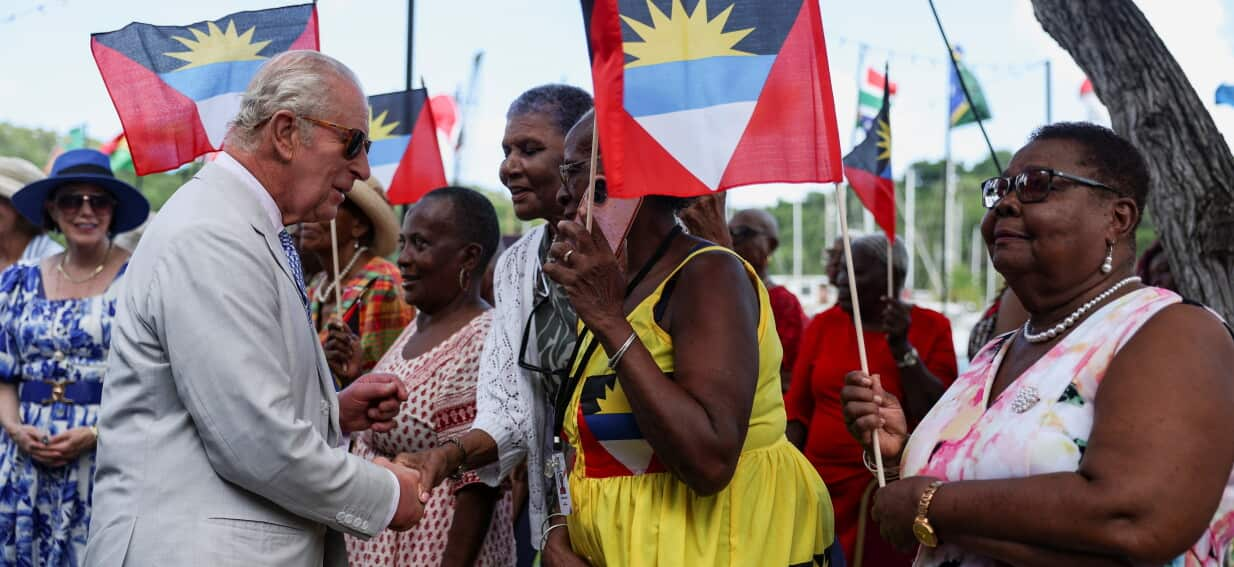
King Charles III has acknowledged transatlantic slavery as a shameful chapter of human history, while stopping short of a formal apology during an address to Commonwealth leaders.
Addressing heads of government, the monarch sought to navigate centuries of colonial trauma by urging member states to find creative ways to correct historical inequalities, framing the future as one anchored in modern partnership rather than perpetual recrimination. History, the King declared, is not "ours to choose or change", but understanding its painful lessons remains vital for genuine progress.
SBS News Top Stories reported that while the sovereign openly conceded the enduring scars inflicted by Britain’s imperial past, his refusal to deliver an unvarnished apology has done little to placate leaders across the Caribbean who have long campaigned for formal atonement and financial restitution.
Balancing historical remorse and royal neutrality
The monarch’s calibrated remarks reflect the delicate constitutional tightrope walked by Buckingham Palace. Bound by the advice of British ministers, the Crown cannot unilaterally issue state apologies or bind the British taxpayer to financial settlements without Whitehall’s explicit consent.
Downing Street has maintained an unyielding stance against paying reparations, insisting that contemporary Britain should look forward rather than untangle the fiscal balance sheets of the eighteenth and nineteenth centuries. The King instead invoked the spirit of mutual respect, suggesting that mature democracies can interrogate their shared origins without dismantling the institutional fraternity that binds the 56-nation bloc.
Yet for many delegates, the absence of the word "sorry" represents a conspicuous moral omission that threatens to undermine the Commonwealth's relevance on the contemporary world stage.
Mounting calls across the Commonwealth for financial redress
Caricom, the political and economic union of Caribbean nations, has intensified its push for reparatory justice in recent years, formulating a comprehensive 10-point plan demanding formal state apologies, debt cancellation, and capital investment in public health and education.
Advocates argue that the vast wealth generated by enslaved labour laid the bedrock of Britain's industrial empire, leaving former colonies structurally impoverished and vulnerable to modern economic shocks. While minor initiatives such as academic exchanges and historical research funds have been proposed, representatives from the Global South maintain that systemic compensation—potentially running into billions of Australian dollars—remains the only authentic measure of contrition.
Shifting republican sentiment across the Caribbean and Australia
The debate over the monarchy’s colonial legacy resonates well beyond the West Indies, feeding into broader geopolitical realignments across the Commonwealth. Several Caribbean nations, following Barbados’s transition to a republic in 2021, have initiated constitutional steps to remove the British sovereign as head of state.
In Australia, the speech arrives amid ongoing domestic reflection over constitutional recognition, truth-telling, and Indigenous sovereignty. While the federal government has deprioritised an immediate republic referendum, the King's cautious diplomacy highlights the growing tension between hereditary institutions and post-colonial nations seeking fully sovereign identities.
As Charles seeks to cement his legacy as head of the Commonwealth, the debate surrounding colonial slavery proves that the past remains an inescapable presence, shaping the diplomatic and economic architecture of the modern British realm.