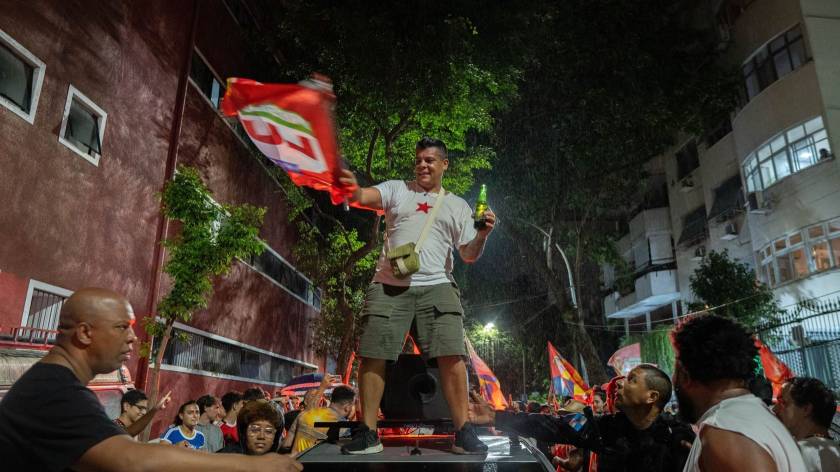
Luiz Inácio Lula da Silva’s remarkable return to Brazil’s presidency marks a historic political resurrection, yet the veteran leftist faces an uphill battle to govern a fiercely fractured nation.
Following one of the most acrimonious campaigns in modern Latin American history, independent outlet Crikey reported that Lula's narrow triumph over far-right incumbent Jair Bolsonaro has been hailed as a political miracle. However, the hard labour of reunifying South America’s largest economy and restoring institutional stability begins amid intense international scrutiny and domestic friction.
A polarising victory on a knife-edge
The electoral margin was razor-thin, exposing deep ideological fissures across Brazilian society. Lula secured the presidency by a sliver over two million votes out of more than 118 million cast, drawing decisive support from low-income communities, the north-east, and voters fatigued by four turbulent years under the Bolsonaro administration.
Yet, Bolsonaro’s conservative coalition retains immense momentum across the agricultural, evangelical, and industrial heartlands of the south and central-west. Crikey noted that the sheer scale of the right-wing vote demonstrates that "Bolsonarismo" remains a potent, entrenched force in Brazilian civic life, with millions refusing to accept the legitimacy of the Workers’ Party leader.
Healing a fractured Congress and populace
Governing will prove vastly more challenging than campaigning. Unlike his previous terms during the commodities boom of the 2000s, Lula inherits an economy weighed down by persistent inflation, mounting sovereign debt, and heightened social deprivation.
Crucially, the conservative bloc made substantial gains in legislative elections, cementing control over both the Chamber of Deputies and the Federal Senate. Lula must build pragmatic alliances with centrist powerbrokers merely to pass fiscal reforms and welfare programmes. Observers warn that parliamentary hostility could easily stall executive decrees, leaving the new administration vulnerable to systemic gridlock or the threat of aggressive impeachment proceedings.
The battle for the Amazon and climate policy
Beyond domestic governance, the outcome carries profound planetary consequences. Under Bolsonaro, deforestation in the Amazon basin surged to 15-year highs as environmental protections were dismantled in favour of agribusiness, logging, and illegal mining.
Lula has pledged a zero-tolerance stance towards illicit land clearing, aiming to restore federal monitoring bodies and re-engage with international conservation funds. For global capitals—including Canberra, where climate diplomacy is receiving renewed emphasis—Brazil's re-emergence as an environmental custodian is viewed with cautious optimism.
Rebuilding international credibility
The transition also tests Brazil’s traditional foreign policy non-alignment. During his initial presidency, Lula championed South-South cooperation while cultivating warm ties with both Washington and Beijing. He now steps back onto the world stage at a time of bitter geopolitical confrontation.
With democratic norms under strain worldwide, Lula's capacity to stabilise Brazilian democracy will serve as an indicator for moderate politics across the Global South. For now, the celebration of an extraordinary comeback gives way to the arduous reality of governing from the political centre of a divided republic.