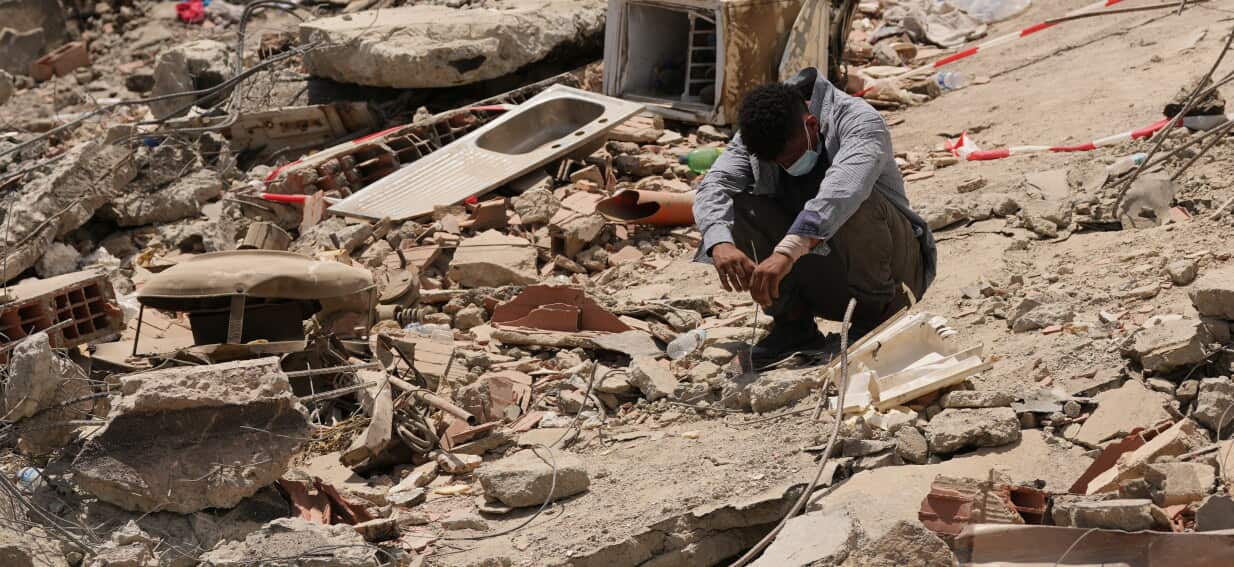
A growing humanitarian crisis is unfolding as Malawian nationals, once drawn by the promise of economic opportunity, are being repatriated from South Africa, their hopes and livelihoods shattered by a surge in xenophobic violence and widespread unrest. The scenes of despair, as recounted by Al Jazeera, highlight the brutal realities faced by those seeking prosperity across borders.
Exodus from a Fading Promise
For decades, South Africa has been a beacon for economic migrants from across the continent, including Malawi, offering the allure of better job prospects and a chance at upward mobility. However, that promise has increasingly turned perilous. The recent wave of repatriations signifies a tragic reversal, with countless individuals returning home not with riches, but with stories of fear, discrimination, and violence. Many arrive back in Malawi with little more than the clothes on their backs, their hard-earned savings lost or stolen, and dreams of supporting families back home utterly crushed. The sentiment, “If I am to die, let it be here,” quoted by Al Jazeera, starkly encapsulates the desperation driving some to remain despite the palpable threat.
The Scars of Xenophobia
The undercurrent of xenophobia in South Africa has long been a concern, sporadically erupting into violent attacks against foreign nationals. These recent incidents, however, appear to have reached a critical point, forcing many to choose between enduring relentless prejudice and returning to the economic uncertainties of their homeland. Aid organisations on the ground report an increase in targeted attacks on migrant-owned businesses and homes, leading to significant financial losses and, tragically, loss of life. These acts of violence are not isolated incidents but rather symptoms of deeper socio-economic frustrations, often misdirected towards vulnerable migrant communities, who are scapegoated for dwindling job opportunities and strained public services. The psychological toll on those who have endured such hostility is immeasurable, leaving lasting scars long after their return.
Repatriation Challenges and Future Uncertainties
The logistical and financial burden of repatriating hundreds of citizens falls heavily on Malawian authorities and international aid agencies. Buses chartered for the journey back are often overcrowded, with passengers carrying what little they could salvage. Upon arrival in Malawi, the challenges continue. Many returnees have been away for years, some for decades, and re-integrating into a society that offers limited economic prospects is a daunting task. The Malawian government, already grappling with its own development challenges, faces the immense task of providing support, counselling, and opportunities for these returning citizens. The loss of remittances, which previously provided a vital lifeline for many Malawian families, will also have a significant broader economic impact, potentially exacerbating poverty and unemployment in the long term. The story of these Malawian returnees is a powerful reminder of the global interconnectedness of economic hardship and social unrest, and the profound human cost borne by those caught in the crossfire of shifting geopolitical and economic landscapes.