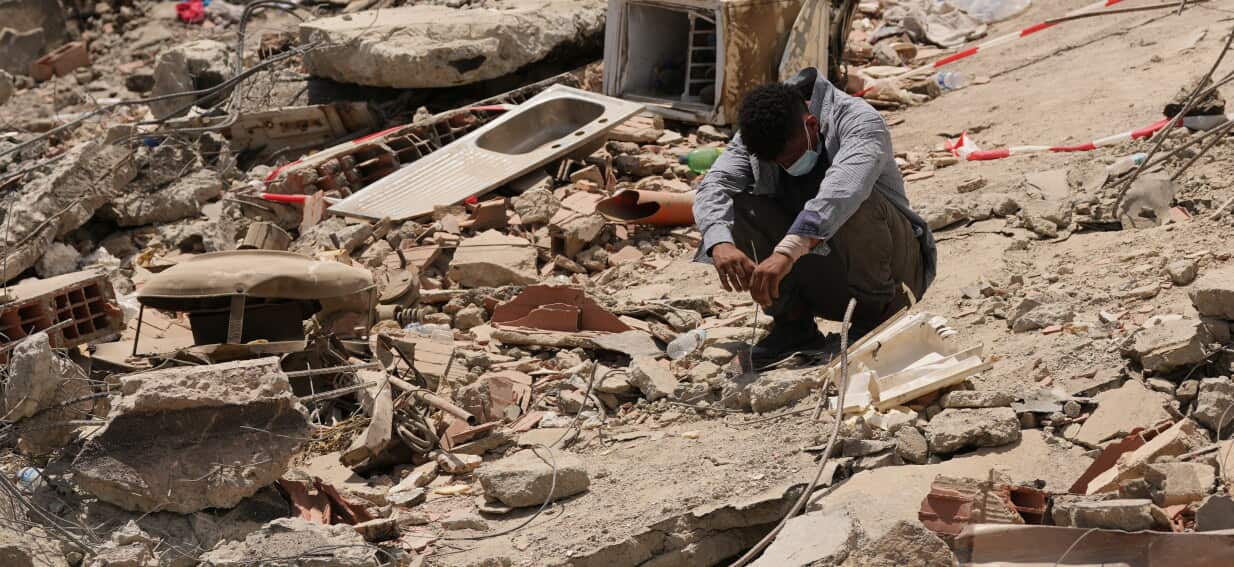
South Africa is currently grappling with a burgeoning humanitarian crisis as an estimated thousands of undocumented migrants are reportedly fleeing the nation, driven by a surge in anti-immigrant sentiment and a wave of often-violent protests. The hasty departures, predominantly towards neighbouring countries, underscore a deep-seated fear among these communities, who increasingly view South Africa not as a haven, but as a hostile environment.
Al Jazeera, reporting from the ground, has painted a stark picture of the exodus, detailing long queues at border crossings and a palpable sense of urgency among those trying to leave. Many are said to be abandoning their livelihoods and possessions, taking only what they can carry as they seek refuge elsewhere. This sudden displacement highlights the precarious existence of undocumented individuals in South Africa, a nation struggling with high unemployment and economic inequality, issues that are often, and unfairly, scapegoated onto migrant communities.
The Brewing Storm: Seeds of Discontent
For months, South Africa has witnessed an alarming rise in anti-immigrant sentiment, often fuelled by organisations and political factions that blame foreign nationals for the country's socio-economic woes. These groups argue that undocumented migrants are taking jobs from South African citizens, straining public services, and contributing to crime. While these claims are largely unsubstantiated by comprehensive data, they have resonated with segments of the population, leading to an increasing number of demonstrations and, at times, violent confrontations.
The protests, often characterised by xenophobic rhetoric, have escalated in recent weeks, creating an atmosphere of fear and vulnerability for migrant communities. Al Jazeera reported incidents of intimidation, harassment, and property destruction targeting shops and homes believed to be owned or occupied by foreign nationals. This escalating tension has forced many to make the agonising decision to leave the country they once called home, often with little to no preparation or resources.
Australia Watches: A Global Precedent
The unfolding crisis in South Africa offers compelling parallels and cautionary tales for other nations grappling with complex migration issues, including Australia. While the contexts differ significantly, the underlying dynamics of economic strain, social tensions, and the politicisation of migration are universal. Australia, with its own history of robust debate around immigration policies and border control, observes such events with keen interest, reinforcing the need for nuanced approaches that balance national security with humanitarian obligations and economic realities.
Desperate Journeys, Uncertain Futures
The journey for these fleeing migrants is fraught with peril. Many are travelling on foot, with limited access to food, water, or medical assistance. The precise number of individuals departing is difficult to ascertain, given the undocumented nature of their previous residency, but estimates from aid organisations suggest it could be in the tens of thousands. Their destinations are primarily neighbouring countries like Zimbabwe, Mozambique, and Eswatini, nations that themselves often face economic challenges and may struggle to absorb such a sudden influx of people.
The international community is beginning to take notice, with calls from various human rights organisations for the South African government to protect all residents, regardless of their documentation status, and to address the root causes of xenophobia. The financial implications for these migrants are devastating; many have left behind businesses, savings, and opportunities, opting instead for an uncertain future in a bid to find safety. The potential for a wider regional humanitarian crisis is a serious concern, as these countries face the challenge of providing aid and integration prospects for the new arrivals. The cost of this mass displacement, both human and economic, is expected to be substantial, with aid agencies estimating millions of Australian dollars will be needed for immediate relief efforts alone.