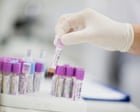
One of Queensland’s largest healthcare operators will permanently shut its in-house pathology services across two major hospitals, displacing roughly 400 workers amid an active investigation into hazardous formaldehyde exposure.
The decision by Mater Health to cease internal diagnostic operations across its flagship South Brisbane campus and Springfield facility marks a significant retreat for the not-for-profit institution, following years of mounting financial pressure on hospital-run laboratory networks.
The Guardian Australia reported that management informed personnel of the impending closure, which will see public and private clinical testing phased out and outsourced to external laboratory providers over the coming months.
Safety regulator investigates chemical exposure
The sudden shuttering comes as workplace health authorities scrutinise operational protocols within the hospital network's testing facilities, particularly surrounding potential staff exposure to formaldehyde.
Formaldehyde, a toxic chemical compound routinely used as a preservative in anatomical pathology to fix tissue specimens, is classified as a known human carcinogen and respiratory irritant under national workplace safety standards. Prolonged or unmitigated exposure can cause acute respiratory distress, severe allergic reactions, and heightened risks of myeloid leukaemia and nasopharyngeal cancer.
While Mater has not publicly disclosed the full findings of its internal review, the safety inquiry prompted regulatory scrutiny regarding ventilation, protective equipment, and containment protocols in areas where preserved tissue samples were dissected and prepared.
Critical perinatal diagnostic services disrupted
Compounding clinical concern is the confirmation that the closure encompasses the specialised laboratory responsible for complex perinatal and paediatric pathology.
The unit conducts critical foetal and neonatal tissue examinations, providing essential diagnostic analysis following miscarriages, stillbirths, and unexplained infant deaths across south-east Queensland. Medical specialists rely heavily on these post-mortem tissue analyses to establish causes of death, inform genetic counselling, and guide future pregnancies for bereaved families.
Clinical practitioners have voiced apprehension over whether commercial private providers will be capable of matching the clinical depth, turnaround times, and dedicated expertise historically maintained by Mater’s specialist public-facing team.
Commercial headwinds force operational retreat
Beyond immediate workplace safety issues, hospital executives pointed to the protracted financial unviability of operating an independent, hospital-based pathology arm in a sector increasingly dominated by heavily consolidated commercial operators.
Public and private healthcare institutions nationwide face structural deficits driven by inflation in laboratory consumables, capital equipment replacement costs, and Medicare rebate structures that favour high-volume commercial diagnostic conglomerates over hospital-based specialist labs.
Mater’s pathology division had struggled for years to maintain commercial viability against these broader market conditions, prompting the network's governing board to conclude that maintaining internal laboratory infrastructure was no longer economically sustainable.
Uncertainty clouds future for 400 hospital workers
Roughly 400 medical scientists, laboratory technicians, phlebotomists, and administrative personnel now face an uncertain future as consultations between management and healthcare unions commence.
Union representatives are seeking urgent briefings with hospital leadership to determine redeployment opportunities within the broader health network, alongside redundancy arrangements and protections for affected employees.
Mater is expected to finalise commercial arrangements with major third-party pathology groups to ensure acute inpatient diagnostic testing continues without disruption during the transitional phase.