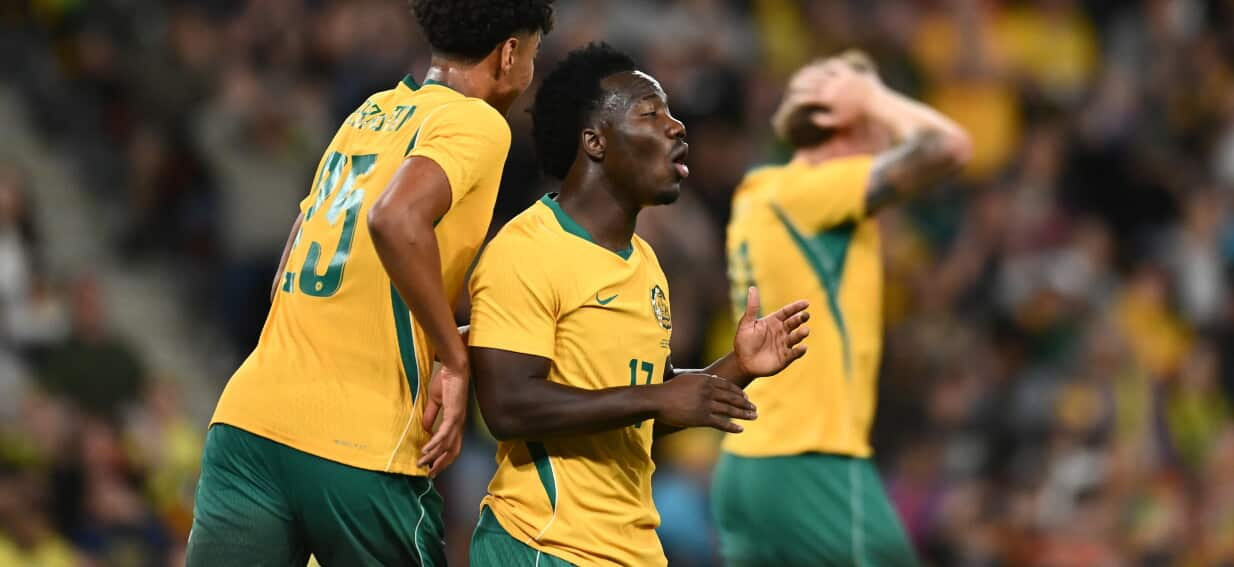
The Socceroos’ continental championship aspirations have been abruptly put on hold after football authorities postponed the upcoming Asian Cup in Saudi Arabia by 11 months, citing escalating Middle Eastern conflict.
SBS News Top Stories reported that Australia’s campaign in the marquee continental tournament has now been deferred until late next year, forcing Football Australia to dramatically recalibrate its international schedule and high-performance strategy.
Geopolitical turmoil disrupts Gulf tournament
The decision to shelve the tournament follows weeks of heightened diplomatic concern and military friction across the Middle East, which has increasingly threatened regional civil aviation corridors and logistical supply chains.
While Saudi Arabia has poured billions into sports infrastructure and modern stadium development, the prospect of welcoming dozens of national squads, technical delegations, and thousands of international supporters amid active hostilities proved insurmountable for regional governing bodies. Security advisers and tournament officials deemed the risk environment far too volatile to stage a multi-week event safely in the Gulf kingdom under the original timetable.
Fixture gridlock faces Australian football
For the green and gold, the 11-month postponement presents an immediate operational conundrum. The national team now faces a heavily congested international calendar, with the rescheduled Asian Cup set to run in uncomfortably close proximity to critical stages of the 2026 FIFA World Cup qualification pathway.
Football Australia will have to manage delicate negotiations with domestic A-League Men outfits and European clubs, who are already expressing acute fatigue over congested FIFA windows. Shifting a major tournament to the final months of the year disrupts long-standing preparation cycles, meaning national coaching staff will need to completely overhaul player conditioning programmes and travel itineraries over the next twelve months.
Riyadh’s sporting showcase encounters reality check
The postponement marks an awkward logistical pause for Saudi Arabia, which has positioned major sporting events at the heart of its sovereign modernisation drive and international diplomacy.
Hosting the Asian Cup was viewed as an essential operational dry run for the Gulf state ahead of its staging of the 2034 FIFA World Cup. Pushing the event back reflects the persistent reality that multi-billion-dollar sports projects remain inherently vulnerable to regional security crises, where cross-border transport links and airspace security can deteriorate with little warning.
Roster transitions and the long road ahead
From a playing perspective, an 11-month hiatus fundamentally alters the competitive prospects of several Socceroos squad members. Seasoned senior figures who had marked the tournament as an intended international swansong must now confront the physical toll of extending their national team commitments for nearly an extra year.
Conversely, the prolonged delay opens an unexpected pathway for emerging domestic talent and fringe players to push into senior contention. Selectors are now likely to view the forthcoming international windows as an extended audition period, giving younger prospects an unexpected opportunity to establish their credentials before the tournament finally kicks off.