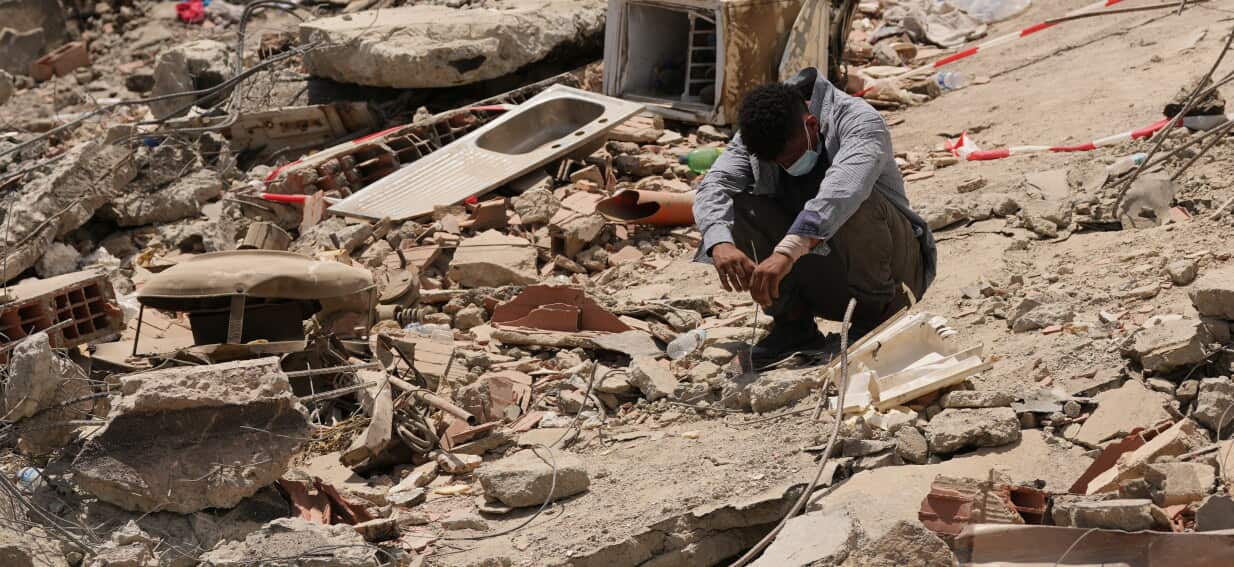
Ongoing hostilities in the Middle East have escalated following a series of Israeli military operations in Syria's southern regions, leading to significant displacement and prompting a stern rebuke from Ankara.
The recent assaults, detailed by Al Jazeera, have reportedly targeted key areas within Syria, particularly in its southern provinces, causing widespread panic and forcing residents to flee their homes in search of safety. The full extent of casualties and infrastructural damage remains fluid, but initial reports suggest a dire situation for the affected populations.
Families Flee Amidst Renewed Offensive
Witnesses on the ground, as reported by Al Jazeera, described scenes of chaos and desperation as families, including women and children, gathered what little they could carry before escaping the bombardments. Many are now seeking refuge in overcrowded temporary shelters or with relatives in less affected areas, facing an uncertain future compounded by ongoing regional instability. Humanitarian organisations are reportedly bracing for an increased demand for aid as the displaced population grows. The constant threat of further military action looms large over communities in southern Syria, making it difficult for aid agencies to establish stable supply lines and provide consistent support.
Turkiye Slams Actions as International Law Breach
In a swift and strong reaction, Turkiye has vehemently condemned Israel's latest military actions in Syria, labelling them a flagrant violation of international law. A spokesperson for the Turkish Foreign Ministry, addressing reporters in Ankara, expressed deep concern over the escalating violence, stating that such operations undermine regional stability and further jeopardise the already fragile peace process. "These attacks are not only a breach of Syria's sovereignty but also a dangerous escalation that goes against the principles of international law," the spokesperson asserted, urging the international community to take immediate action to de-escalate the situation and prevent further loss of innocent lives. The condemnation from Ankara underscores the growing regional tensions and the complex web of alliances and antagonisms that define the contemporary Middle East.
Broader Regional Ramifications
The Israeli strikes in Syria are not isolated incidents but rather part of a broader, long-standing conflict dynamics in the region. Israel has repeatedly stated its commitment to preventing Iran from establishing a permanent military presence in Syria or transferring advanced weaponry to proxy groups. These operations are often framed by Israeli officials as defensive measures aimed at safeguarding national security interests. However, from the perspective of many Arab nations and international observers, such actions are seen as escalatory and a direct challenge to Syrian sovereignty. The continuous cycle of strikes and counter-strikes risks drawing in other regional and international actors, further destabilising an already volatile geopolitical landscape. The economic impact on already struggling nations like Syria is also significant; vital infrastructure and trade routes are frequently disrupted, hindering recovery efforts and exacerbating humanitarian crises. The Australian Government has not yet issued a formal statement on the matter, but observers in Canberra will be closely monitoring developments, aware of the potential for broader implications on global security and trade relations.
Calls for De-escalation and Diplomacy
As the situation in southern Syria remains tense, international calls for de-escalation and a return to diplomatic solutions are intensifying. Various world leaders and organisations have urged all parties involved to exercise restraint and prioritise civilian protection. The United Nations has consistently advocated for a political resolution to the Syrian conflict, warning that military interventions only prolong suffering and exacerbate humanitarian needs. The latest Israeli operations serve as a stark reminder of the urgent need for a comprehensive and inclusive peace process that addresses the root causes of instability and paves the way for a lasting resolution in the war-torn nation. The cost of continued conflict, both in human lives and financial terms – potentially reaching into the tens of millions of Australian dollars in aid alone – is an unsustainable burden on the international community.