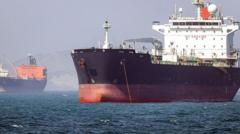
Indirect talks aimed at averting further regional escalation and potentially reopening the crucial Strait of Hormuz are reportedly continuing, offering a glimmer of hope amidst persistent geopolitical anxieties. The negotiations, confirmed by Qatar's Foreign Ministry spokesman Dr. Majed al-Ansari, highlight ongoing diplomatic efforts to stabilise a region fraught with flashpoints.
The Strait of Hormuz, a narrow choke point between the Persian Gulf and the open ocean, is one of the world's most critical maritime passages for oil and liquefied natural gas (LNG) shipments. Its potential closure or disruption has long been a major concern for global economies, including Australia, due to its direct impact on energy prices and international trade routes. Al Jazeera reported Dr. al-Ansari's comments, underscoring the high stakes involved in these quiet diplomatic overtures.
Geopolitical Chessboard and Energy Lifelines
The ongoing discussions unfold against a backdrop of heightened regional tensions, which have seen a series of maritime incidents and proxy conflicts in recent years. The prospect of these tensions spilling over into the Strait of Hormuz has consistently sent shivers through global markets, given that approximately 20% of the world's petroleum liquids and a significant portion of its LNG pass through its waters daily. For Australia, a net energy importer in some sectors and reliant on stable global trade, any disruption could have ripple effects on petrol pump prices and the broader economy.
Energy analysts in Sydney suggest that even the rumour of talks can offer some respite to volatile oil futures. "While the direct impact on Australia's domestic fuel supply might be mitigated by diversified sources, any significant disruption to Hormuz would undoubtedly push up global prices, translating to higher costs for Australian consumers and businesses," noted one analyst from a major financial institution, speaking on background due to the sensitivity of energy markets.
Canberra's Watchful Eye on Regional Stability
Australia's Department of Foreign Affairs and Trade (DFAT) has consistently emphasised the importance of freedom of navigation and maritime security in the Middle East. While Canberra has not directly commented on these specific indirect talks, the general sentiment within official circles is one of support for any diplomatic initiative that promotes stability and de-escalation in the region. The security of sea lanes is paramount for Australia's trade interests, with significant volumes of goods transiting through or near the potentially affected areas.
The Australian government has long advocated for a rules-based international order, and efforts to resolve disputes through dialogue rather than confrontation align with its foreign policy objectives. The continuation of these indirect talks, even if slow-moving, suggests a preference for diplomatic solutions over military escalation, a position that would be broadly welcomed in Canberra.
The Path Ahead: A Diplomatic Tightrope
Dr. al-Ansari's statement, as reported by Al Jazeera, indicates the complexity of the current diplomatic landscape. Indirect talks typically involve intermediaries and a careful balancing act to avoid direct confrontation while seeking common ground. The Qatari foreign ministry spokesman did not elaborate on the specific parties involved in these discussions, but regional observers point to several key players whose engagement would be crucial for any meaningful breakthrough.
While the prospect of reopening the Strait of Hormuz might imply a prior closure or significant impediment, the ongoing nature of the talks suggests a proactive effort to prevent such a scenario from materialising. This pre-emptive diplomacy aims to cement understandings and commitments that would ensure the free flow of maritime traffic, providing greater certainty for international shipping and global energy markets. The success of these delicate negotiations could pave the way for broader de-escalation efforts, bringing a much-needed period of calm to a perennially volatile region. Australian households and businesses will be hoping for a positive outcome, given the potential flow-on effects to their bottom line.