CEUTA, SPAIN – In a dramatic escalation of an ongoing migratory challenge, the Spanish territory of Ceuta, nestled on the North African coast, has been inundated by an estimated 49,000 migrants in an unprecedented two-day period. The sheer volume of arrivals has sparked a humanitarian emergency, stretching local resources to breaking point and prompting a swift military deployment from Madrid.
Unprecedented Surge Overwhelms Defences
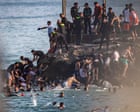
The vast majority of the arrivals reportedly occurred on Thursday and Friday, with thousands attempting to cross the heavily fortified border with Morocco by sea and land. Many migrants, including entire families and a significant number of unaccompanied minors, swam around the border fences or clambered over them, driven by desperation and what some observers describe as relaxed border enforcement from the Moroccan side. BBC World reported the extraordinary figures, highlighting the immediate and severe impact on the small Spanish city.
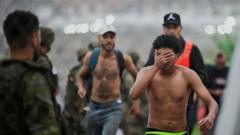
Eyewitnesses described chaotic scenes as individuals, some carrying young children on their backs, navigated the treacherous waters and rocky coastline. Spanish authorities, initially caught off guard by the scale of the influx, deployed soldiers to assist border guards in managing the entry points and providing initial aid. The military's presence marked a significant escalation, underscoring the gravity of the situation as the enclave struggled to cope with the sheer number of people needing assistance, shelter, and medical care.
Humanitarian Crisis Unfolds on European Soil
The sudden onslaught has created immediate and pressing humanitarian concerns. Makeshift processing centres have been established, but the infrastructure is severely strained. Aid organisations are scrambling to provide food, water, and emergency accommodation, particularly for the vulnerable children who make up a substantial portion of the new arrivals. Many migrants arrived wet, cold, and exhausted, some requiring immediate medical attention for hypothermia or minor injuries sustained during their perilous journeys.
Local charities and volunteers have mobilised, offering what support they can, but the long-term implications for Ceuta, a city of approximately 85,000 residents, are profound. The economic strain from providing for tens of thousands of people, even temporarily, is immense. Australian taxpayers might consider the cost if such an event occurred at Christmas Island, for example, easily running into tens of millions of dollars for emergency services and provisions in mere days.
Diplomatic Tensions and Future Implications
Beyond the immediate humanitarian crisis, the mass border crossing has ignited significant diplomatic tensions between Spain and Morocco. Spanish officials have hinted at a deliberate loosening of Moroccan border controls, potentially as a retaliatory measure following Spain's decision to offer medical treatment to the leader of the Western Sahara independence movement, Brahim Ghali. Morocco views Western Sahara as its sovereign territory, and Ghali's presence in Spain has been a contentious issue.
This incident is a stark reminder of the complex interplay between geopolitics, migration, and human rights. The European Union has expressed solidarity with Spain, with leaders calling for a coordinated response to manage the situation and address its root causes. The influx into Ceuta underscores the ongoing migratory pressures on Europe's southern borders and raises questions about border security, regional stability, and the responsibility of neighbouring nations in managing these flows. The coming weeks will likely see intense diplomatic activity aimed at de-escalating tensions and finding a sustainable solution for those now stranded in Ceuta.