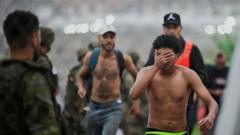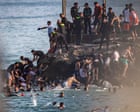
Amidst scenes of desperation and chaos, the Spanish North African enclave of Ceuta has been overwhelmed by an extraordinary influx of approximately 49,000 migrants from Morocco, leading to at least 18 confirmed deaths. The tiny territory, now grappling with a severe humanitarian crisis, has become a focal point of international concern as Spain deploys military and police reinforcements to manage the unprecedented breach.
The mass migration, which saw individuals traverse both land and sea borders, has left thousands sleeping rough in parks and on the streets of Ceuta. Spanish Prime Minister Pedro Sánchez is scheduled to visit the enclave on Friday morning, accompanied by Interior Minister Fernando Grande-Marlaska, to assess the escalating situation firsthand.
Unprecedented Border Breach
Reuters World reported that the sheer volume of people crossing into Ceuta over recent days has pushed the enclave's resources to breaking point. Many of the migrants, including a significant number of unaccompanied minors, attempted to swim around the border fences, with tragic consequences. Medical personnel and aid organisations are struggling to cope with the injured and those suffering from exhaustion and hypothermia.
Eyewitness accounts detail harrowing scenes of individuals being pulled from the water, while others were caught in dangerous crushes as they attempted to navigate the entry points. The scale of the movement is unlike anything seen in the region for decades, raising serious questions about border security and the underlying pressures driving such mass migration.
Humanitarian Crisis Deepens
With thousands now sheltering wherever they can find space, concerns are mounting about sanitation, access to food and water, and the overall well-being of the new arrivals. Local aid groups, already stretched thin, are calling for urgent international assistance to prevent a further deterioration of the situation. The Spanish government has indicated that it is working to repatriate those who have crossed illegally, though the sheer numbers present a significant logistical challenge.
Many of the migrants are understood to be from sub-Saharan Africa, with others believed to be Moroccan nationals seeking better economic opportunities in Europe. The economic fallout from the COVID-19 pandemic in Morocco is thought to be a significant contributing factor to the sudden surge.
Spain's Urgent Response
In response to the overwhelming numbers, Spain has rapidly deployed significant additional military and police personnel to Ceuta. The immediate priority is to secure the border and provide assistance to those in distress. Prime Minister Sánchez's visit underscores the gravity with which Madrid views the situation, indicating a high-level commitment to addressing both the immediate humanitarian needs and the broader implications for Spain's borders. The European Union has also been quick to offer support, recognising the wider implications for European border security.
Regional Tensions at Play
The timing and scale of the migration wave have also sparked speculation regarding geopolitical tensions between Spain and Morocco. Relations have been strained recently over a diplomatic dispute concerning the Western Sahara region. Analysts suggest that the sudden relaxation of Moroccan border controls, allowing such a large number of people to cross, could be interpreted as a form of pressure on Spain. Both nations are key partners in managing migration flows across the Strait of Gibraltar, and this incident threatens to destabilise their already delicate relationship. The long-term implications for regional stability in North Africa and southern Europe remain uncertain.