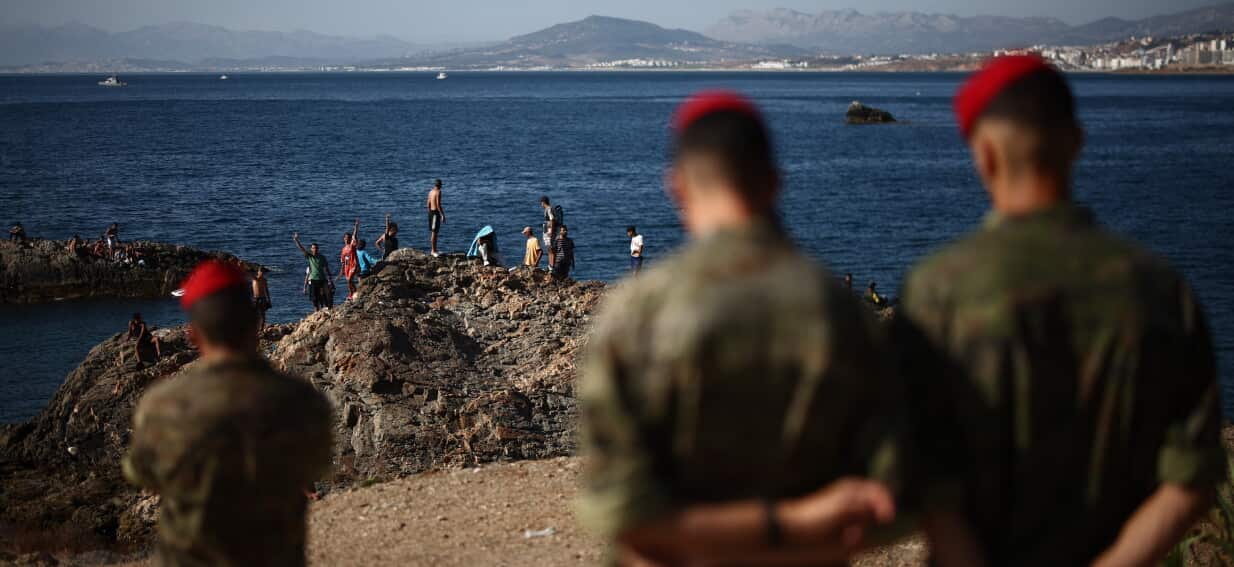
European nations are grappling with a burgeoning crisis after an unprecedented surge of an estimated 60,000 migrants poured into Spain's North African territory of Ceuta, sparking widespread alarm and igniting fervent debate within the European Union. The sudden and overwhelming movement of people, many swimming or clambering over border fences, has exposed deep fissures in the bloc's approach to migration and reignited concerns about border security and humanitarian aid.
Border Breached, Tensions Escalating
The chaotic scenes in Ceuta, a Spanish city bordering Morocco, have been described by Spanish authorities as an unprecedented challenge. Thousands of individuals, including a significant number of unaccompanied minors, managed to cross into the enclave over recent days. The sheer scale of the influx has overwhelmed local resources and prompted a swift, if controversial, response from Madrid, which has deployed military personnel to assist border police. While many have since been returned to Morocco, the humanitarian implications of such a rapid and large-scale movement of people are profound, raising urgent questions about asylum processes and the welfare of vulnerable individuals.
SBS News Top Stories reported that the incident has triggered intense diplomatic friction between Spain and Morocco, with allegations of relaxed border controls from the Moroccan side contributing to the surge. This diplomatic spat further complicates an already delicate situation, as both nations are critical partners in managing migration flows across the Strait of Gibraltar. The long-standing complexities of this shared border, often a flashpoint for irregular migration attempts, have been thrust back into the global spotlight with renewed urgency.
EU Scrambles for Cohesion
Inside the hallowed halls of Brussels, the migrant surge has predictably sent shockwaves, forcing European Union member states into heated discussions. The incident underscores the perennial challenge of developing a unified and effective migration policy across the 27-nation bloc. While some member states have expressed solidarity with Spain and offered assistance, others have voiced concerns about the potential for similar events at their own borders, and the financial burden associated with accommodating such large numbers of people. The ongoing debate over burden-sharing and responsibility, a hallmark of past European migration crises, has resurfaced with renewed vigour. The cost of managing such an influx, including aid, processing, and potential integration, is estimated to run into many millions of Euros, with some analysts suggesting it could easily exceed AUD$100 million for Spain alone in the immediate aftermath.
Australian Broad Implications
While geographically distant, the events unfolding in Ceuta carry significant implications for Australia. As a nation with its own complex history of migration and border control, the challenges faced by Spain resonate on several levels. The balancing act between humanitarian obligations and national security, the management of irregular arrivals, and the diplomatic intricacies of international border agreements are all familiar themes in the Australian context. The European experience serves as a stark reminder of the global nature of migration pressures and the constant need for robust, yet compassionate, policies.
The international community will be closely watching how the European Union navigates this latest crisis. The outcomes of these tense discussions and the long-term response from both Spain and the EU will undoubtedly set precedents and offer lessons for other nations grappling with similar migratory challenges. The events in Ceuta are a powerful illustration that the global movement of people remains one of the most pressing and multifaceted issues of our time, demanding cooperative and nuanced solutions.