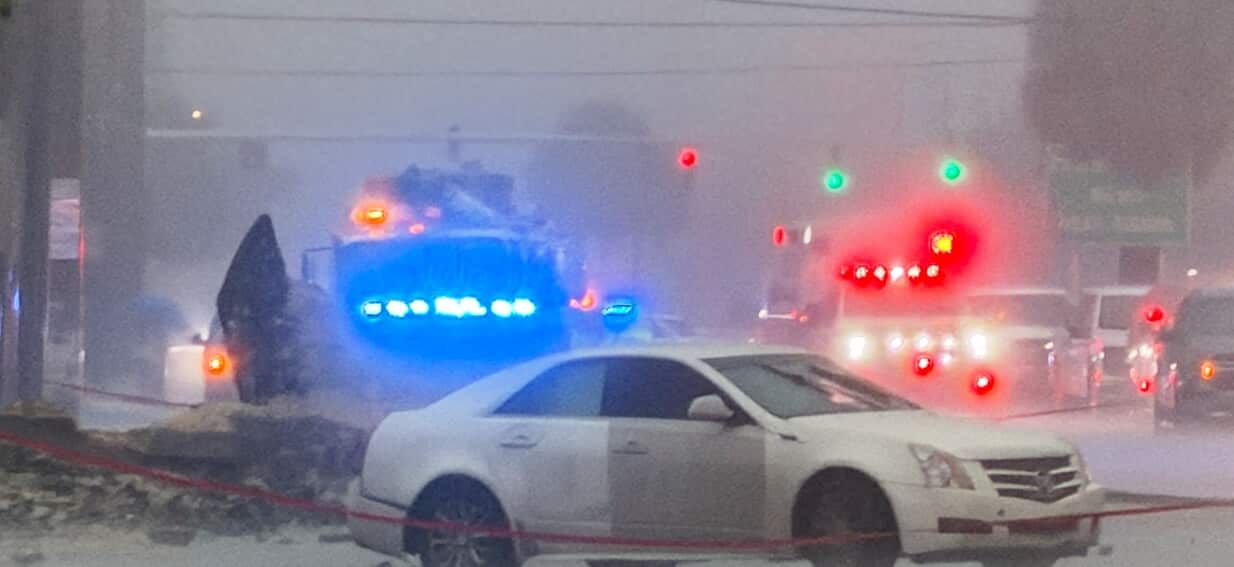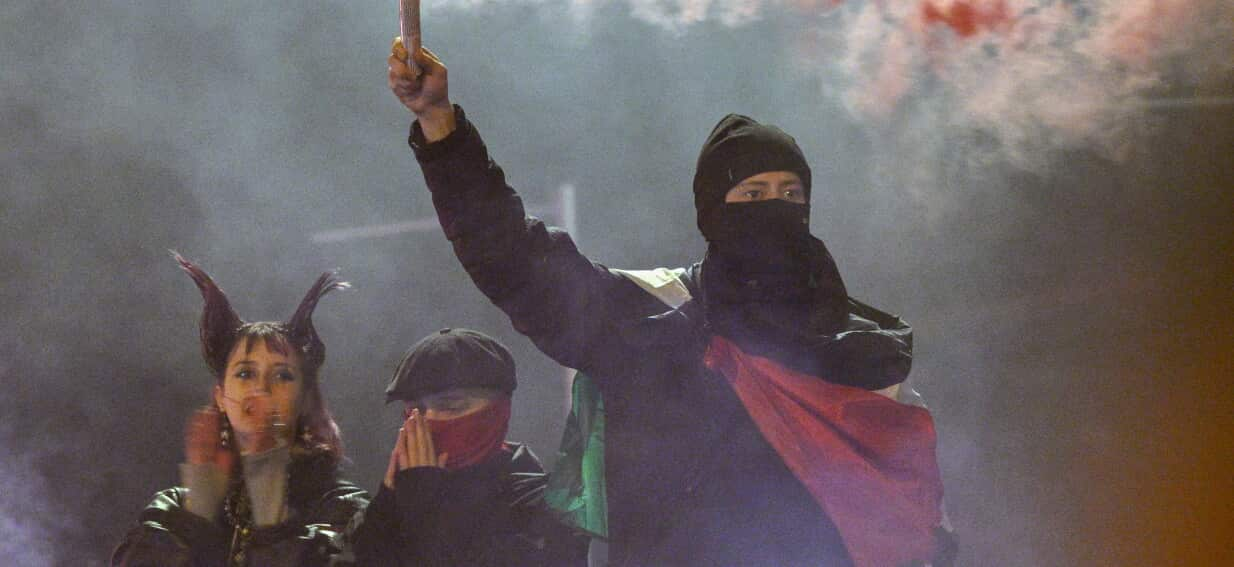
More than 100 German police officers have been injured after youth-led demonstrations degenerated into violent street clashes, prompting authorities to warn that offenders throwing petrol bombs will face severe legal retribution.
The unrest, which erupted overnight across major urban centres, saw frontline security personnel confronted by coordinated waves of younger demonstrators armed with incendiary devices, pyrotechnics, and makeshift projectiles. German federal and state law enforcement agencies reported widespread property damage and chaos, with emergency service vehicles torched and retail precincts vandalised in what has been characterised as one of the most volatile confrontations between youth cohorts and police in recent years.
Petrol bombs target frontline officers
SBS News Top Stories reported that officers sustained burns, fractures, and smoke inhalation after being subjected to targeted assaults involving petrol bombs and commercial-grade fireworks. Tactical units deployed water cannon and tear gas in an effort to disperse the crowds, yet skirmishes persisted across several volatile hours before calm was restored in the early morning.
Hospital authorities treated dozens of wounded officers, with several remaining under medical supervision for significant blast injuries and severe burns. Eyewitness accounts and police reports indicate that while earlier gatherings were organised around socio-political grievances, radicalised splinters rapidly shifted the atmosphere into coordinated urban conflict.
Interior ministry signals unyielding crackdown
In the wake of the violence, the German Interior Minister issued an unequivocal condemnation, declaring that rioters responsible for endangering emergency workers would face the most severe legal penalties available under German law. The federal government emphasised that targeting law enforcement with lethal weapons crossed an impermissible line, pledging comprehensive investigations to identify and prosecute ringleaders.
Judicial authorities are preparing expedited court appearances for those arrested during the street battles, with prosecutors examining charges ranging from breach of the peace and aggravated assault to attempted arson and endangerment of life. Federal officials noted that intelligence services and digital forensics units are scouring social media platforms to determine how the mobilisations were orchestrated among Gen Z networks.
European capitals grapple with surging youth dissent
The escalation in Germany mirrors broader disquiet across western Europe, where generationally driven agitation has increasingly turned confrontational. Mounting anxiety over living standards, environmental policy, housing affordability, and international conflicts has fuelled profound alienation among younger demographics, leading to friction with traditional state institutions.
Sociological researchers note that digital connectivity enables youth movements to assemble, shift locations, and outmanoeuvre conventional policing lines with unprecedented speed. When combined with populist anger, these flashpoint mobilisations carry significant risks of combustibility, challenging traditional crowd-control strategies developed for conventional industrial or political protests.
Mounting costs and police union alarm
The scale of devastation has drawn sharp responses from police representative bodies, who warned that frontline personnel are increasingly exposed to extreme violence without adequate legislative protections. Union officials stated that morale among officers has been sorely tested by the intensity of recent confrontations, calling for an urgent review of crowd-management operational doctrine.
Municipal authorities estimate the preliminary physical damage to public infrastructure, street furniture, and commercial shopfronts will run into several millions of euros — equivalent to tens of millions of Australian dollars. Local businesses in the affected quarters have begun boarding up premises amid fears that lingering resentment could spark fresh unrest in coming days.