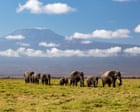
Nairobi: A grim cloud has fallen over Kenya’s famed Amboseli National Park, as authorities grapple with the unexplained deaths of 15 elephants over the past month. The Kenya Wildlife Service (KWS) has launched an urgent investigation into the alarming mortality rate, with early indications suggesting a possible toxic substance may be responsible.
The widespread deaths have sent shockwaves through the global conservation community, particularly given Amboseli’s status as a vital sanctuary for these majestic creatures, renowned for its large elephant herds that roam beneath the towering peaks of Mount Kilimanjaro.
Unsettling Clues Emerge
Reuters World reported that amongst the 15 fatalities, a particularly concerning pattern emerged in 10 of the cases. These elephants displayed unsettling signs of partial paralysis before succumbing within a two-day period, according to KWS officials. This rapid onset of symptoms and subsequent death has raised serious questions about the nature of the culprit.
Veterinary teams mobilised by the KWS are meticulously examining carcasses and conducting necropsies to pinpoint the exact cause. While a definitive conclusion is yet to be reached, the consistent neurological symptoms observed in a significant portion of the deceased animals strongly suggest an external agent rather than natural causes or opportunistic predation.
A Broader Context of Elephant Conservation
The Ambolesi deaths come at a time when elephant populations across Africa face myriad threats, from rampant poaching for ivory to habitat loss and human-wildlife conflict. While poaching remains a perennial concern, the circumstances surrounding these particular deaths do not immediately align with typical poaching incidents, which often involve the removal of tusks. The focus on a potential toxic substance shifts the investigation towards environmental factors, accidental poisoning, or even deliberate contamination, though officials have not publicly speculated on motives.
Australia has long been a vocal advocate for international wildlife conservation efforts, with various Australian non-government organisations contributing millions of dollars annually to African conservation programs. The news from Amboseli will undoubtedly resonate with Australian donors and wildlife enthusiasts who champion the protection of these iconic species.
The Race to Uncover the Truth
The KWS is working closely with national and international environmental forensic experts to expedite the investigation. Samples from the deceased elephants have been collected and sent to specialised laboratories for comprehensive toxicological analysis. The results of these tests will be crucial in determining whether the elephants ingested contaminated foliage, water, or were exposed to any other harmful agent. Understanding the cause is paramount not only to prevent further deaths in Amboseli but also to inform broader conservation strategies across the continent.
Past incidents of mass wildlife deaths in Africa have sometimes been linked to outbreaks of diseases, environmental pollutants from industrial activities, or even agricultural chemicals. However, without concrete evidence, officials are urging caution against premature conclusions. The global spotlight is now firmly on Amboseli National Park as the world awaits answers to this tragic and perplexing case.