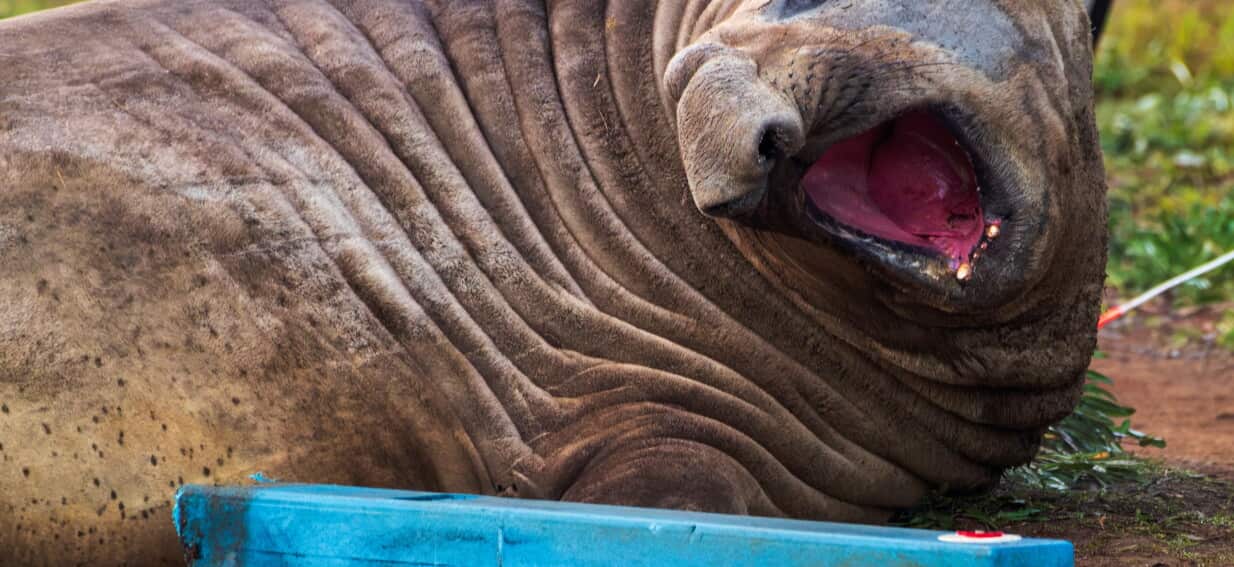
Hobart, TAS – Neil the elephant seal, the portly pinniped who became a global social media sensation for his endearing antics and curious penchant for toppling traffic bollards, has finally returned to the open ocean for another year. However, his departure leaves Tasmanian authorities to tally a surprising cost beyond mere property damage: a substantial hit to council coffers.
Neil, estimated to be a juvenile male southern elephant seal weighing approximately 600kg, rapidly rose to fame earlier this year. Videos of him nonchalantly dismantling street infrastructure, particularly traffic bollards and garden beds, went viral, garnering millions of views and solidifying his status as an unlikely internet star. While his public appearances were met with widespread amusement, the ongoing saga has presented a unique challenge for local government.
A Costly Celebrity Status
The full financial impact of Neil's celebrity on the Clarence City Council is still being calculated, but early estimates suggest a significant drain on resources. Council workers and wildlife experts spent countless hours monitoring Neil's movements, establishing exclusion zones, and repairing the damage caused by his frequent forays into urban areas. SBS News Top Stories reported that the costs associated with Neil’s prolonged stay have stretched council budgets, which are already under considerable pressure.
Council spokespeople, while acknowledging Neil’s undeniable charm, have highlighted the extensive and costly efforts involved in ensuring public safety and the seal’s well-being. This included deploying temporary fencing, erecting warning signs, and diverting traffic, all of which come with a price tag. The repair bill for damaged infrastructure, from flattened bollards to uprooted garden beds, also continues to climb.
Balancing Welfare and Public Safety
The presence of such a large wild animal in residential and commercial areas presented a delicate balancing act for authorities. Wildlife biologists from the Department of Natural Resources and Environment Tasmania (NRE Tas) have been at the forefront of managing Neil's interactions with the public. Their primary objective has been to ensure Neil’s natural behaviours are not disrupted, while also mitigating potential risks to humans. Southern elephant seals are powerful creatures, and while Neil has generally been docile, his immense size poses an inherent danger if he were to become startled or agitated.
Public interest in Neil reached fever pitch during his most recent stay, with dozens flocking daily to catch a glimpse of the charismatic creature. This influx of curious onlookers further complicated management efforts, requiring additional personnel to manage crowds and educate the public on safe viewing distances and practices.
The Bollard-Bashing Phenomenon
Among Neil’s most iconic habits was his inexplicable fascination with human-made barriers. Observers frequently documented him pushing over concrete bollards, seemingly for sport, or simply as an obstacle in his path to a preferred napping spot. This peculiar behaviour not only cemented his internet fame but also contributed significantly to the financial burden on the council. Replacing and re-securing these bollards is not an inexpensive undertaking, especially when it becomes a recurring task.
Experts suggest Neil's destructive tendencies towards these objects might be a form of play or simply an assertion of dominance in his chosen territory. Regardless of the motivation, the visual spectacle of an enormous seal making light work of urban furniture has been a consistent source of both amusement and administrative headaches.
An Annual Pilgrimage
Neil’s departure signifies the end of another chapter in his annual pilgrimage to Tasmanian waters. Elephant seals typically return to land for periods of rest, moulting, and breeding. For Neil, Hobart’s bustling suburbs have become an unexpected — and financially impactful — stomping ground. While his absence will undoubtedly be felt by his legion of fans, it will also provide a welcome reprieve for the Clarence City Council’s budget. Authorities will now assess the full extent of the financial outlay, hoping for a quieter, and less destructive, visit next year from Tasmania’s most famous sea mammal.