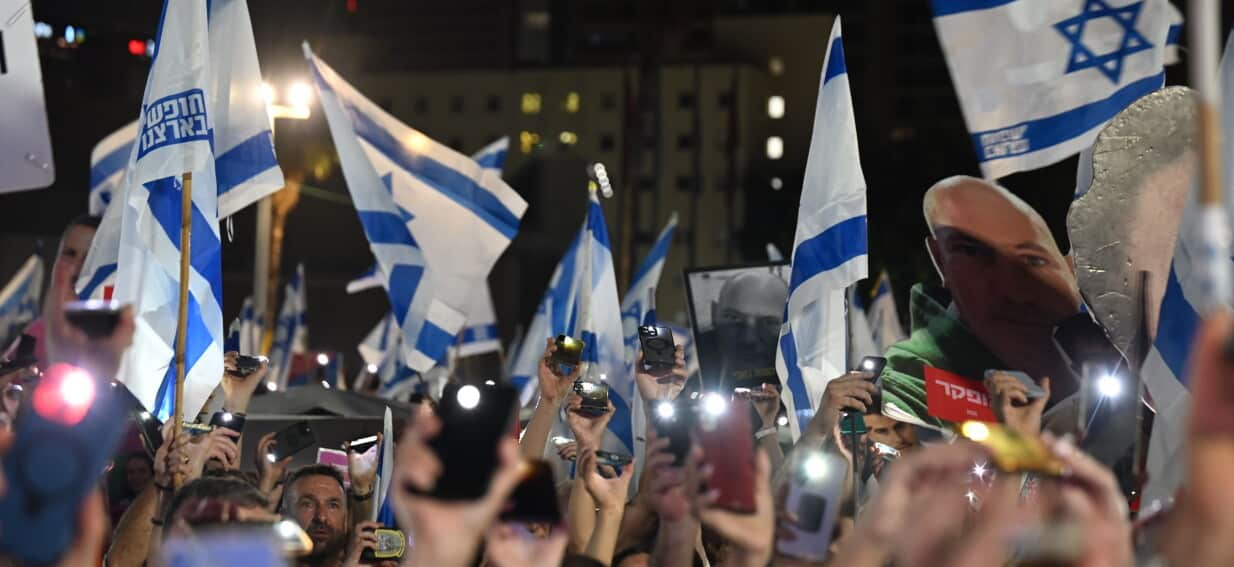
Israeli voters head to the ballot box following a bitter final campaign exchange between Prime Minister Benjamin Netanyahu and political rival Gadi Eisenkot over the existential threat posed by Tehran.
SBS News Top Stories reported that Mr Netanyahu concluded his bid for re-election with a stark appraisal of Iran’s nuclear ambitions, placing national security at the absolute centre of the nation's political discourse. The veteran conservative leader argued that his stewardship remains essential to confronting Iranian expansionism across the Middle East.
Dueling visions on countering Tehran
The confrontation highlights how deeply security considerations continue to divide the Israeli political establishment. Mr Netanyahu used his closing pitch to project strength, asserting that only a right-leaning coalition under his leadership possessed the international leverage and strategic resolve to prevent Iran from developing nuclear weapons capability.
However, the focus on regional security invited sharp pushback from Mr Eisenkot, a former Chief of General Staff of the Israel Defense Forces who entered politics as part of a centrist opposition bloc. SBS News Top Stories reported that the public sparring saw both figures question each other’s operational judgement, underscoring deep disagreements over how best to deter proxy militias along Israel's northern frontiers.
General's record under fierce scrutiny
Mr Eisenkot's emergence as a prominent figure in the centrist opposition challenged the prime minister’s traditional monopoly on defence leadership. Having overseen military operations during a period of intense shadow conflict with Iranian forces in Syria, the former military chief argued that sustainable national defence requires broad institutional cohesion rather than partisan point-scoring.
In response, Mr Netanyahu’s conservative Likud party targeted the former general’s strategic instincts, suggesting that centrist governance would compromise Israel’s operational independence on the world stage. The back-and-forth reflects a long-running political dynamic in Jerusalem, where former military commanders frequently challenge incumbent civilian leaders on tactical grounds.
Fractured electorate returns to the ballot
The high-stakes debate arrived as voters prepared to cast ballots in what has become an unprecedented cycle of political stalemate. The vote marks Israel's fifth parliamentary election in less than four years, driven by razor-thin margins between Mr Netanyahu’s religious-nationalist allies and a disparate coalition of centrist, leftist, and conservative defectors united primarily by their opposition to his extended tenure.
Polling ahead of the vote indicated neither bloc was guaranteed a definitive majority in the 120-seat Knesset. With turnout expected to dictate the final balance of power, both camps deployed sharp security rhetoric in the final 24 hours of campaigning to mobilise uncommitted voters who place national defence above cost-of-living pressures and domestic reforms.
Regional stability hangs in the balance
International observers, including officials in Canberra and Washington, have kept a watchful eye on the poll’s potential fallout for regional diplomacy. The election takes place amid broader shifts across the Middle East, including the implementation of the Abraham Accords and ongoing diplomatic gridlock regarding Western negotiations with Iran.
Whether Mr Netanyahu succeeds in returning to power or the centrist bloc consolidates its defence credentials, the outcome will fundamentally influence military posture and regional alliances. As polling booths open, the bitter exchange between the prime minister and his military rival has served as a potent reminder of the precarious security environment framing Israel’s domestic democracy.