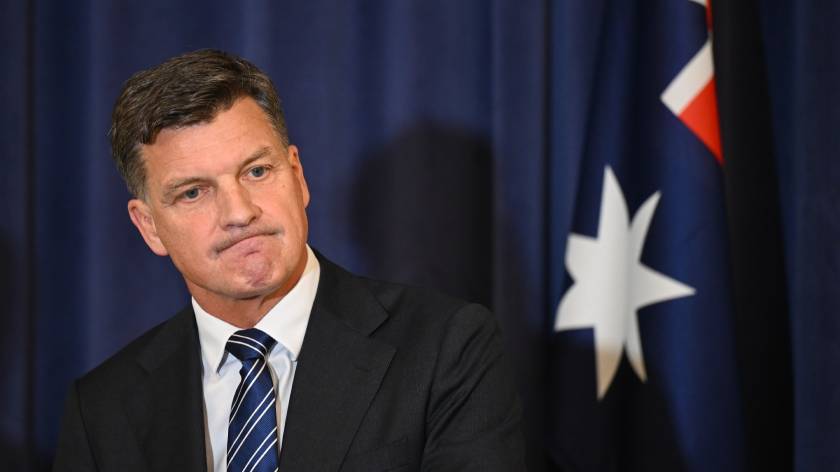
Shadow Treasurer Angus Taylor is placing a high-stakes fiscal bet on the next federal election, arguing that inflation-weary voters are ready to embrace more than $30 billion in government spending cuts.
The Coalition’s economic frontbencher has thrust fiscal restraint back into the centre of national debate, positioning sweeping reductions in Commonwealth outlays as the primary antidote to persistent domestic inflation. As Crikey reported, Taylor’s strategy hinges on convincing an electorate fatigued by elevated interest rates that the fastest route to relief lies in shrinking Canberra’s footprint rather than expanding state support.
Dismantling Canberra's expanding balance sheet
The proposed blueprint, which targets upwards of $30 billion in savings, signals a decisive return towards traditional fiscal orthodoxy after years of pandemic-era deficits and subsequent structural growth under the Albanese government.
According to Crikey’s analysis, the Opposition’s plan zeroes in on public service expansion, external consultancy contracts, and uncommitted funding pools accumulated across federal departments. While the Coalition has sought to assure voters that frontline services and essential transfer payments will remain insulated, the quantum of the proposed clawback will inevitably require difficult trade-offs across discretionary portfolios.
Taylor’s pitch rests on the conviction that middle Australia views public expenditure not as a benign buffer against rising costs, but as a key driver of stubborn price pressures that have forced the Reserve Bank of Australia to keep the cash rate restrictive.
Navigating the ghost of 2014
Yet embarking on an overt austerity platform carries immense political peril for the Coalition. Memory of the Abbott government’s ill-fated 2014 budget—which triggered a severe public backlash against proposed welfare and health co-payments—remains a cautionary tale in Australian politics.
Labor strategists are already preparing to weaponise any concrete list of Coalition cuts, framing the proposed fiscal retreat as a direct threat to community healthcare, infrastructure pipelines, and cost-of-living subsidies. For Taylor, the strategic challenge will be sustaining the intellectual case for fiscal discipline without presenting a target-rich environment for government counter-offensives in battleground suburban seats.
Diverging paths in a turbulent global election year
The debate unfolds against the backdrop of an unprecedented series of consequential elections worldwide, with electorates across major democracies grappling with similar economic cross-currents.
From North America to Europe, incumbent administrations are facing intense voter volatility driven by the lingering tail of post-pandemic inflation and high borrowing costs. While some overseas conservative parties have leaned heavily into populist spending promises, Taylor’s strategy embraces a more classical, deficit-slashing posture.
Whether Australian voters will reward a platform of shared fiscal belt-tightening—or punish the Coalition for threatening public programs—will determine not only Taylor’s political future, but the broader trajectory of the nation’s post-crisis economy.