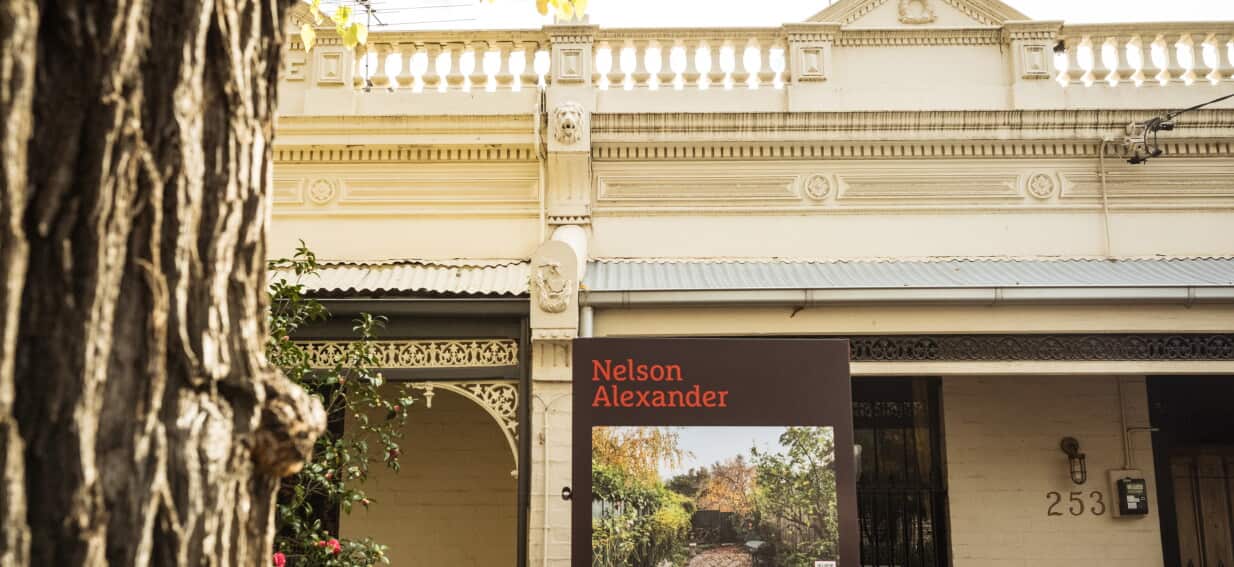
Australia's property market is once again on a downward trajectory, marking the ninth significant price correction in the last 30 years. For many homeowners and investors, the current climate evokes an uneasy sense of déjà vu, prompting a deep dive into the historical playbook of past downturns to navigate the present uncertainty.
SBS Australia recently reported on the recurring nature of these market shifts, highlighting key indicators and outcomes from the preceding eight cycles. Their analysis underscores that while each downturn possesses unique triggers, common threads often dictate their duration and severity. This time, rising interest rates and cost-of-living pressures are the dominant forces, a familiar combination that typically signals tightening household budgets and reduced borrowing capacity.
History's Echoes: What Past Downturns Reveal
Looking back over three decades, Australian property has proven remarkably resilient, consistently recovering from dips. Early 1990s saw a substantial correction, particularly in Sydney, driven by high interest rates and a recession. The mid-2000s experienced localised slowdowns, while 2017-2019 brought a more widespread but relatively short-lived correction, largely concentrated in Sydney and Melbourne, following intervention from prudential regulators.
SBS Australia's research indicates that the average property downturn in Australia lasts approximately 12 to 18 months, with prices typically falling by around 5% to 10% nationally before recovery begins. However, individual markets, particularly those in major metropolitan hubs, can experience more pronounced declines. Historically, periods of rapid price growth have often been followed by steeper corrections, suggesting that the unprecedented boom of the past two years could precede a more significant rebalancing.
Key Drivers of the Current Slide
Unlike some previous downturns triggered by global financial crises or specific housing supply gluts, the current decline is largely a direct response to the aggressive interest rate hikes by the Reserve Bank of Australia (RBA). The RBA's rapid tightening cycle aims to douse inflationary fires, but a direct consequence is a sharp increase in mortgage repayments for many households. This reduced affordability, coupled with waning consumer confidence, is dampening buyer demand across the board.
Adding to the pressure are surging inflation and the rising cost of living, which are eroding household savings and disposable income. Potential buyers are facing higher living expenses, making the prospect of taking on a substantial mortgage loan less appealing or simply unattainable. Investors, too, are likely to become more cautious, weighing the impact of higher rates on rental yields and capital growth projections.
Warning Signs to Watch
SBS Australia's analysis points to several critical indicators that will shape the trajectory of this ninth downturn. The pace and magnitude of future RBA interest rate increases will be paramount. A slowing of rate hikes or, eventually, a pause could provide some stability to the market, allowing buyers and sellers to adjust to the new normal.
Another crucial watchpoint is unemployment figures. Historically, severe and prolonged downturns have often coincided with significant rises in unemployment, leading to forced sales and increased supply. Currently, Australia's labour market remains robust, a positive factor that could cushion the severity of the property correction. However, any weakening in employment data would be a serious red flag.
Lastly, the availability and cost of credit will play a significant role. Lenders are already becoming more conservative in their assessments of borrowing capacity, and any further tightening could exacerbate the market slowdown. The overall health of the Australian economy and global economic headwinds will also continue to exert influence, reminding us that while history offers guidance, each property cycle brings its own unique complexities.