While official figures paint a picture of a cooling national housing market, with prices declining for a third consecutive month, new analysis highlights a stark divergence – both geographically and within the seller cohort. June saw an ongoing contraction in Australian property values, yet one capital city remarkably continues its upward trajectory.
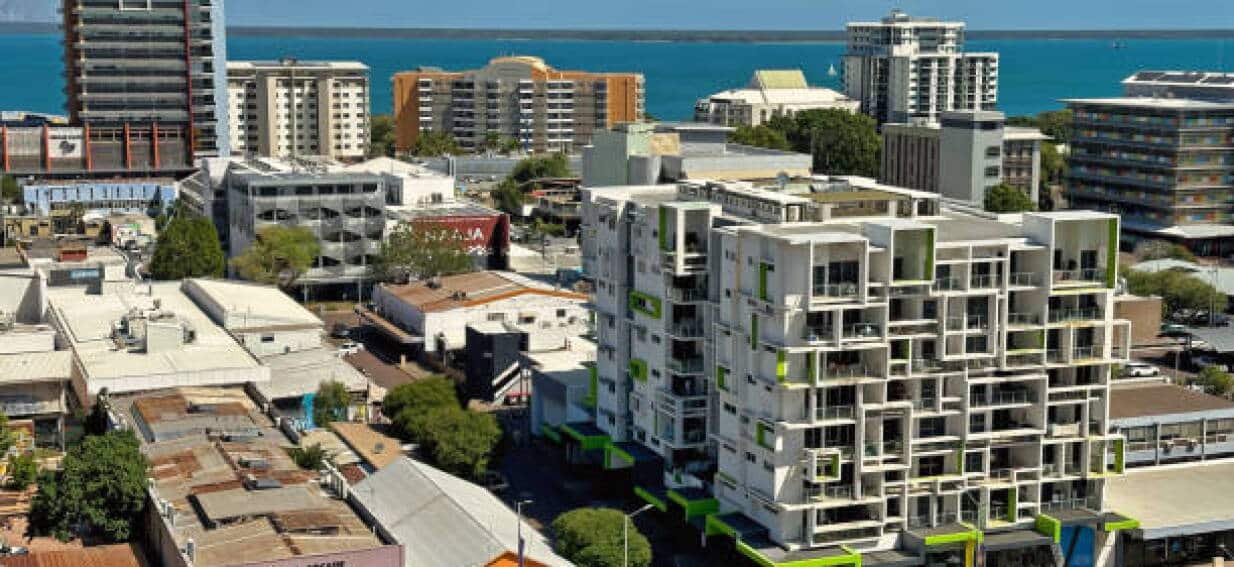
CoreLogic's latest Home Value Index, released this week, confirms a 0.6 per cent national drop in dwelling values over the past month. This follows declines of 0.7 per cent in May and 0.5 per cent in April, signalling a clear downward trend across much of the country. However, Darwin stands as a lone exception among the capitals, recording a modest 0.9 per cent increase in dwelling values last month. This resilience in the Top End comes as Sydney and Melbourne continue to bear the brunt of the downturn, with falls of 1.6 per cent and 1.1 per cent respectively.
Sellers Still Cashing In
Despite the broader market deceleration, an astonishing 93.7 per cent of properties resold across Australia in the three months to May achieved a higher price than their previous purchase price. This remarkable statistic translates to an average gross profit of $290,000 per sale, according to CoreLogic's Pain & Gain report. The figures underscore a complex market dynamic where long-term ownership continues to yield substantial returns, even as the current growth cycle reverses course. Many of these profitable sales likely reflect properties bought several years ago before the recent interest rate hikes and cost of living pressures began to impact buyer demand.
CoreLogic's Head of Research, Eliza Owen, noted that while the proportion of profitable sales remains high, it has fallen slightly from the record high of 94.2 per cent recorded in the March quarter. This subtle shift suggests that the peak of profitability may be behind us, and a growing number of recent purchasers could find themselves in less advantageous positions if the downturn persists.
Regional Markets Feel the Pinch
The regional housing markets, once a beacon of strength during the pandemic-driven exodus from major cities, are now experiencing their own deceleration. Regional dwelling values collectively fell by 0.1 per cent in June, marking their first decline since August 2020. This shift indicates that the factors influencing the metropolitan markets – primarily rising interest rates and affordability constraints – are increasingly permeating into historically more affordable regional areas.
Tasmania's regional market saw the sharpest decline, with values falling by 0.6 per cent. Conversely, regional South Australia and Western Australia bucked the trend, recording modest gains of 0.4 per cent and 0.3 per cent respectively. This varied performance highlights the localised nature of property markets, even within broader regional classifications.
The Widening Divide
The data paints a picture of a housing market increasingly characterised by a widening divide. While the majority of sellers are still sitting on substantial profits, the recent downturn disproportionately affects recent buyers, particularly those who stretched their finances during the pandemic-induced peak. SBS Australia reported that economists broadly expect the national market to continue its decline in the coming months, driven by further interest rate rises and inflationary pressures. The resilience of cities like Darwin, however, offers a counter-narrative, suggesting that local economic conditions and supply-demand dynamics can still override national trends.
The coming months will be crucial in determining whether the national downturn accelerates or stabilises, and how individual markets adapt to the evolving economic landscape. For now, the Australian housing market remains a tale of two halves: one where record profits are still being realised, and another grappling with cooling values and increasing uncertainty.