Pakistan has launched lethal retaliatory strikes into Afghanistan, employing airstrikes and artillery fire against what it claims are militant hideouts, following a recent spate of what it describes as terrorist attacks within its borders. The pre-dawn assaults, which reportedly killed civilians including women and children, have ignited a fresh diplomatic firestorm and drawn condemnation from Kabul.
The Pakistani Foreign Ministry confirmed the military actions, stating they were a direct response to "recent terrorist attacks against innocent people," a reference to a series of bombings and shootings that have plagued the nation, particularly in its volatile northwestern regions. While Islamabad did not specify the exact targets or locations, BBC World reported that the strikes primarily targeted areas within the Afghan provinces of Paktika and Khost, both bordering Pakistan's tribal districts.
Escalating Border Violence
The strikes underscore a perilous deterioration in relations between the two South Asian neighbours. For months, Pakistan has accused the interim Taliban government in Afghanistan of harbouring Tehrik-i-Taliban Pakistan (TTP) militants, also known as the Pakistani Taliban, who have claimed responsibility for numerous attacks on Pakistani soil. Islamabad alleges these groups operate with impunity from Afghan territory, planning and executing cross-border assaults.
Kabul, meanwhile, has vehemently denied these accusations, asserting it is committed to preventing its land from being used against any other country. However, the Taliban's inability or unwillingness to rein in the TTP – an ideologically aligned but distinct group – has been a constant source of friction, fueling Pakistani frustration. The recent Pakistani strikes represent a significant escalation from previous diplomatic remonstrations and minor border skirmishes, signalling a shift towards more direct military engagement.
Civilian Casualties and Afghan Outcry
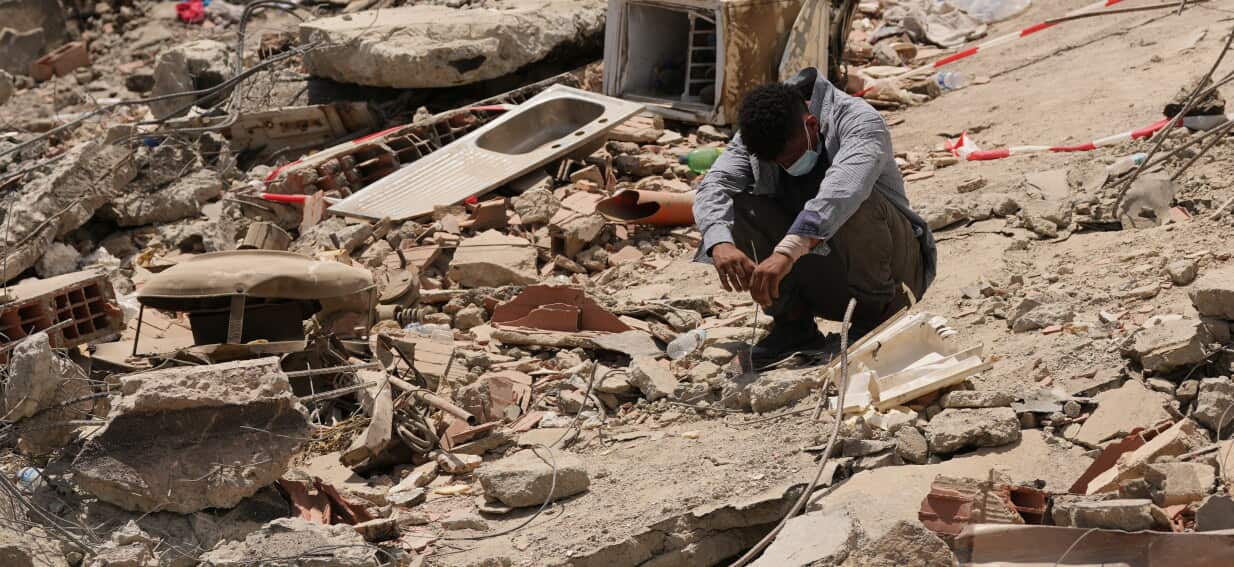
Reports from within Afghanistan, confirmed by local officials and widely circulated on social media, suggest that the Pakistani strikes resulted in civilian deaths. Afghan media outlets, citing local sources, claimed that at least eight people, predominantly women and children, were killed in one of the targeted villages in Paktika province. These claims have been echoed by the Taliban administration, which swiftly condemned the attacks as a violation of its sovereignty and territorial integrity.
In a strongly worded statement, Afghanistan’s foreign ministry warned that such actions could have "dire consequences." The spokesperson emphasised Afghanistan's right to self-defence and called for a peaceful resolution to disputes through dialogue, a sentiment that now rings hollow in the wake of missile strikes and artillery bombardments. The incident immediately triggered protests in several Afghan cities, with demonstrators burning Pakistani flags and demanding accountability for the civilian deaths.
A Broader Regional Malaise
The deepening crisis between Pakistan and Afghanistan is not an isolated event but rather indicative of a broader geopolitical malaise in the region. Since the Taliban's takeover in August 2021, the porous border has become a conduit for instability. Pakistan, a nuclear-armed nation grappling with a struggling economy and internal security challenges, views the TTP threat as existential, particularly as the group seeks to reassert its influence across the country.
Analysts suggest that Pakistan's latest military actions are a calculated risk, aimed at sending an unequivocal message to the Taliban in Kabul: demonstrate a genuine commitment to counter-terrorism or face further incursions. However, this aggressive posture also risks alienating the international community and further destabilising an already fragile region. The timing of the strikes also raises questions, coming just days after a particularly audacious attack on a Pakistani military post, which intensified domestic pressure on the government to act decisively. The ongoing standoff threatens to engulf the border region in further violence, with ordinary citizens bearing the brunt of the escalating conflict.