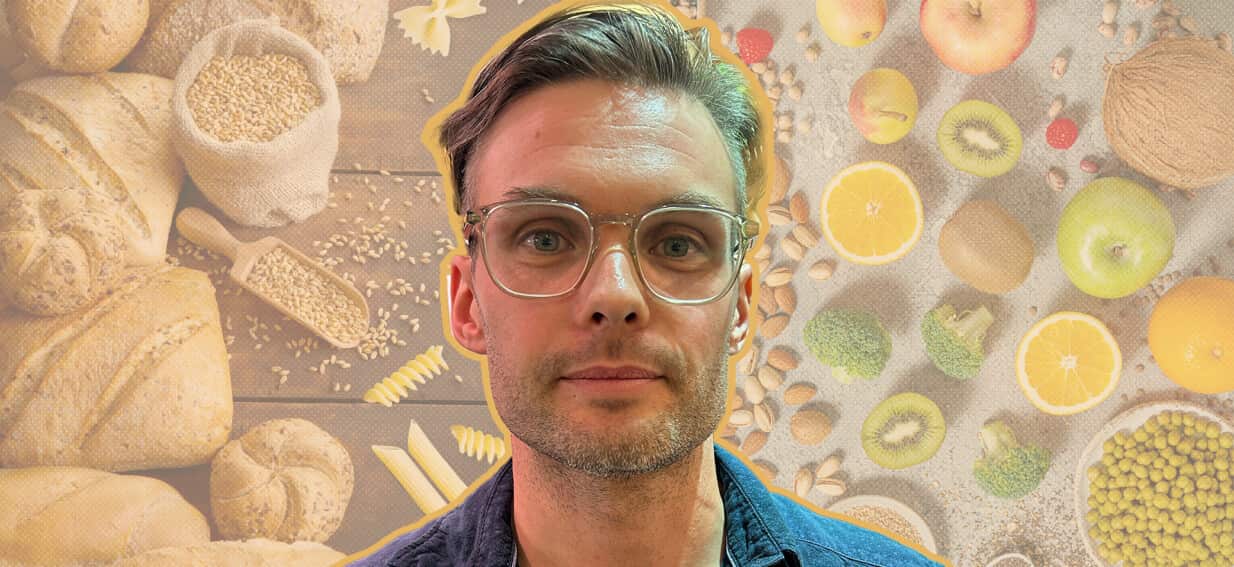
Sydney resident Ben Hampton faced a baffling medical mystery as he rapidly shed 10 kilograms and endured a cascade of debilitating symptoms that left doctors searching for answers. His journey through medical uncertainty, as reported by SBS Australia, ultimately led to a surprising diagnosis that has profoundly changed his relationship with food.
Hampton's health began to deteriorate mysteriously, with unexplained weight loss, persistent fatigue, and a general sense of unwellness pervading his daily life. Multiple medical consultations yielded no clear diagnosis, leaving him increasingly frustrated and concerned about his future. "It was incredibly disheartening to go from specialist to specialist, undergoing test after test, only to be told that they couldn't pinpoint the cause of my symptoms," Hampton recounted in the SBS Australia report. This period of diagnostic limbo was not only physically taxing but also emotionally draining, as the lack of clarity prevented any targeted treatment.
A Friend's Crucial Intervention
The turning point in Hampton's ordeal came not from a medical professional, but from a casual conversation with a friend. During a discussion about his ongoing health struggles, his friend suggested he consider the possibility of a gluten intolerance or coeliac disease. This offhand comment, though initially met with scepticism, resonated with Hampton, who had exhausted conventional medical avenues. Intrigued, he began researching the conditions, discovering that his symptoms aligned disturbingly well with descriptions of coeliac disease. This newfound lead spurred him to advocate for more specific testing, a step that would ultimately prove pivotal in understanding his declining health.
Unveiling Coeliac Disease
Armed with his friend's suggestion and his own research, Hampton returned to his doctor, insisting on being tested for coeliac disease. The subsequent blood tests and biopsies confirmed the diagnosis: Hampton had coeliac disease, an autoimmune condition where the ingestion of gluten leads to damage in the small intestine. For Hampton, the diagnosis was a mixed bag of emotions. While it was a relief to finally have an answer, it also meant a complete overhaul of his diet, eliminating gluten-containing foods entirely. "It was a monumental shift in my understanding of food and my body," he told SBS Australia, acknowledging the immediate challenge of navigating a gluten-free lifestyle.
Navigating a New Culinary Landscape
Adopting a gluten-free diet required significant adjustments to Hampton's daily routine and culinary habits. Gone were his favourite pastries, breads, and many processed foods that contained hidden gluten. The initial phase was daunting, involving meticulous label reading, learning about cross-contamination risks, and discovering new gluten-free alternatives. However, the commitment quickly paid dividends. Within weeks of strictly adhering to his new diet, Hampton began to experience a remarkable improvement in his symptoms. His energy levels returned, the unexplained weight loss ceased, and the overall sense of unwellness dissipated. This dramatic recovery underscored the profound impact of the diagnosis and the efficacy of the dietary changes.
A Transformed Relationship with Food
Today, Ben Hampton's relationship with food is fundamentally different. What was once a source of confusion and discomfort is now viewed through a lens of mindful consumption and health management. His experience highlights the often-complex nature of autoimmune conditions and the importance of perseverance in seeking a diagnosis. For many Australians, navigating dietary restrictions due to medical conditions can be challenging, but Hampton's story, as detailed by SBS Australia, serves as a powerful reminder of the transformative potential of an accurate diagnosis and the subsequent lifestyle adjustments. He now advocates for greater awareness of coeliac disease and the importance of listening to one's body, even when medical answers are not immediately forthcoming.