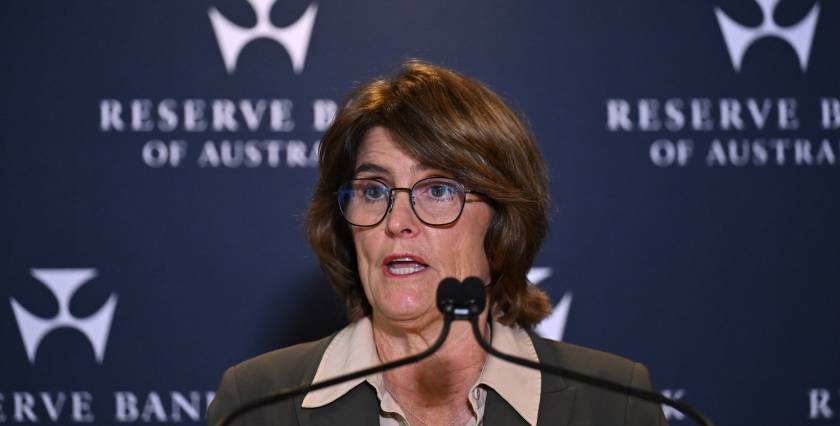
The Reserve Bank of Australia has driven the official cash rate to an 18-year high, acknowledging the tightening cycle will induce economic pain that mirrors the severity of a recession.
The decision marks a critical juncture in the central bank’s aggressive campaign against entrenched inflation, shifting immense political pressure back onto the federal government. As Crikey reported, an escalating blame game has erupted across the political spectrum, with the central bank openly conceding that for millions of working Australians, the steep trajectory of borrowing costs will bear the unmistakable hallmarks of an economic downturn.
Monetary Squeeze Strains Household Budgets
Mortgage holders across the country are bracing for an immediate contraction in disposable income as retail lenders move in lockstep to pass the latest increase on to variable-rate borrowers. The sustained monetary tightening has systematically drained liquidity from domestic balance sheets, dampening discretionary spending and depressing retail sentiment.
While technical economic indicators may yet avert a formal statistical recession—traditionally defined as two consecutive quarters of negative gross domestic product growth—the lived reality for households facing surging repayments and elevated living costs will be functionally indistinguishable from one.
Fiscal Crosshairs Turn to Jim Chalmers
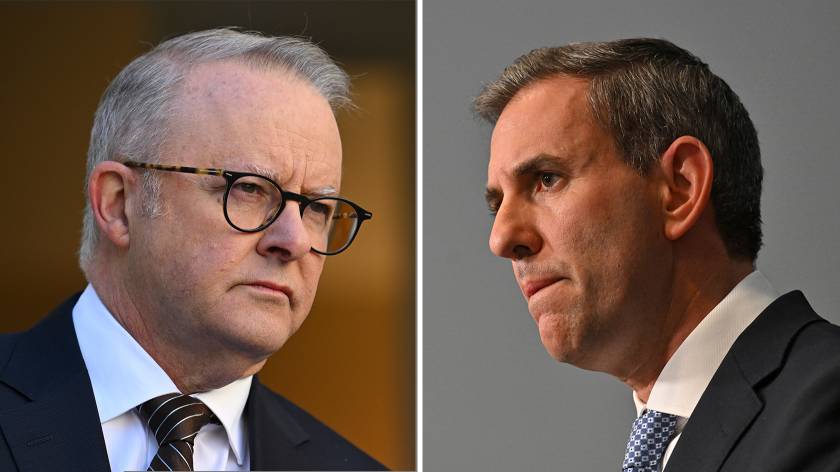
The tightening trajectory places Treasurer Jim Chalmers in an increasingly delicate political and macroeconomic bind. Calls are mounting from crossbenchers, industry bodies, and social welfare advocates for the Commonwealth to intervene, yet fiscal policy must tread carefully to avoid pouring further fuel on the inflationary fire.
Crikey reported that scrutiny has sharply intensified over what policy responses the Treasurer can deploy without undermining the central bank’s inflation target. Economists warn that broad-based, non-targeted budget outlays would simply force the Reserve Bank to raise rates further, prolonging the cycle of elevated repayments and eroding real household earnings.
Global Volatility and Midterm Crosscurrents
Australia's domestic monetary reckoning unfolds against a backdrop of pronounced international turbulence. In the United States, voters head to the polls with control of Congress hanging in the balance, a contest driven largely by domestic discontent over high consumer prices and rapidly rising interest rates.
The parallels between the two jurisdictions underscore the precarious political landscape facing incumbent administrations confronting generational cost-of-living crises. Global central banks, led by the US Federal Reserve, have demonstrated an uncompromising commitment to crushing demand, effectively exporting currency volatility and higher imported costs to open trading economies like Australia.
Balancing Growth Against Persistent Inflation
The central bank remains locked in a high-stakes balancing act: attempting to guide the economy down a narrow path where inflation returns to the 2 to 3 per cent target band without triggering substantial enterprise distress and widespread employment destruction.
However, with business confidence softening and real wages trailing persistently high headline inflation, the margin for error has diminished considerably. The coming quarters will test not only the financial resilience of indebted households, but also the structural coherence between the Reserve Bank's restrictive monetary mandate and Canberra's broader macroeconomic strategy.