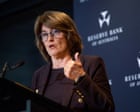
The Reserve Bank of Australia has delivered a fifth rate rise this year, lifting the cash rate to 4.85 per cent—its highest level since 2008—as geopolitical shocks fuel persistent inflation.
The 25-basis-point increase, up from 4.6 per cent, marks another aggressive tightening move from the central bank board as policymakers battle to bring consumer price growth back into their preferred 2 to 3 per cent target band. The decision, outlined in an address by RBA Governor Michele Bullock, underscores mounting anxiety at Martin Place over sticky domestic services costs and volatile international energy supplies.
Relentless pressure on household budgets
For more than 3.3 million Australian households holding owner-occupier and investment mortgages, the latest escalation guarantees an immediate hit to monthly cash flows. As commercial lenders move to pass through the full quarter-point adjustment across their variable loan portfolios, the compounding effect of back-to-back rises will force households to divert hundreds of additional dollars each month toward debt repayments.
Borrowers who took out large balances during the pandemic era of rock-bottom interest rates now face repayment burdens not witnessed since the global financial crisis. Meanwhile, homeowners rolling off expired fixed-rate contracts continue to absorb severe servicing adjustments, tightening the financial vice across metropolitan housing markets, particularly in Sydney's outer-suburban mortgage belts.
Global oil shock complicates inflation fight
The board's renewed urgency has been compounded by external disruptions, with The Guardian Australia reporting that the decision was heavily influenced by surging global oil prices triggered by the ongoing conflict in the Middle East.
The spike in crude prices threatens to filter rapidly into domestic transport, freight, and supply-chain expenses, introducing second-round inflationary impulses just as aggregate domestic consumer demand had begun to cool. Central bank officials remain wary that sustained headline pressures could distort medium-term price and wage expectations, necessitating tighter monetary settings to choke off persistent increases across non-discretionary goods and services.
Political fallout intensifies in Canberra
The milestone rate increase immediately sharpens political scrutiny on the federal government, arming the federal opposition with fresh ammunition over the administration's fiscal discipline and economic stewardship.
While Treasurer Jim Chalmers has consistently pointed to international supply disruptions and emphasised the central bank's statutory operational independence, consecutive monetary hits are exacerbating voter frustration over cost-of-living constraints. Analysts warn that higher borrowing expenses, combined with weak real wage growth and high utility tariffs, will narrow the government's economic manoeuvring room in upcoming budget updates.
Tightening cycle nears peak pain threshold
Financial markets and institutional forecasters remain divided over whether 4.85 per cent represents the peak of this aggressive tightening cycle or if further intervention will be required before year's end.
With discretionary retail turnover stalling and business administrations climbing across vulnerable sectors such as commercial construction and hospitality, the RBA faces an increasingly delicate balancing act. Policymakers must weigh whether the delayed impact of previous increases is sufficient to tame demand, or whether pursuing further tightening risks tipping the national economy into a broader downturn.