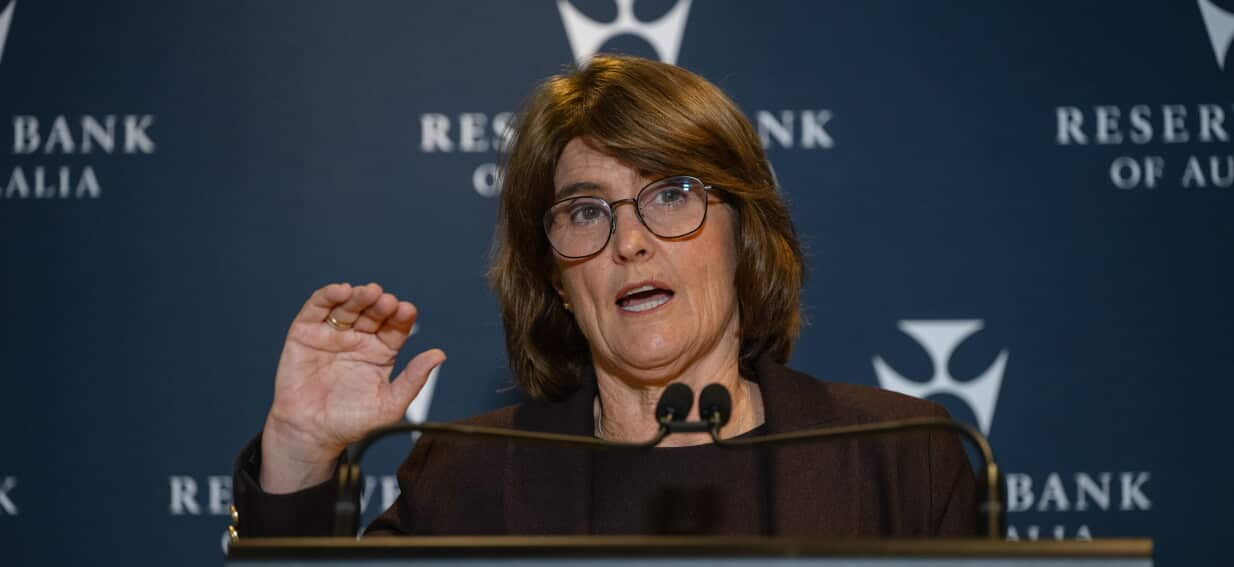
Australian mortgage holders and businesses face an anxious wait today as the Reserve Bank of Australia prepares to hand down a pivotal interest rate decision that could push borrowing costs to an 18-year high.
The central bank's board convenes amid intense scrutiny, balancing persistent price pressures against growing signs of household distress. As SBS News Top Stories reported in its coverage of the decision, any further increase would lift the official cash rate to levels not witnessed since the mid-2000s, escalating the financial strain on heavily leveraged borrowers nationwide.
Cash Rate on the Cusp of Historic Highs
The looming announcement follows months of aggressive monetary policy aimed at curbing elevated inflation across goods and services. While headline inflation has moderated from its peak, underlying components—particularly in rent, energy, and market services—remain uncomfortably above the central bank’s target band of 2 to 3 per cent.
Financial markets and institutional economists remain closely divided on whether the board will enact another 25-basis-point increase or pause to assess the lagging effects of previous adjustments. The prospect of an 18-year peak underscores the severity of the current tightening cycle, which has represented one of the steepest sequences of rate hikes in modern Australian economic history.
Borrowers Brace for Mounting Mortgage Pressure
For millions of households, the immediate consequence of another policy tightening would be felt through retail banking channels. Lenders are anticipated to pass on any official adjustment in full to standard variable home loans within days of an announcement.
Independent banking data suggests that successive increases have already added thousands of dollars to annual repayments on an average Sydney mortgage, consuming a significant portion of disposable income. With tens of thousands of fixed-rate loans continuing to expire and roll over onto substantially higher variable products, household balance sheets are operating under unprecedented pressure. Consumer sentiment metrics have languished near recessionary levels, reflected in curtailed discretionary spending across hospitality and domestic retail sectors.
Economic Balancing Act for the Central Bank
The board's monetary policy deliberations occur against a delicate macroeconomic backdrop. On one side, Australia’s labour market has demonstrated unexpected resilience, with the national unemployment rate hovering near historic lows, sustaining wage growth and domestic demand.
Conversely, broader economic growth has slowed considerably, weighed down by the contraction in household consumption. Economists warn that pushing borrowing costs too high risks tipping the domestic economy into an outright downturn, dampening business investment and ultimately triggering job losses.
Market Analysts Divided on Terminal Trajectory
Beyond the immediate rate call, market observers and investors are scrutinising the post-meeting statement for guidance on the cash rate’s eventual terminal peak. Divergent opinions across the commercial banking sector highlight the uncertainty clouding medium-term policy.
While some institutional forecasters suggest that inflation dynamics necessitate sustained tightness well into the coming financial year, others argue that weakening retail activity signals that monetary policy is already sufficiently restrictive. Regardless of the board's immediate determination, the path forward promises continued volatility for Australian asset prices and household budgets alike.