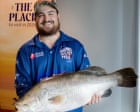
The sighting of a massive saltwater crocodile near Rockhampton’s proposed Olympic rowing precinct has reignited fierce safety concerns, casting a fresh shadow over regional Queensland’s ambitions for the 2032 Brisbane Games.
The animal, estimated to be several metres in length, was observed navigating waters in close proximity to the stretch of river earmarked for international competition. ABC News Australia reported that the sighting has unsettled local water users and brought long-dormant anxieties over apex predator management back into sharp public focus.
A Predator on the Course
The Fitzroy River, which carves through the heart of Rockhampton, has long harboured an established population of estuarine crocodiles. However, the presence of an imposing bull crocodile near the proposed Olympic flatwater course highlights the precarious nature of hosting elite water sports in a tropical ecosystem.
Rowers compete in lightweight, narrow sculls that sit mere inches above the waterline and are notoriously susceptible to capsizing during training and racing. ABC News Australia reported that local rowers and community figures have voiced renewed unease about whether international federations would ever permit their athletes to take to waters known to sustain dangerous reptiles.
Regional Hopes Meet Tropical Reality
Rockhampton civic leaders have campaigned vigorously to host Olympic and Paralympic events, framing the bid as a golden opportunity to decentralise the multi-billion-dollar 2032 showcase and channel investment into Central Queensland. Backers previously proposed extensive monitoring infrastructure, ranging from spotter drones and sonar sweeps to exclusionary underwater netting systems designed to create an impenetrable barrier around the race lanes.
Yet wildlife biologists have repeatedly cautioned that saltwater crocodiles possess extraordinary strength and stealth, routinely circumventing artificial barriers during high tides or river surges. The latest sighting serves as a visceral reminder of the limits of modern management when matched against a prehistoric predator in its natural habitat.
Wildlife Policy Under the Microscope
The incident has also intensified political pressure on the Queensland Government’s existing crocodile management regime. Under current frameworks, authorities operate a targeted removal scheme, trapping and relocating problem animals that venture into populated zones or display territorial aggression toward watercraft.
However, community sentiment remains deeply divided. While conservative regional MPs have historically demanded broader culling programmes to protect public recreation, conservation groups maintain that culling creates a false sense of security while disrupting the river’s delicate ecological balance. With global attention gradually turning toward Queensland, any escalation in aggressive wildlife interventions risks drawing intense international scrutiny.
Infrastructure Headaches for 2032 Organisers
The crocodile sighting adds another layer of complexity to the broader dispute surrounding venue selection for the Brisbane Games. Following months of debate over stadium costs and master-plan reviews, rowing venue logistics have emerged as a recurring source of contention between state planners, regional shires, and Olympic organisers.
Alternative courses, including Wyaralong Dam south of Brisbane and Lake Kawana on the Sunshine Coast, remain under active discussion. While Central Queensland civic leaders remain determined to secure their share of the Olympic dividend, proving that the Fitzroy can guarantee complete athlete safety may ultimately prove a river too wide to cross.