LUANDA – Two Russian nationals have been handed significant jail sentences in Angola after being convicted of terrorism and spying charges, following accusations they masterminded a coup attempt and incited deadly demonstrations across the nation.
Lev Lakshtanov was sentenced to eight years imprisonment, while his compatriot Igor Ratchin received an 11-year term. Both men vehemently denied the charges throughout their trial, maintaining they were in the resource-rich southern African country for legitimate cultural and business endeavours, as reported by Reuters World.
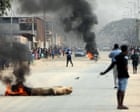
The convictions stem from a tumultuous period last year when Angola was gripped by widespread unrest, triggered by steep fuel price hikes. The Angolan government, however, has consistently argued that these protests were not merely organic expressions of public discontent but rather part of a more sinister, externally orchestrated plot to destabilise the nation.
Allegations of Destabilisation and Deadly Unrest
Angolan prosecutors presented evidence alleging that Lakshtanov and Ratchin were central figures in a sophisticated scheme to undermine the country’s leadership. The accusations included not only planning a coup d'état but also actively coordinating the violent demonstrations that led to fatalities and significant property damage. The precise nature of their alleged involvement, such as funding or strategic direction, was not fully detailed in the initial report, though the harsh sentences suggest a robust case was mounted by the Angolan authorities.
The protests themselves, which occurred intermittently throughout 2023, saw thousands take to the streets in major cities, clashing with security forces. While many citizens expressed genuine frustration over the soaring cost of living and the withdrawal of fuel subsidies, the Angolan government’s narrative has consistently pointed towards external interference. This has been a recurring theme in African nations responding to internal dissent, often framing it as foreign meddling rather than purely domestic grievances.
Diplomatic Silence and Broader Geopolitical Context
There has been a notable lack of detailed commentary from the Russian government regarding the arrests and convictions of Lakshtanov and Ratchin. Moscow's typically robust defence of its citizens abroad, especially in cases with strong political overtones, has so far been muted. This silence could indicate a variety of diplomatic considerations or perhaps reflect a more complex, less publicly acknowledged relationship between the two nations.
Angola, a former Portuguese colony, has historical ties with Russia, dating back to the Soviet era when Moscow provided support to the ruling MPLA party during the Angolan Civil War. In recent years, Russia has sought to renew and deepen its influence across the African continent, often through military cooperation, economic partnerships, and sometimes, less overt forms of engagement. The implications of these convictions for broader Russia-Africa relations, particularly in the delicate realm of security and intelligence, remain to be seen.
Implications for Foreign Business and Nationals
Beyond the immediate fate of Lakshtanov and Ratchin, these convictions send a strong message to foreign nationals operating within Angola. The robust application of anti-terrorism and espionage laws in relation to internal political instability could prompt increased scrutiny from international businesses and foreign governments whose citizens are involved in various ventures in the country. For Australian businesses and individuals considering opportunities in Angola, particularly in sectors prone to political volatility, this case underscores the importance of thorough due diligence and a clear understanding of the local political and legal landscape. The risk of being entangled in local political narratives, even inadvertently, appears to be significant, with potentially severe personal consequences, as evidenced by the lengthy prison terms handed down by the Angolan court.