
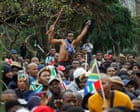
South African cities and towns are braced for potential unrest as authorities deploy police and military units across the country ahead of planned demonstrations against undocumented foreign nationals. The government's proactive measures reflect deep-seated concerns about a resurgence of xenophobic violence, echoing the tragic events of 2008 that claimed 62 lives.
Reuters World reported a palpable tension in Johannesburg, the nation's economic capital, where uniformed security personnel were a visible presence in the central business district. The unnerving atmosphere led many shopkeepers to keep their doors shut on Tuesday, wary of potential looting and clashes. Local media outlets further reported the sighting of trucks and other assets belonging to the South African National Defence Force, underscoring the seriousness with which authorities are treating the impending protests.
Echoes of a Deadly Past
The specter of the 2008 anti-migrant violence hangs heavily over South Africa. That period of intense unrest saw widespread looting, destruction of property, and horrific attacks on foreign nationals, leaving a deep scar on the nation's conscience. The current deployment of security forces is a direct response to intelligence suggesting a high risk of similar outbreaks if the scheduled marches escalate. Police statements have emphasised a zero-tolerance approach to any acts of xenophobia, violence, or incitement.
Groups orchestrating the anti-immigration demonstrations cite high unemployment rates and perceived strains on public services as primary motivations. They argue that undocumented foreign nationals are illegally competing for jobs and burdening already stretched resources, claims that have been widely debunked by economists and human rights organisations, who point to systemic issues within the South African economy rather than the presence of migrants.
Economic Capital Holds Its Breath
Johannesburg, a bustling metropolis with a significant migrant population, is particularly vulnerable to such tensions. Its central business district, usually a hive of activity, was noticeably subdued. The decision by many business owners to close their shops, some for fear of being targeted and others simply out of caution, highlights the immediate economic impact of the looming protests. This pre-emptive shutdown, while intended to mitigate risk, also creates a sense of unease and disrupts daily commerce, further exacerbating the anxieties of residents and business owners alike. The potential for widespread looting, as seen in previous outbreaks of civil unrest, remains a significant concern for small and medium-sized enterprises, many of which are already struggling in the current economic climate.
A Nation's Identity Under Scrutiny
The planned protests and the government's response bring into sharp focus South Africa's ongoing struggle with its post-apartheid identity. A nation founded on principles of equality and human rights, it has repeatedly wrestled with xenophobia, a phenomenon many attribute to deeply entrenched social and economic inequalities. The targeting of foreign nationals, often from neighbouring African countries, represents a complex interplay of poverty, unemployment, and political opportunism.
International observers, including human rights groups, are closely monitoring the situation, urging South African authorities to ensure the safety of all residents, regardless of their nationality or documentation status. They also call for addressing the root causes of xenophobia through inclusive economic policies and robust anti-discrimination campaigns. The unfolding events will serve as a critical test of South Africa's commitment to upholding its constitutional values and protecting the most vulnerable within its borders.