
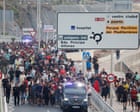
Madrid is demanding immediate action from the European Union after an extraordinary humanitarian crisis saw tens of thousands of people, including many children, breach the borders of the Spanish enclave of Ceuta from Morocco. The mass crossing, which occurred over Thursday and Friday, has led to at least 67 confirmed deaths, with victims perishing from drowning and crush injuries.
Spain's Prime Minister Pedro Sánchez did not mince words when addressing the EU’s fragmented response, criticising what he termed a “selfish, polarising and unlawful reaction” from some member states. His impassioned plea included an urgent call for a meeting of EU interior ministers to formulate a unified and humane strategy for managing future crises. Reuters World reported that Sánchez’s condemnation highlights the deep divisions within the bloc regarding migrant policy and border security, especially concerning its southern frontiers.
Unprecedented Influx Strains Resources
The sheer volume of individuals attempting to enter Ceuta overwhelmed local authorities and aid agencies. The enclave, a small Spanish territory on the North African coast, shares a highly fortified border with Morocco. However, reports suggest that Moroccan border guards largely stood down during the initial surge, leading to speculation about political motivations behind the sudden relaxation of controls.
The thousands who made the perilous journey faced immense dangers. Eyewitness accounts describe chaotic scenes, with many attempting to swim around breakwater barriers or scrambling over fences, often without adequate swimming skills or safety equipment. The Spanish Red Cross and other emergency services were stretched to their limits, providing immediate assistance, medical care, and temporary shelter to the new arrivals. The vast majority of those who crossed were young men, though families and unaccompanied minors were also present, adding a layer of complexity to the humanitarian effort.
A European Problem, Not Just a Spanish One
Prime Minister Sánchez emphasised that the crisis in Ceuta is not merely a Spanish problem but a European one, demanding a collective response. His remarks underscore a long-standing grievance among frontline EU states – such as Greece, Italy, and Spain – that they bear an disproportionate burden of migration pressure, while other wealthier northern European nations are reluctant to share responsibilities or resources. The EU’s external borders, including Ceuta, are often viewed as the first line of defence for the entire continent, yet funding and logistical support do not always reflect this shared interest.
Analysts suggest that the crisis may also be linked to diplomatic tensions between Spain and Morocco, particularly concerning the disputed territory of Western Sahara. While neither government has officially linked the migrant surge to these political disagreements, the timing has raised eyebrows among international observers.
The Human Cost of Geopolitics
The 67 confirmed fatalities represent a tragic human cost of geopolitical disputes and the desperation driving individuals to seek better lives. Each death is a stark reminder of the dangerous journeys undertaken by migrants and asylum seekers, often fleeing poverty, conflict, or instability in their home countries. Humanitarian organisations have renewed calls for safe and legal pathways for migration to prevent further loss of life.
The coming EU ministerial meeting is expected to be fraught, with Spain pushing for greater solidarity and tangible support, including financial aid and a more equitable distribution of asylum seekers across member states. The outcome will be closely watched, not only by affected nations but also by the thousands of individuals still hoping for refuge within Europe’s borders. The Sydney Daily News will continue to monitor developments in this escalating crisis.