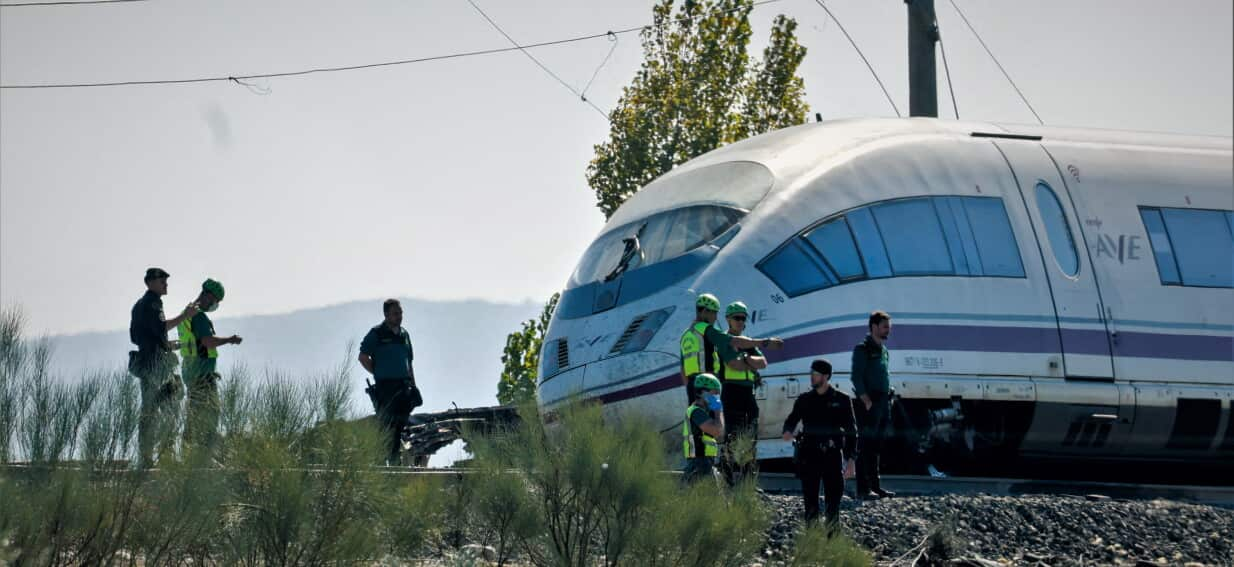
Spanish transport authorities are confronting mounting public fury after a passenger train derailment claimed at least 68 lives, triggering urgent investigations into what specialists have branded an inexplicable infrastructure failure.
The incident, which saw a high-speed passenger service jump the tracks before ploughing into trackside barriers, has plunged the nation into mourning and raised critical questions about European rail safety. As rescue crews continue to scour the mangled wreckage for survivors, safety analysts have expressed disbelief that such a catastrophe could transpire within a modern European Union member state.
Modern network fails fatal test
SBS News Top Stories reported that rail analysts have warned that a disaster of this scale simply should not happen in a modern EU country equipped with contemporary signalling technologies. Spain boasts one of the most extensive high-speed passenger rail networks in the world, having poured billions of dollars into upgraded tracks and carriages over the past three decades.
Yet the catastrophic failure of both onboard fail-safes and lineside monitoring systems has cast an uncomfortable spotlight on potential blind spots across the network. Preliminary assessments suggest the train was travelling at a velocity well in excess of the designated track limits when entering the curved section of the corridor. Why automated override mechanisms failed to decelerate the convoy remains the central mystery facing forensic crash investigators.
Human error versus automated safeguards
European rail regulations mandate multi-tiered safety protocols specifically designed to eliminate the risk of catastrophic human miscalculation. In advanced networks, automated train protection systems are engineered to intervene autonomously, bringing carriages to a halt if an operator exceeds critical speed thresholds or breaches a stop signal.
Industry observers note that while operational lapses can occur in any transit corridor, modern signalling architecture is fundamentally structured so that no single oversight can produce mass casualties. Investigators are now scrutinising whether an onboard transponder malfunctioned, whether trackside beacons were improperly calibrated, or whether safety systems had been deactivated or degraded during routine maintenance works.
International safety reverberations
The scale of the tragedy has resonated far beyond the Iberian peninsula, sparking concern across continental transport corridors that rely on interoperable safety architecture. Rail regulators across Western Europe have pledged technical assistance to Madrid, while domestic operators face uncomfortable inquiries regarding their own emergency braking redundancies.
Emergency services deployed hundreds of personnel, specialised cutting equipment, and heavy cranes to extricate passengers trapped beneath twisted metal. Hospitals in the surrounding province remain at surge capacity as medical teams treat dozens of critically injured commuters, many suffering severe crush trauma.
Pressure intensifies on Madrid
Political leaders in Madrid now face intensifying calls for an immediate, transparent, and independent inquiry into the regulatory oversight of the national rail agency. Opposition figures and passenger advocacy groups have demanded that all automated braking records and data black boxes be sequestered without delay.
With flags flying at half-mast and the official death toll expected to climb further, the disaster represents one of the deadliest rail catastrophes in modern European history. Until investigators can definitively account for the breakdown of the network's automated defences, public confidence in Spain's transit infrastructure will remain profoundly shaken.