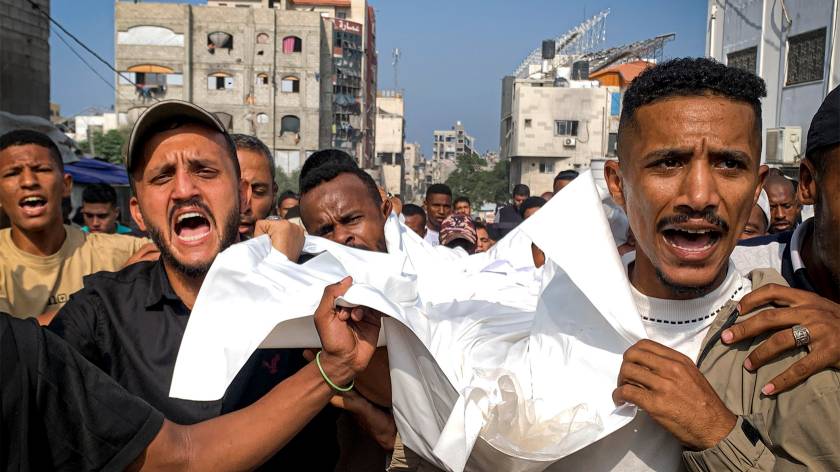
Independent United Nations experts have accused Israel of sustained war crimes and severe international law breaches in Gaza and the West Bank, amid warnings the damning findings will be largely ignored.
Severe Allegations Across Gaza and the West Bank
The independent panel, commissioned under the auspices of the UN Human Rights Council, concluded that Israeli forces have maintained systematic campaigns resulting in mass civilian casualties and infrastructural devastation. Crucially, the investigators highlighted that grave violations of humanitarian conventions are not confined to the shattered enclave of Gaza, but have sharply intensified across the occupied West Bank through state-backed settler violence, forced dispossession, and deadly military raids.
Despite intermittent diplomatic pauses and negotiated truces, the assessment outlined patterns of conduct equating to extermination and acts of genocide. The panel documented extensive destruction of vital medical, water, and agricultural infrastructure, which legal monitors argue deliberately inflicts conditions of life calculated to bring about the physical destruction of communities.
Cynicism and Western Diplomatic Inertia
The findings, however, are anticipated to prompt little more than rhetorical hand-wringing in Western capitals. As Crikey reported, the report arrives in an international climate where formal documentation of war crimes is routinely acknowledged with diplomatic boilerplate before being quietly shelved.
Analysts suggest that Western powers, led by Washington, remain fundamentally unwilling to alter their strategic posture or condition military aid on compliance with international humanitarian law. This inertia has created a profound disconnect between the formal pronouncements of multilateral institutions and the reality of enforcement mechanisms, effectively granting impunity to allied states regardless of the severity of findings compiled by accredited observers.
Australia Under Mounting Pressure to Act
In Canberra, the findings will intensify domestic debate over Australia's diplomatic response to the crisis. While the Albanese government has consistently reiterated support for international humanitarian law, sustained ceasefires, and the protection of civilian life, it has faced sustained criticism from human rights organisations and crossbench parliamentarians for declining to adopt punitive measures.
Legal advocates note that Australia, as a state party to the Rome Statute and the Genocide Convention, carries distinct international legal obligations. Critics argue that issuing generic statements of concern while maintaining bilateral defence industry ties and abstaining from unilateral sanctions undermines the credibility of the rules-based global order Australia frequently champions.
The Fading Authority of Multilateral Justice
The impending dismissal of the UN panel’s documentation underscores a broader existential crisis confronting the multilateral legal architecture established after the Second World War. With rulings from the International Court of Justice and arrest warrants sought by the International Criminal Court increasingly flouted, the global framework designed to deter state atrocities faces severe erosion.
Unless influential middle powers and traditional allies bridge the chasm between legal findings and foreign policy execution, international humanitarian law risks being relegated to a selective instrument applied solely against geopolitical adversaries.