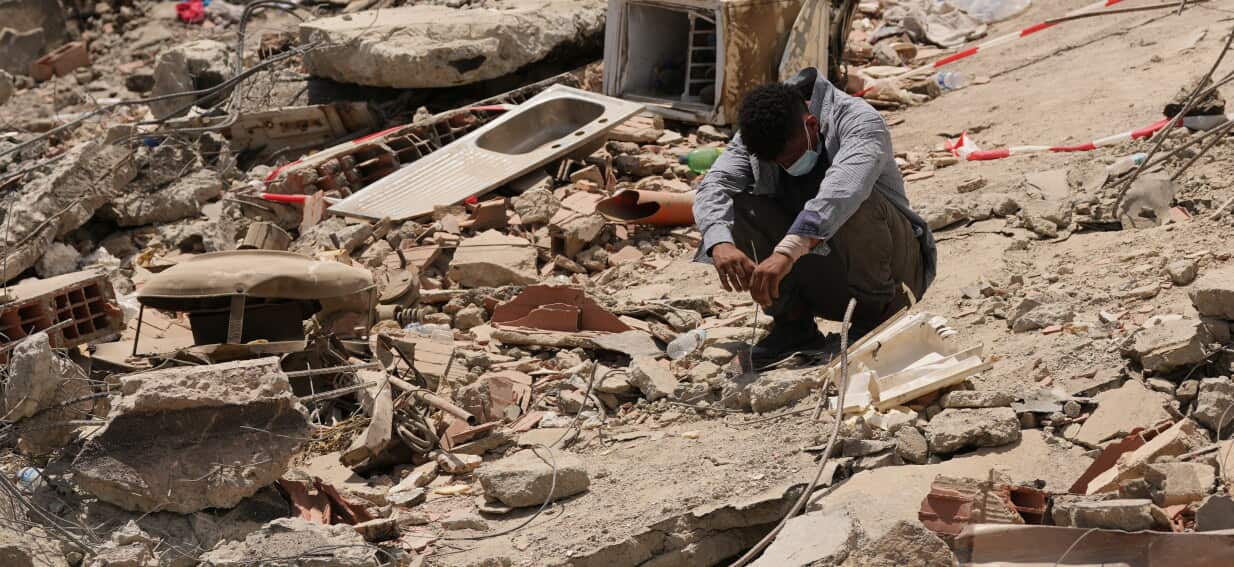
The strategic Sudanese city of el-Obeid, a critical transport hub in North Kordofan state, is teetering on the brink of an unprecedented humanitarian catastrophe, according to a stark UN warning. Officials fear the city could become the next el-Fasher, a grim reference to the devastating atrocities and widespread violence that engulfed the Darfuri city in 2025, leaving countless dead and displaced.
A City Under Siege
El-Obeid has been caught in the crossfire of Sudan’s brutal civil conflict, which reignited in April 2023 between the Sudanese Armed Forces (SAF) and the paramilitary Rapid Support Forces (RSF). The city's strategic location, anchoring key routes connecting Darfur to the capital Khartoum, makes it a highly contested prize. Control over el-Obeid is seen as vital for both factions, leading to a relentless struggle that has pushed its civilian population to the breaking point.
Al Jazeera reported on the escalating concerns, highlighting how intensified fighting around el-Obeid has crippled essential services and severely restricted humanitarian access. Residents are facing dire shortages of food, water, and medical supplies, with the local economy in tatters. The UN’s grave assessment suggests that if the current trajectory continues, el-Obeid could soon mirror the bloodshed and forced displacement that characterised the crisis in el-Fasher, where systematic attacks on civilians, including widespread killings and gender-based violence, became rampant.
Echoes of el-Fasher's Horror
The comparison to el-Fasher is particularly chilling for humanitarian observers. In 2025, el-Fasher endured a protracted siege and intense battles that led to massive civilian casualties and a deliberate campaign of destruction against infrastructure and communities. The UN’s Office for the Coordination of Humanitarian Affairs (OCHA) estimates that well over 500,000 people were displaced from el-Fasher and its surrounding areas, with many fleeing into neighbouring Chad, facing further hardship. The cost of such a disaster is incalculable in human terms, but economically, the recovery efforts are expected to run into the tens of billions of Australian dollars, placing an immense burden on international aid.
Experts suggest that the patterns of violence, including indiscriminate shelling, destruction of civilian infrastructure, and deliberate targeting of aid routes, are alarmingly consistent between the situations developing in el-Obeid and those seen in el-Fasher. There are growing fears of mass atrocities, including ethnic cleansing campaigns, given the diverse demographic makeup of el-Obeid and the historical precedent of ethnically targeted violence in Sudan's conflicts.
The Looming Humanitarian Disaster
The humanitarian situation in el-Obeid is already critical. Hospitals are struggling with dwindling supplies and staff, unable to cope with the influx of war-wounded and those suffering from preventable diseases. Food insecurity is rampant, with reports of children facing severe malnutrition. Aid agencies are finding it increasingly difficult to deliver assistance due to insecurity and bureaucratic hurdles imposed by both warring parties. A full-scale siege and collapse of el-Obeid would undoubtedly trigger a new wave of internal displacement on a monumental scale, exacerbating an already dire national crisis where millions are internally displaced and seeking refuge across borders.
International bodies are urging an immediate cessation of hostilities and unfettered humanitarian access to el-Obeid. However, appeals have largely fallen on deaf ears amidst the escalating conflict. Without urgent and decisive intervention, the UN’s grim prophecy for el-Obeid appears increasingly likely to become a tragic reality, adding another devastating chapter to Sudan's ongoing humanitarian nightmare.