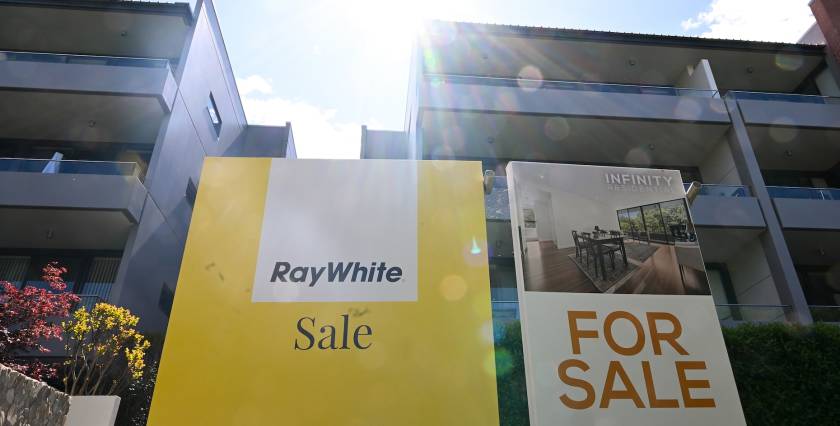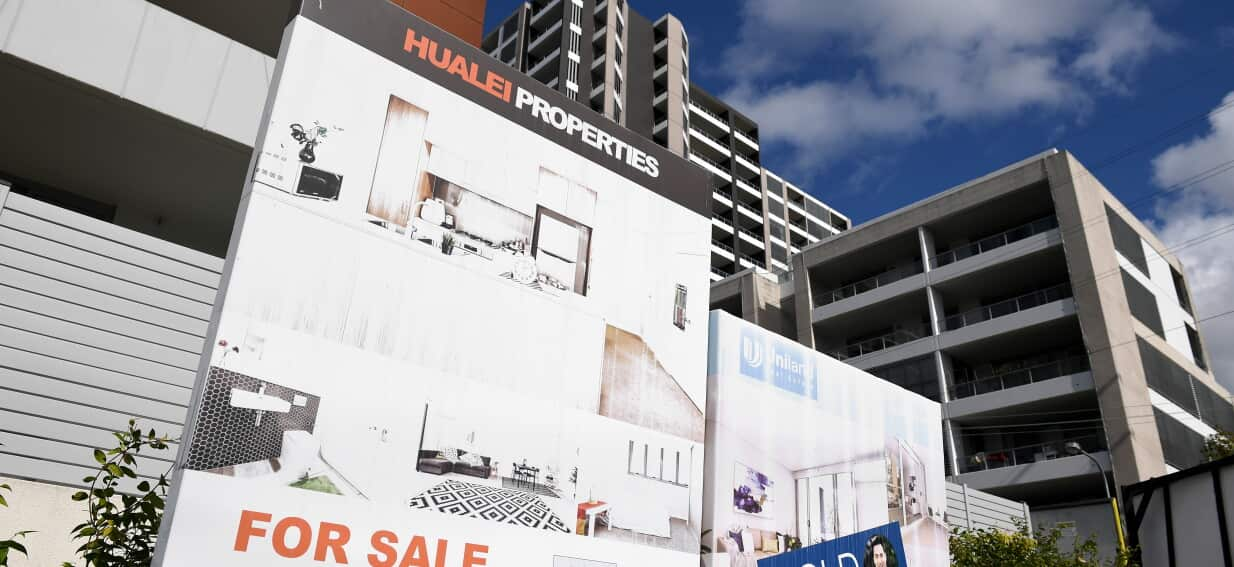
Sydney’s protracted residential property downturn has dragged dwelling values to fresh cyclical depths, yet stubborn affordability barriers ensure the dream of home ownership remains tantalisingly out of reach for everyday Australians.
While headline valuations continue to retreat across Sydney and other metropolitan centres, SBS News Top Stories reported that housing analysts caution the market remains fundamentally unaffordable despite the sustained cooling trend.
Stagnant Incomes Trail Surging Repayments
The paradox confronting prospective purchasers stems largely from the dramatic contraction in household borrowing capacity. Successive interest rate rises orchestrated by the Reserve Bank of Australia have outpaced the nominal declines recorded on auction clearance sheets and private treaty listings.
Although home values across Sydney have shed substantial ground from their pandemic-era peaks, the cost of servicing an average mortgage has escalated sharply. For typical working families, higher variable rates have effectively cancelled out any financial breathing room offered by softening vendor expectations. Financial institutions continue to apply rigorous serviceability buffers, disqualifying countless aspirational buyers who could have entered the market during prior downturns.
The Rental Squeeze Compounding Deposit Woes
Beyond serviceability metrics, the accumulation of an adequate deposit remains an almost insurmountable obstacle. Even as property values recalibrate downward, the entry requirement of a standard 20 per cent deposit requires hundreds of thousands of dollars in upfront capital, further inflated by state stamp duty liabilities.
Compounding this dilemma is the acute crisis across Sydney's private rental market. Vacancy rates hovering near historic lows have driven weekly rents to unprecedented heights, eroding disposable income and gutting the capacity of tenants to accumulate meaningful savings. Without generational wealth or family assistance, young buyers find that every dollar saved is progressively consumed by persistent cost-of-living pressures across basic household essentials.
Disconnect Between Price Falls and Real Capacity
Market commentators emphasise that cyclical price contractions should not be conflated with improved housing accessibility. Diminished sales volumes and cautious buyer sentiment indicate that rather than presenting bargain opportunities, the market is constrained by a broader economic squeeze.
Vendors in premium inner-ring postcodes are increasingly withholding stock rather than capitulating to heavy discounts, while peripheral suburban corridors—traditionally the domain of entry-level purchasers—have maintained relative price resilience. Consequently, the statistical slide in overall median values masks substantial regional variations, leaving lower-priced tiers fiercely competitive.
Long-Term Structural Headwinds Facing First-Home Buyers
Looking forward, economists maintain that lasting affordability will only be achieved through structural supply reform rather than temporary monetary interventions. Lingering constraints across the domestic construction sector, alongside elevated materials costs and acute skilled labour shortages, continue to limit dwelling completions across New South Wales.
Until substantial new housing density is integrated along transit corridors and systemic supply bottlenecks are resolved, falling house prices will offer little solace to those stranded on the periphery of Sydney's property ladder.