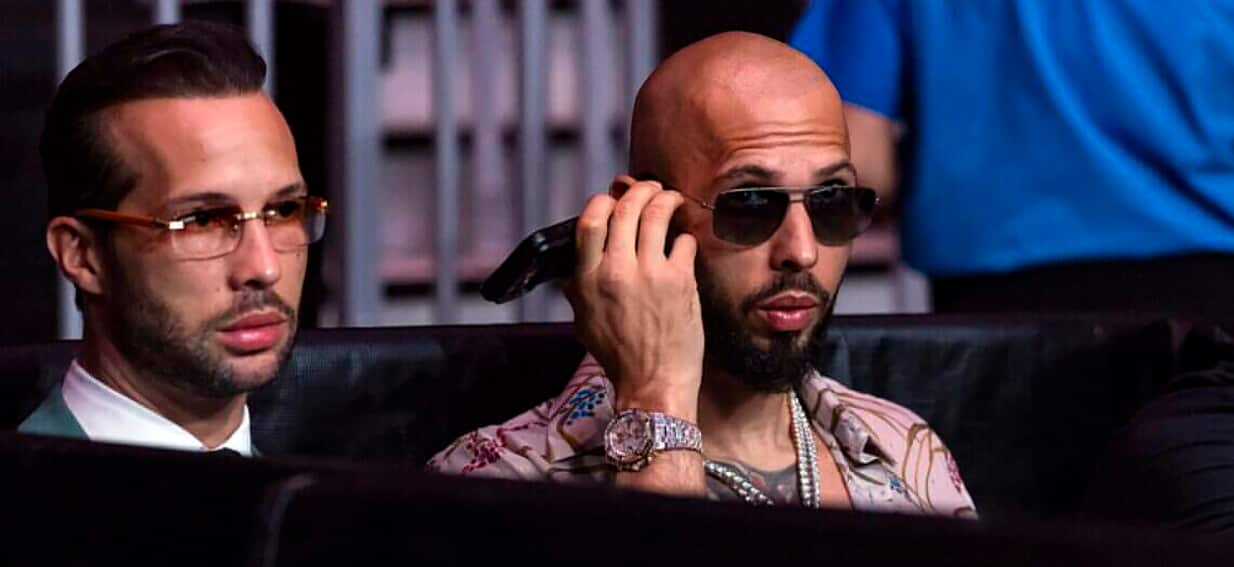
The high-profile Tate brothers, Andrew and Tristan, found themselves in American custody this week, signalling a fresh chapter in their ongoing legal woes as the United Kingdom formally seeks their extradition. The arrests, first reported by SBS News Top Stories, suggest British authorities are pursuing the duo in connection with allegations of sexual offences dating back several years.
The development marks a significant turn for the Tates, who gained notoriety through their online presence and a series of controversies. While specific details of the new charges remain under wraps, the extradition request indicates a more serious legal challenge than previous allegations they have faced. The brothers, known for their lavish lifestyles and often polarising commentary, have a history of navigating complex international legal landscapes, but this latest move by the UK poses a substantial new hurdle.
Long Arm of British Justice Extends
The extradition request from the United Kingdom underscores the enduring nature of justice, even across international borders. While based in Romania for an extended period, where they previously faced charges of human trafficking, rape, and forming an organised crime group, these latest allegations appear to stem from their time in Britain. The process of extradition from the US is notoriously intricate and can involve lengthy legal battles, potentially drawing out the proceedings considerably. Expert legal observers suggest that the British Crown Prosecution Service would have amassed substantial evidence before initiating such a complex international request, indicating a determined effort to bring the Tates before UK courts. The Tates' legal teams are expected to vehemently oppose the extradition, citing various grounds ranging from potential human rights infringements to the strength of the evidence itself.
A History of Legal Entanglements
Andrew and Tristan Tate are no strangers to legal scrutiny. Their period of detention in Romania, beginning in December 2022, drew global attention, with accusations ranging from human trafficking to forming an organised crime group. These charges, which the brothers have consistently denied, led to months of house arrest and travel restrictions. The current extradition request from the UK, however, points to an entirely separate set of alleged offences. This dual legal pressure from different jurisdictions highlights the multifaceted nature of the allegations against them and the various investigative threads being pursued by law enforcement agencies internationally. The previous Romanian case saw prosecutors allege that the brothers, along with two Romanian women, coerced victims into creating pornography for social media platforms, generating significant income for the alleged perpetrators.
Online Empire, Offline Consequences
The Tates amassed considerable wealth and influence through their online platforms, particularly Andrew Tate, who became a prominent figure in certain online communities. His embrace of controversial, often misogynistic, views garnered millions of followers but also led to bans from major social media platforms. His Top G brand and numerous online ventures, including an extensive cryptocurrency portfolio and a 'Hustler's University', reportedly generated millions of Australian dollars. However, this online empire has consistently been shadowed by allegations of wrongdoing, and these latest arrests serve as a stark reminder that digital fame does not insulate individuals from real-world legal accountability. The ongoing legal battles are likely to have significant implications for their brand and future commercial endeavours, regardless of the ultimate outcomes.
What Comes Next?
The immediate future for the Tate brothers involves a series of legal proceedings in the American courts to determine whether they can be extradited to the UK. This process typically involves hearings where legal arguments for and against extradition are presented. Should the American courts approve the extradition, the Tates would then be transferred into British custody to face the historical charges. This complex legal dance could span months, if not longer, depending on the number of appeals and legal challenges mounted by their defence teams. The Tates' substantial financial resources mean they are likely to engage top-tier legal representation, ensuring that the extradition battle will be hard-fought every step of the way.