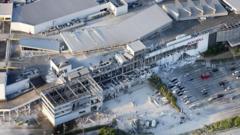
Japan was rocked by a devastating 7.1 magnitude earthquake overnight, triggering widespread alarm and reports of an explosion at a busy shopping centre in Kumamoto. The powerful tremor has left an unconfirmed number of people trapped inside the Aeon Mall, sparking fears for their safety as emergency services battle to assess the full extent of the damage.
The earthquake struck southern Japan, sending shockwaves across the region and leaving communities grappling with structural damage and disruption. While authorities are yet to confirm specifics, initial dispatches from BBC World reported concerns over a potential explosion at the bustling retail complex, which would significantly complicate rescue efforts already hampered by potential aftershocks and structural instability.
Panic Grips Kumamoto Shopping Precinct
Eyewitness accounts and early reports paint a grim picture from the Aeon Mall. Shoppers described scenes of pandemonium as the ground began to violently shake, sending merchandise crashing from shelves and causing panic among customers and staff. The alleged explosion, if confirmed, would represent a terrifying escalation in an already dire situation, raising questions about gas lines or electrical faults triggered by the seismic event. Rescuers are understood to be converging on the location, facing the dual challenge of potential collapses and the unknown status of those trapped within.
Images circulating on social media, while unverified by Australian media outlets, depicted significant structural damage to buildings in Kumamoto. Roads have reportedly buckled, and power outages are extensive, further impeding the response. Australian consular services in Japan have advised any Australians in the affected regions to prioritise their safety, follow local emergency directives, and contact loved ones to confirm their well-being.
Aftershocks Compound Humanitarian Challenge
The immediate aftermath of the initial quake has been fraught with danger, as a series of significant aftershocks have continued to buffet the region. These subsequent tremors are a major concern for rescue teams, as they can weaken already compromised structures and pose an ongoing threat to both trapped individuals and first responders. Each aftershock increases the risk of further collapses, making the race to locate and extract survivors even more precarious. The Japanese Meteorological Agency has issued warnings for residents to remain vigilant and brace for further seismic activity in the coming days.
The potential for further structural damage also means that access to affected areas is challenging, with debris-strewn roads and damaged infrastructure slowing the movement of emergency vehicles. Hospitals in Kumamoto are reportedly on high alert, preparing for a potential influx of casualties, though the full human toll is not yet clear. The Australian dollar, while not directly impacted by the immediate news, will be closely watched in the coming days for any ripple effects on global markets.
Japan's Seismic Preparedness Tested Again
Japan is one of the world's most seismically active nations, boasting highly advanced building codes and disaster preparedness systems. However, an earthquake of this magnitude, particularly with the added complexity of a potential explosion at a populated site, will test these systems to their absolute limits. The focus will now shift to the efficiency of the Japanese disaster response, known globally for its speed and organisation. Over the coming hours and days, a clearer picture of the damage and casualties will emerge, but for now, the priority remains the urgent rescue of those believed to be trapped within the devastated Aeon Mall and other affected areas.