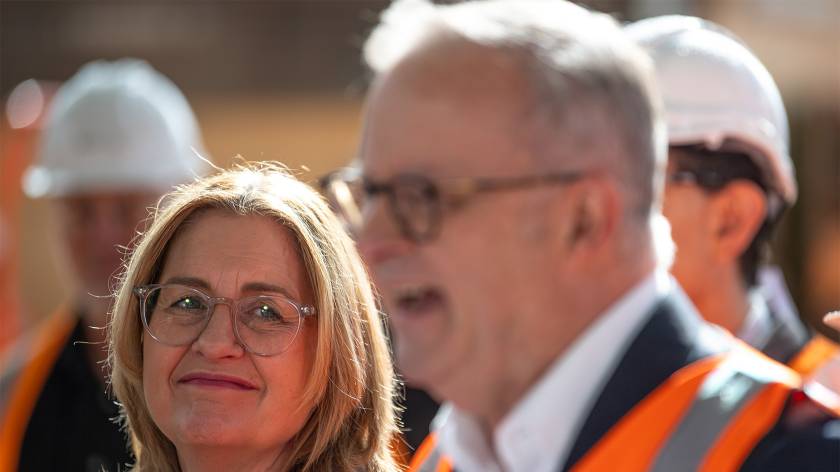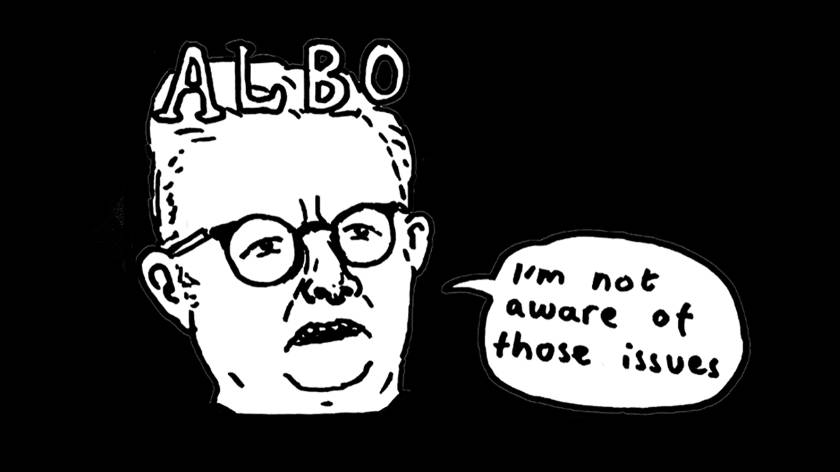
Prime Minister Anthony Albanese's communication style has become a topic of considerable fascination, with his perceived ability to sidestep straightforward questions drawing comparisons from one prominent Australian news outlet to a meticulously crafted art form. The Prime Minister's approach to media engagements, often characterised by steering discussions towards preferred talking points rather than directly addressing inquiries, has been dissected and debated across the political spectrum.
The Albo Playbook: A Political Art Form?
Crikey, a leading independent news and analysis website, recently published a piece humorously (or perhaps pointedly) titled "Acting as evasive as Albo: A guide." The article suggested that when confronted with a direct question, the optimal strategy, particularly in a political context, might be to channel the Prime Minister's well-honed technique. This observation highlights a growing public awareness of Mr. Albanese's communication tactics, which typically involve pivoting from a potentially challenging query to a broader narrative or a previously articulated government achievement.
Political analysts suggest this approach can serve multiple purposes. For the Prime Minister, it can be a way to avoid gaffes, control the news cycle, and maintain message discipline. By not directly engaging with potentially detrimental lines of questioning, the government can attempt to dictate the terms of public debate. However, critics argue that such evasiveness can also frustrate the public and the media, leading to accusations of a lack of transparency or accountability. The perceived lack of direct answers can breed cynicism, undermining public trust in political leadership.
Walking the Tightrope of Transparency
The balancing act between strategic communication and perceived obfuscation is a perilous one for any political leader. While a degree of message control is expected from every government, consistently sidestepping questions can create a perception of being out of touch or, worse, having something to hide. Mr. Albanese's communication style is now so distinctive that it has become a recognizable characteristic of his premiership, almost a political brand in itself.
This isn't to say that the Prime Minister never answers questions directly, but observers, including Crikey, have noted a discernible pattern. For instance, when asked about specific policy details or contentious issues, Mr. Albanese might frequently opt to reiterate the government's overarching vision or commitment to a particular outcome, rather than delving into the specifics requested. This can leave journalists and the public feeling that while words have been spoken, a definitive answer remains elusive.
Public Perception and the Political Cost
The long-term implications of this communication strategy for the Albanese government remain to be seen. On one hand, supporters might view it as a shrewd and effective way to manage the media landscape and avoid unnecessary political skirmishes. On the other, a significant portion of the electorate could interpret it as a lack of forthrightness, potentially eroding confidence in the government's willingness to engage openly with challenging issues. Maintaining a favourable public perception is critical, and a repetitive pattern of perceived evasiveness could eventually incur a political cost.
In an era of increasing demand for transparency and accountability from public figures, the Prime Minister's communication style will undoubtedly continue to be scrutinised. Whether it evolves into a widely accepted and effective political tool or becomes a source of public frustration will largely depend on how the electorate ultimately interprets and reacts to the 'Albo Playbook' of political responses. The question for Australians might become not just what the Prime Minister says, but what he doesn't say, and what that silence truly signifies.