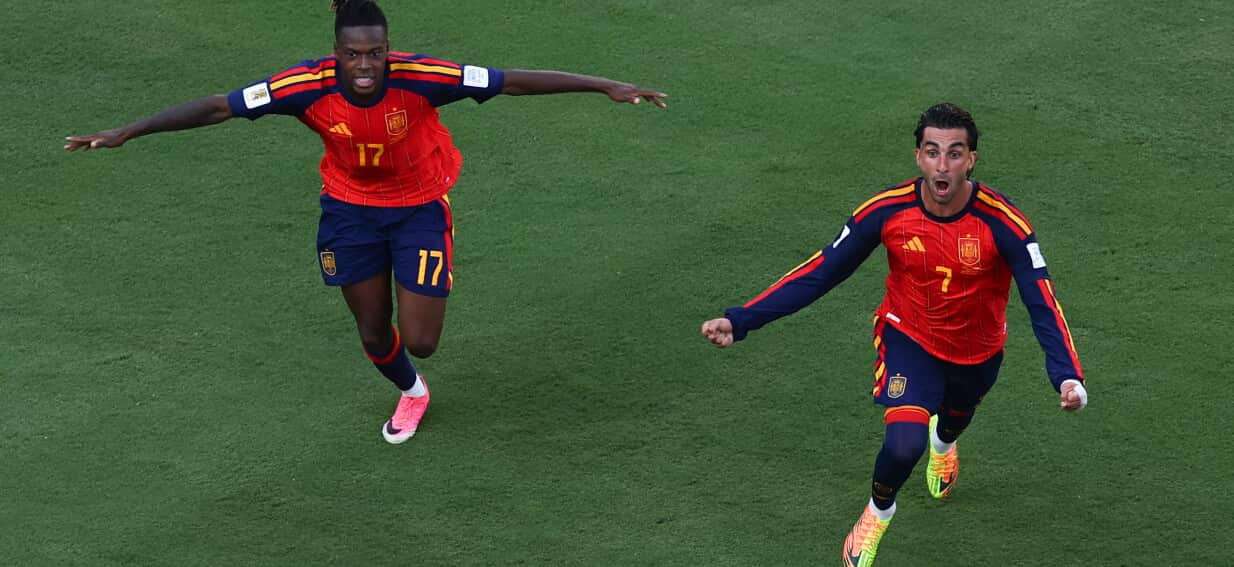
Sydney, Australia – Spain has been crowned champions of the world, prevailing 1-0 in a hard-fought World Cup final that stretched into extra time. The decisive goal, an exquisite strike from substitute Ferran Torres in the 106th minute, broke a deadlock that had epitomised a game of immense pressure and tactical attrition.
The victory marks a monumental achievement for the Spanish squad, a testament to their resilience and attacking prowess under the greatest scrutiny. The final whistle was met with an explosion of red and yellow confetti, and the jubilant roars of their supporters echoed across the stadium, a sound that will resonate throughout the footballing world for years to come. SBS News Top Stories reported on the dramatic conclusion, highlighting the super-sub’s pivotal moment.
A Strategic Stalemate
For 90 minutes of regular play, neither side was able to break through the opposition's defensive lines, creating a tactical stalemate that, while frustrating for some spectators, underlined the high stakes of the occasion. Both teams adopted cautious approaches, prioritising possession and patient build-up over high-risk attacking forays. Opportunities were scarce, with defences holding firm and goalkeepers rarely tested to their absolute limits during the initial stages. The midfield battle was particularly intense, with both sets of players displaying an admirable work rate and discipline, effectively cancelling out each other's creative efforts. The tension in the stadium was palpable, a quiet hum punctuated by gasps and groans as fleeting chances came and went.
The Impact of Fresh Legs
As the game wore on into extra time, the physical demands began to tell. Legs grew heavy, and spaces, previously non-existent, started to appear. It was in this environment that the introduction of Ferran Torres proved a masterstroke. His fresh legs and attacking impetus immediately injected a new dynamic into Spain's play. The substitution demonstrated a keen understanding of the flow of the game by the Spanish coaching staff, recognising the need for a spark to ignite their offensive efforts against a tiring defence. Torres, known for his incisive runs and clinical finishing, did not disappoint, seizing his moment with remarkable composure under immense pressure.
The Decisive Strike
The breakthrough arrived just past the midway point of the second period of extra time. A quick exchange of passes on the edge of the penalty area saw the ball fall to Torres. With a defender closing in, he unleashed a powerful and precise shot that left the opposing goalkeeper with no chance, nestling expertly into the top corner of the net. The stadium erupted, a collective release of tension and an outpouring of unadulterated joy. It was a goal worthy of winning any final, a moment of individual brilliance that will forever be etched into World Cup folklore and the annals of Spanish footballing history. The sheer quality of the finish underscored the talent within the Spanish squad, even after a gruelling 106 minutes of play.
A Nation Celebrates
The final minutes were a desperate scramble, with the opposition throwing everything forward in search of an equaliser, but Spain's defence, buoyed by their lead, held firm. The final whistle was met with unbridled elation from the Spanish bench and stands. This World Cup triumph will undoubtedly be celebrated across Spain, from the bustling streets of Madrid to the sun-drenched beaches of Barcelona. The economic impact of such a victory, while difficult to quantify precisely, is likely to be substantial, with a surge in national pride potentially boosting everything from tourism to merchandise sales. The estimated value of the World Cup trophy itself, in terms of global prestige and advertising revenue for the winning nation, runs into many millions of Australian dollars.