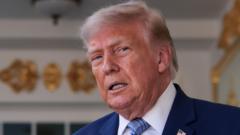
In a move that underscores the deepening rift between two historically close allies, Canada officially opened the Gordie Howe International Bridge this week, but with a notable absence: the United States.
The highly anticipated ribbon-cutting ceremony, originally planned as a joint spectacle spanning the Detroit River, was unilaterally cancelled by Ottawa. Instead, the milestone inauguration proceeded solely on Canadian soil, a stark symbol of the escalating trade tensions that have increasingly frayed diplomatic ties.
The multi-billion dollar infrastructure project, a crucial link between Windsor, Ontario, and Detroit, Michigan, has been hailed as an engineering marvel and a vital artery for the lucrative trade corridor. However, what should have been a moment of shared celebration has instead become a poignant indicator of the political chasm widening between the two North American neighbours.
A Bridge Built for Billions, Soured by Disputes
The Gordie Howe International Bridge, with an estimated cost expected to exceed $5.7 billion AUD, is designed to bolster trade and tourism, offering a more efficient crossing for the millions of dollars worth of goods that traverse the border daily. Its construction, a testament to decades of planning and cross-border cooperation, was intended to be a beacon of shared economic prosperity. Yet, Al Jazeera reported that the ceremonial opening was relegated to a solitary Canadian affair, a direct consequence of the souring bilateral relationship.
Industry analysts in Australia have watched the developments with keen interest, noting the parallels with global trade protectionism. "It's a clear signal that even the strongest economic partnerships aren't immune to political headwinds," remarked Dr. Amelia Hayes, an international trade expert at an Australian university, speaking broadly on such issues. "When infrastructure projects like this, designed to facilitate trade, become symbols of division, it’s a concerning trend for global commerce."
From Amity to Acrimony: The Trade War Intensifies
The decision to cancel the joint ceremony highlights the ongoing trade skirmishes that have plagued US-Canada relations in recent years. Disputes over tariffs on steel and aluminium, dairy products, and timber have simmered, periodically boiling over into open conflict. Ottawa's move to proceed with a Canada-only event reflects a growing frustration with Washington's protectionist stance and perceived disregard for long-standing agreements.
The absence of American officials at such a pivotal event sends a potent message: Canada is prepared to assert its sovereignty and express its displeasure, even on projects of mutual benefit. The symbolism is not lost on observers who note that this strategic snub indicates a deepening of the trade war, moving beyond mere economic friction to impact diplomatic protocol.
Economic Fallout and Future Implications
While the bridge itself is projected to significantly boost economic activity on both sides of the border once fully operational, the current diplomatic chill could dampen its immediate benefits. Businesses on both sides of the Canada-US border, already navigating complex tariff landscapes, now face an uncertain future regarding cross-border collaboration.
The Canadian government has maintained that the bridge will proceed as planned, focusing on its economic advantages for Canadian industries. However, the lack of joint celebration underscores the significant trust deficit that has developed. As Al Jazeera reported, the decision to open the bridge without its American counterparts is seen by many as a calculated move by Ottawa to both acknowledge the achievement and subtly protest the state of cross-border relations. The Gordie Howe International Bridge, designed to unite, has instead become an unexpected monument to discord.