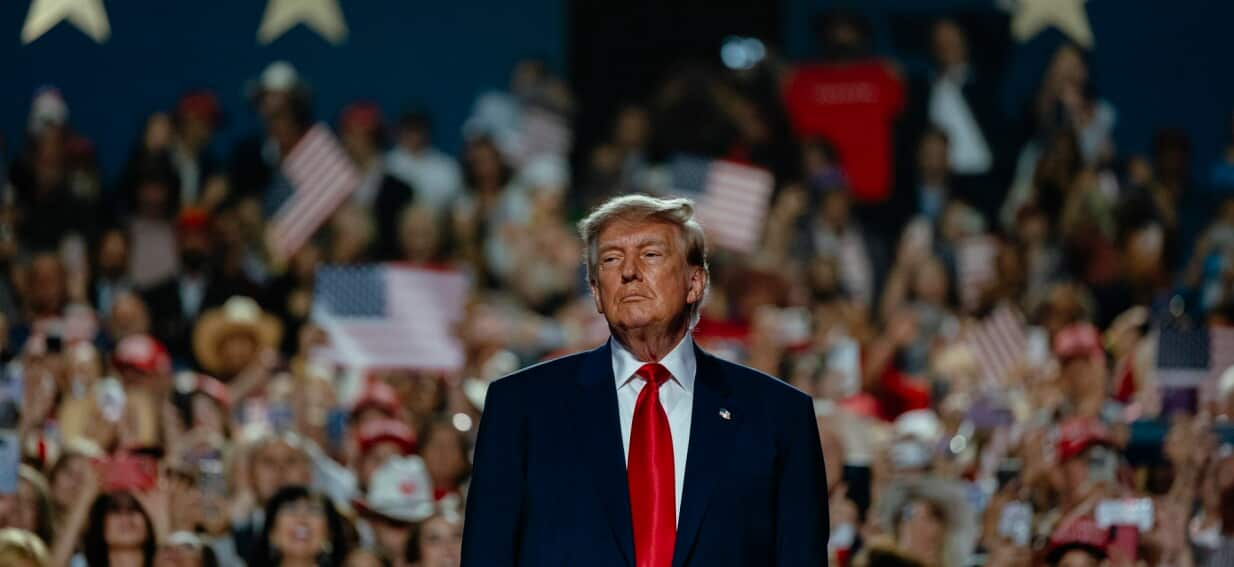
Embattled US Republicans are bracing for a punishing electoral reckoning as fresh national polling reveals six in ten Americans disapprove of Donald Trump's performance ahead of crucial congressional midterm elections.
According to an NBC News survey, 60 per cent of American voters now reject the standard of governance emanating from the conservative leadership, a steep repudiation that has injected volatile momentum into the campaign trail. SBS News Top Stories reported that the intensifying public dissatisfaction has left Democratic strategists "nauseously optimistic" about their prospects of reclaiming legislative ground in Washington, even as unpredictable economic conditions continue to shadow the contest.
Plunging approval ratings rattle Republican ranks
The figures represent one of the starkest assessments of the administration's political vulnerability to date. Independent voters, whose shifting loyalties traditionally dictate the outcome of fiercely contested suburban electorates, appear to be deserting the conservative coalition in substantial numbers.
Party strategists fear that compounding domestic controversies and persistent political friction are drowning out key legislative messaging. Republican candidates in moderate districts across the rust belt and Sunbelt states have consequently been forced to recalibrate their campaign strategies, acutely conscious that overt alignment with Trump could mobilise conservative bases while alienating essential centrist electors in the general ballot.
Anxious Democrats eye Capitol Hill revival
Despite the encouraging survey trajectory, Democratic headquarters harbour an acute awareness of the perils inherent in midterm cycles. The prevailing mood of cautious optimism reflects a lingering trauma from past polling miscalculations and unexpected shifts in voter sentiment.
Campaign operatives recognise that anti-incumbency sentiment remains an unpredictable political weapon. While deep voter dissatisfaction offers a clear target, widespread cynicism and fatigue could blunt turnout among progressive cohorts, particularly younger electors and minority communities whose high participation rates remain essential to securing victories in tight contests.
Economic headwinds test White House defence
The broader economic climate continues to dictate the political arithmetic. Lingering cost-of-living pressures, elevated interest rates, and household budget strain remain foremost in the minds of working-class families across key battleground states.
While conservative incumbents have sought to point to broader market resilience and job growth figures, these macro-level indicators have struggled to offset the immediate pinch felt by voters at the checkout. Conservative strategists maintain that basic hip-pocket nerve concerns will ultimately dictate voter behaviour once ballots are cast, potentially blunting the broader moral backlash captured in nationwide polling.
Strategic ripples felt across the Pacific
For Canberra, the looming contest carries substantial diplomatic and strategic significance. A gridlocked or opposition-controlled US Congress would inevitably restrict executive decision-making, complicating long-term planning for trade frameworks, climate agreements, and regional security initiatives across the Indo-Pacific.
As the American electorate prepares for a tense final sprint to the ballot box, the repercussions will extend well beyond domestic governance. Australian policymakers will be watching closely to determine whether this latest public revolt represents a fleeting mid-term rebuke or a lasting realignment in the world's most influential democracy.