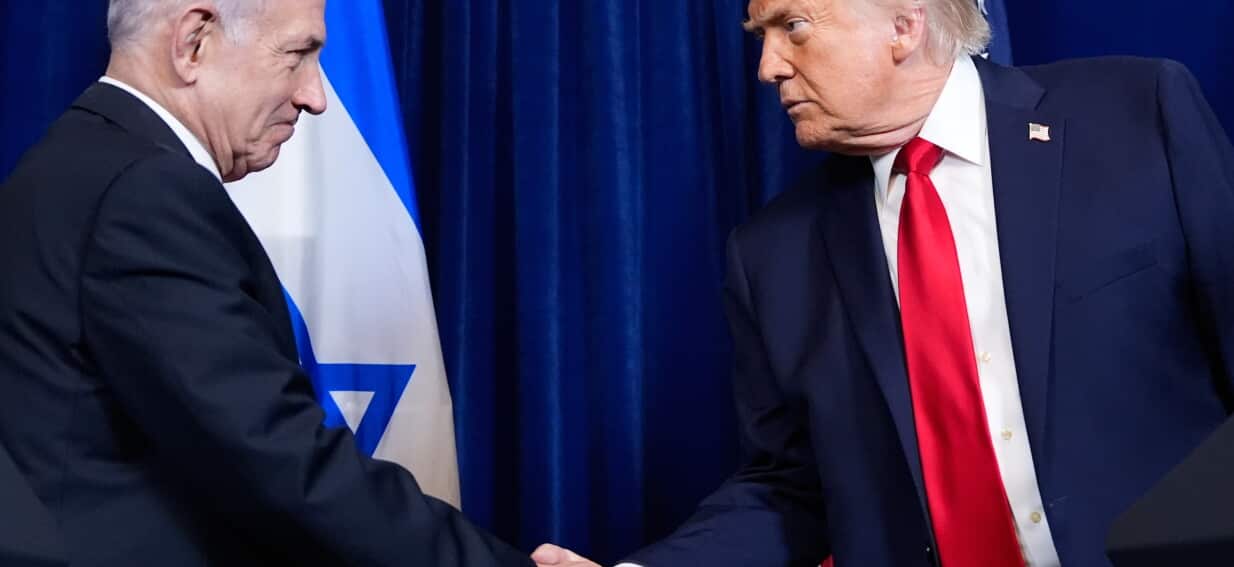
Donald Trump, the former US President and presumptive Republican nominee, is reportedly experiencing a significant recalibration of his international affections, with Israeli Prime Minister Benjamin Netanyahu finding himself increasingly in the former President’s bad books. Conversely, Trump's once-strained dynamic with Ukrainian President Volodymyr Zelenskyy seems to be undergoing a noticeable thaw.
Strained Bonds with Bibi
The relationship between Trump and Netanyahu, once a bedrock of their respective political personas, has frayed considerably in recent times. Sources close to the former US President suggest a growing irritation and even resentment towards the Israeli leader. This shift is particularly striking given the overt camaraderie and mutual ideological alignment that characterised their time sharing the global stage.
SBS News Top Stories reported that Trump has voiced his displeasure concerning Netanyahu, though the specific grievances remain somewhat opaque. Speculation among political commentators points to a confluence of factors, including Trump's perception of a lack of reciprocal loyalty during challenging periods of his presidency, and perhaps differing strategic priorities in the volatile Middle East. The sheer longevity of Netanyahu's political career, punctuated by internal Israeli political turbulence and recent international scrutiny regarding the conflict in Gaza, may also be contributing to the former President’s disillusionment.
“It’s a stark departure from the bromance we witnessed during Trump’s presidency,” noted one foreign policy analyst speaking generally about shifts in international relations. “The political landscape has changed dramatically since then, and Trump’s calculus likely has too, especially with an eye on his potential return to the White House.”
The Zelenskyy Embrace
In a fascinating counterpoint, Trump's interactions with Ukrainian President Volodymyr Zelenskyy – once synonymous with the impeachment inquiry that clouded much of his first term – are reportedly warming. This development marks a significant departure from the 'quid pro quo' allegations that dominated headlines and saw Trump accused of leveraging military aid to pressure Kyiv into investigating political rivals.
The initial contact between the two leaders was, to put it mildly, fraught. However, SBS News Top Stories indicates a more convivial atmosphere now pervades their communication. The reasons behind this unexpected rapprochement are multifaceted. Trump, ever the pragmatist, might be recognising the strategic importance of Ukraine in the ongoing conflict with Russia, or perhaps he sees an opportunity to assert his influence on the European stage. Zelenskyy, for his part, would undoubtedly be keen to maintain lines of communication with a potential future US President, regardless of past disagreements, particularly given the crucial role of US aid in Ukraine's defence.
Geopolitical Chess Moves
This reordering of Trump's favoured international partners carries substantial implications for global geopolitics, particularly if he secures a second term in the Oval Office. A less sympathetic White House towards Netanyahu could impact Australia’s own diplomatic tightrope walk in the Middle East, while a more amenable stance towards Zelenskyy might offer some stability to the Western alliance supporting Ukraine.
Observers are watching closely to see how these evolving relationships might translate into policy. A shift away from Netanyahu could signal a broader re-evaluation of US foreign policy in the Levant, potentially impacting peace efforts and regional stability. Conversely, an alliance, even a tentative one, with Zelenskyy could reshape the narrative around the conflict in Eastern Europe and the future of NATO.
A New World Order (According to Trump)
The former President’s mercurial nature and transactional approach to international relations mean that these reported shifts, while significant, should be viewed with a degree of circumspection. However, the apparent cooling towards Netanyahu and the burgeoning warmth with Zelenskyy underscore a dynamic and unpredictable foreign policy approach that could well define a potential second Trump administration.
Australian foreign policy experts will undoubtedly be monitoring these developments closely, as changes in the US's closest alliances and rivalries have a downstream effect on Australia's own strategic interests and its relationships within the Indo-Pacific and beyond. The cost of navigating these shifting sands, both diplomatically and potentially economically, could be substantial, running into millions of Australian dollars annually for defence and aid commitments that are tied to global stability.