Two Australians have been confirmed among the 69 people killed in last week's catastrophic high-speed rail collision in Spain, forensic authorities in Madrid announced late on Monday.
The update follows the formal identification of three further casualties, comprising the two unnamed Australians and a Japanese national, The Guardian Australia reported. The identification taskforce, established by judicial authorities and comprising forensic specialists alongside national police units, continues the painstaking task of identifying remains recovered from the wreckage.
Complex forensic identification in Madrid
Spanish judicial authorities confirmed that forensic teams have been working continuously to cross-reference DNA profiles, dental records, and personal effects retrieved from the disaster zone. The legal body set up to coordinate the process announced that while the nationalities had been verified, the formal release of the victims' names remains withheld pending full notification of immediate family members.
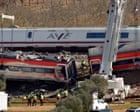
The identification effort has presented severe challenges for forensic teams due to the speed and violent force of the collision, which caused several passenger carriages to derail and crumple upon impact. Specialist teams have been deployed to assist with international liaison, ensuring foreign diplomatic missions receive verified information as rapidly as forensic protocols permit.
Impact on Spain’s high-speed network
The disaster occurred last week when two high-speed passenger services collided along a critical rail corridor, marking one of the deadliest rail accidents in modern Spanish history. The confirmed death toll reached 69 following the latest forensic assessments, with dozens of other passengers receiving ongoing medical treatment for severe injuries in regional hospitals.
Spanish transport safety investigators are continuing their examination of signalling infrastructure, technical event recorders, and track telemetry to establish why two trains were operating on the same section of line. Emergency personnel worked for days amidst precarious conditions to search the crushed carriages, which caught fire shortly after the impact.
Consular assistance mobilised for families
The Department of Foreign Affairs and Trade routinely provides consular support to the families of Australian citizens caught in mass-casualty incidents abroad. Consular officials in Madrid are liaising with Spanish emergency management authorities and judicial bodies to assist the bereaved families.
Under standard consular procedures, the Australian government provides logistical guidance to families navigating foreign bureaucratic frameworks, including the formal registration of deaths and the repatriation of remains to Australia. Support services are also being made available to relatives requiring travel assistance to Spain during the formal identification and inquiry stages.
Broadening inquiry into European rail safety
The scale of the disaster has prompted renewed scrutiny of rail infrastructure management and automatic train protection protocols across Europe. The network segment involved in the crash had carried millions of passengers, including substantial numbers of international tourists travelling between major urban centres.
Independent transport investigators have pledged a comprehensive public report into the disaster, focusing on operational redundancies and trackside alert mechanisms. Memorial services have taken place near the crash site as local communities and international authorities pay tribute to those who lost their lives.