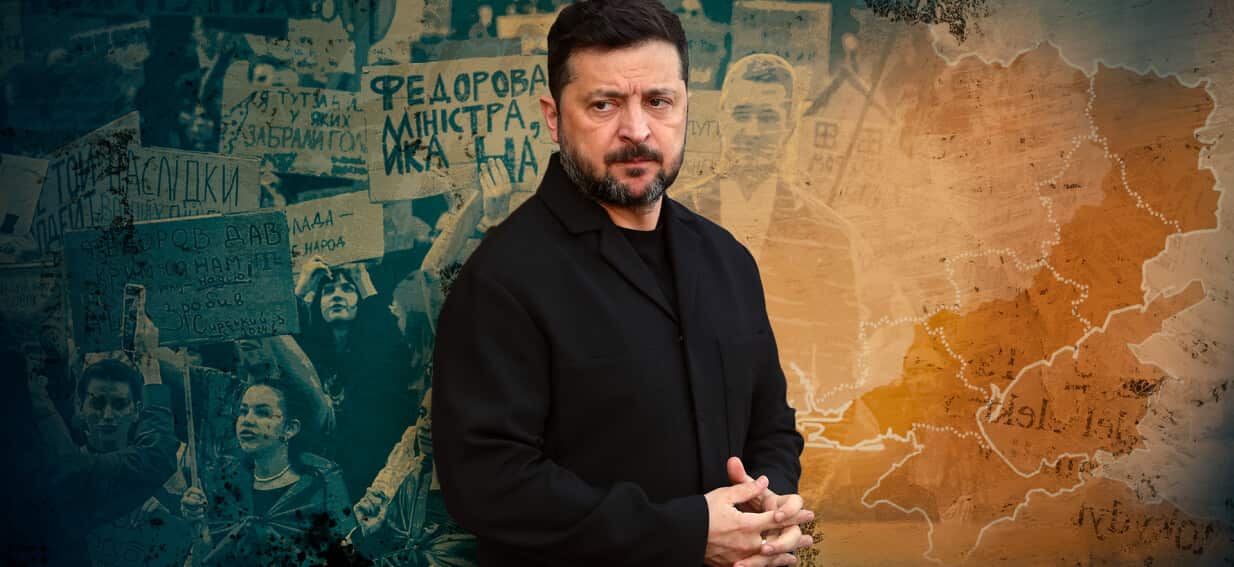
KYIV – The protracted and brutal war against Russia has thrust Ukrainian President Volodymyr Zelenskyy into the global spotlight as a wartime leader. Yet, while international attention remains largely fixed on the eastern front, a more insidious battle is brewing within Ukraine's political heartland, threatening to undermine national cohesion and Zelenskyy's authority.
A recent military shake-up, including the high-profile dismissal of Commander-in-Chief Valerii Zaluzhnyi, has offered a temporary reprieve from escalating internal tensions. However, according to an analysis by SBS News Top Stories, this manoeuvre has simultaneously laid bare the deep-seated political strains now fracturing Ukraine as the conflict grinds on with no end in sight.
The Weight of a Weary Nation
For nearly two years, Ukrainians have endured relentless bombardment, economic hardship, and the profound trauma of war. While initial patriotic fervour united the nation against the common enemy, the sheer duration and intensity of the conflict are chipping away at public morale and, consequently, political stability. The initial 'rally around the flag' effect, common in times of national crisis, appears to be waning, replaced by growing fatigue and frustration over strategic setbacks and seemingly endless casualties.
Zelenskyy, initially lauded for his unwavering resolve and communication prowess, now faces the unenviable task of sustaining national unity when the hope of swift victory has dimmed. The longer the war persists, the more fertile the ground becomes for critical voices and political rivals to emerge, questioning military strategy, governmental effectiveness, and even the ultimate cost of resistance.
Shifting Sands in Kyiv's Power Corridors
The shake-up of top military brass, particularly the removal of General Zaluzhnyi – a figure popular with the public and widely credited with successful early defence efforts – has sent ripples through Kyiv. While official explanations cited the need for a fresh approach to the war effort, many observers view it through a political lens, suggesting a pre-emptive move by Zelenskyy to consolidate power and address potential threats to his leadership.
SBS News Top Stories highlighted that such high-level changes, while sometimes necessary in wartime, can also signal deeper rifts within the country's leadership structure. The perception of internal discord, whether real or exaggerated, risks eroding public trust in institutions essential for maintaining a united war effort. It also provides fodder for Russian propagandists keen to exploit any signs of weakness or division within Ukraine.
Economic Strain Fuels Discontent
Beyond military strategy and political positioning, the economic toll of the war is a significant driver of internal discontent. Ukraine's economy has been ravaged, with massive infrastructure damage, displaced populations, and disrupted trade routes. While substantial international aid, including billions of Australian dollars from allies like Australia, has kept the country afloat, the economic outlook remains grim.
Ordinary Ukrainians face unemployment, inflation, and the constant struggle to rebuild lives amidst ongoing destruction. These economic realities, coupled with the human cost of the war, inevitably translate into increased pressure on the government to deliver tangible results and a clear path to peace, or at least a sustainable future. Failure to adequately address these domestic concerns risks further alienation of the populace, making Zelenskyy's task of navigating Ukraine through this protracted conflict even more precarious.