Australia's housing crisis, a multifaceted beast of soaring rents, unattainable homeownership, and dwindling supply, has long dominated headlines. However, a recent probe by independent news outlet Crikey has spotlighted a curious editorial slant from a major tabloid and, more significantly, unearthed questions surrounding a new, well-funded digital campaign advocating for housing solutions.
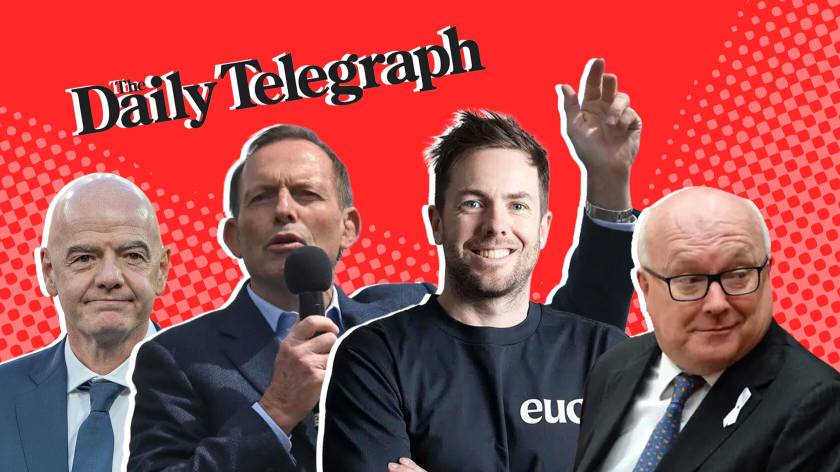
Crikey’s ‘The Snoop’ column recently delved into how even the Daily Telegraph, a publication often associated with sensationalism, has joined the chorus, albeit with a particular emphasis. While the broader media landscape grapples with the systemic issues driving housing unaffordability, the Telegraph reportedly honed in on an unexpected angle: the alleged impacts of short-term rental platforms on housing availability. This focus, while not entirely without merit, raises questions about potential diversions from more entrenched structural problems within the housing market.
The Telegraph's Short-Term Rental Spotlight
For months, the national conversation has revolved around interest rate hikes, insufficient land release, and population growth as primary drivers of the housing squeeze. Yet, Crikey observed the Daily Telegraph pivoting to extensively cover the role of platforms like Airbnb in exacerbating rental shortages. While some studies suggest a link between short-term rentals and reduced long-term housing stock in specific areas, particularly tourist hotspots, experts generally agree it represents only one facet of a much larger and more complex issue.
Economists and housing advocates frequently point to decades of underinvestment in social housing, restrictive zoning laws, and a tax system that incentivises property speculation as more significant contributors to the current crisis. The Daily Telegraph's spotlight on short-term rentals, while providing fodder for local grievances, risks oversimplifying a crisis demanding comprehensive policy responses rather than singular scapegoats. Crikey's report implicitly suggests this editorial direction might be a more palatable narrative for some audiences than confronting the deep-seated economic and policy failures.
Unravelling Build Australia's Origins
Adding another layer to the housing narrative, Crikey's investigation also turned its attention to ‘Build Australia’, a ubiquitous new campaign that has rapidly permeated social media feeds and online discussions. The campaign, which advocates for increased housing supply and streamlined development approvals, presents itself as a grassroots movement, yet its sophisticated digital presence and widespread reach hint at substantial backing.
Crikey raised pertinent questions about the identity of the entities bankrolling Build Australia. The campaign's slick graphics, targeted advertising, and consistent messaging suggest considerable financial resources and strategic planning, typically indicative of well-established lobby groups or industry associations rather than purely spontaneous citizen action. The opacity surrounding its funding and organisational structure has prompted concerns among housing policy analysts who seek transparency regarding the vested interests influencing public discourse on such a critical national issue. Without clear disclosure, it becomes challenging for the public to discern the motivations and potential beneficiaries behind the campaign's policy recommendations.
The Broader Implications for Public Discourse
The dual revelations from Crikey underscore the complex and often murky landscape of public debate surrounding Australia's housing crisis. On one hand, traditional media outlets can, intentionally or otherwise, frame the narrative in ways that divert attention from fundamental issues. On the other, ostensibly independent advocacy campaigns can emerge fully formed, pushing specific agendas without clearly revealing their origins or financial support.
Both instances highlight the importance of critical media consumption and the need for greater transparency in political and social campaigns. As Australians continue to grapple with escalating housing costs, understanding who is shaping the conversation, and why, becomes paramount. The insights offered by Crikey serve as a timely reminder that not all narratives are created equal, and some may serve interests beyond the common good, even in the earnest pursuit of solutions to our housing woes.