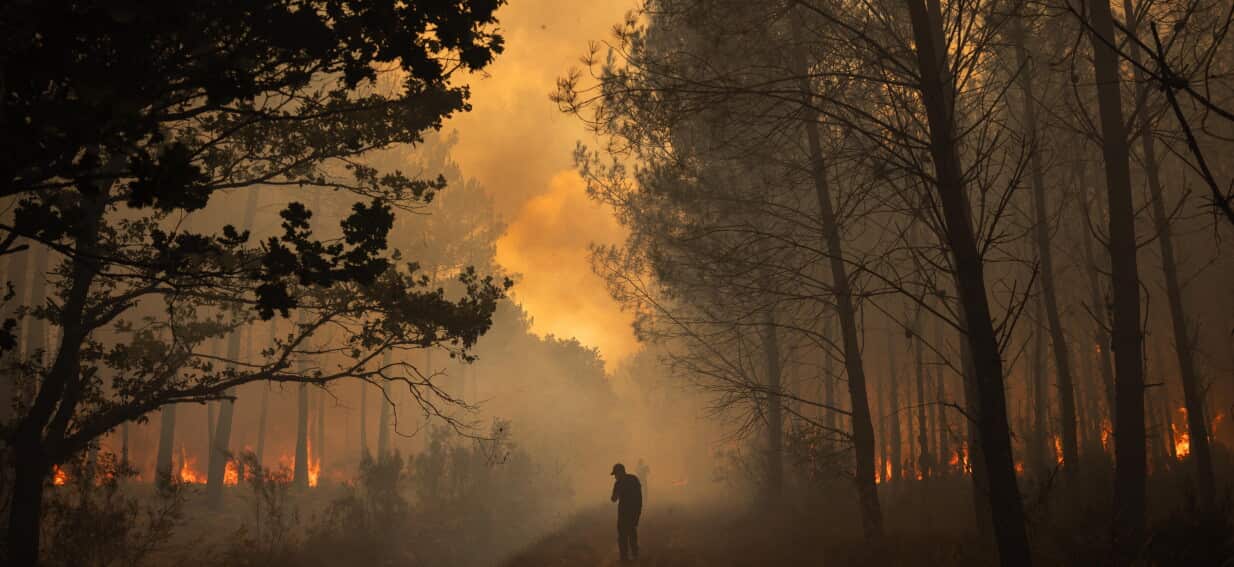
The relentless drumbeat of environmental disasters, from devastating floods to scorching bushfires, is increasingly becoming a grim soundtrack to Australian life. But beyond the immediate physical peril, a new consequence is emerging: the profound psychological toll inflicted by unrelenting and often graphic media coverage.
A recent analysis from The Conversation AU has ignited a conversation about the ethical responsibility of media outlets to protect audiences from the often-brutal imagery and narratives associated with these catastrophic events. The report suggests that the constant barrage of distressing content, particularly through social media and news feeds, makes it impossible for many, especially those directly affected, to escape the 'violence of the bloom' – a metaphor for the pervasive and aggressive nature of these unfolding crises.
The Unseen Casualties of the Screen
The psychological impact of witnessing environmental destruction, even from afar, is increasingly being recognised as 'eco-anxiety' or 'climate grief'. For those living in areas prone to such events, like residents of flood-prone regions in Queensland or bushfire-ravaged communities in New South Wales, the constant visual reminders can be particularly acute. Imagine a family who has just rebuilt after a flood, only to be confronted daily with images of similar devastation elsewhere. The trauma isn't just revisited; it's reinforced.
The Conversation AU highlighted how, for people in South Australia, distressing images of environmental degradation – perhaps of marine life impacted by pollution or drought-stricken landscapes – permeate their digital and traditional media landscapes. This constant exposure can contribute to feelings of helplessness, fear, and even vicarious trauma, eroding mental well-being without clear mechanisms for support or evasion.
Beyond Editorial Judgment: A Call for Caution
Unlike traditional news reporting on sensitive topics, which often employs careful editorial discretion or even on-screen warnings for graphic content, environmental disaster coverage rarely carries such caveats. The report from The Conversation AU argues that this oversight needs urgent rectification. The rationale for content warnings in other contexts – protecting children, vulnerable adults, or those with past trauma – applies equally, if not more so, to the pervasive nature of climate-related catastrophe reporting.
Implementing such warnings wouldn't diminish the importance or urgency of the news. Instead, it would offer audiences a moment of choice, allowing them to prepare themselves mentally or opt out of exposure if they feel overwhelmed. This is not about censorship, but about responsible journalism that prioritises the well-being of its audience alongside its duty to inform.
The Australian Context: A Nation on the Frontline
Australia, undeniably on the frontline of climate change, experiences these events with increasing frequency and intensity. From the devastating Black Summer bushfires of 2019-2020 to the recurring East Coast floods that have caused billions of dollars in damages (the 2022 floods alone are estimated to have cost over $5 billion AUD), the nation's collective trauma is significant. The media plays a crucial role in documenting these events, but this responsibility must evolve to include a greater awareness of the psychological 'aftershocks' of its own reportage.
Considering the ongoing nature of these climate challenges, and the likelihood of more extreme weather events in the future, the conversation around content warnings for environmental disaster coverage is not a fleeting trend but a necessary adaptation for the Australian media landscape. It's time for news organisations to acknowledge the unseen casualties of climate change – not just those directly impacted by physical events, but also those whose mental health is eroded by the unfiltered, continuous stream of distressing images and narratives.