Washington and Tehran have reportedly reached a tentative agreement to de-escalate hostilities following a weekend marred by reciprocal attacks, as reported by BBC World. The decision to “stand down” comes as a cautious relief, preventing an immediate escalation of military engagement in the already volatile Middle East, though the long-term stability of the region remains precarious.
The exchange of strikes saw both the US and Iran accusing each other of breaching an existing, albeit tenuous, ceasefire agreement. Specifics of the alleged breaches and the precise nature of the attacks remain somewhat opaque, but the diplomatic efforts to rein in the conflict indicate the seriousness of the situation felt in both capitals.
Escalation and Accusations
The weekend's sequence of events began with an undisclosed incident, prompting retaliatory actions from one side, which then triggered a counter-response from the other. This dangerous cycle of escalation has been a persistent feature of the relationship between the two long-standing adversaries. According to BBC World, officials from both nations were quick to point fingers, each asserting that the other was the primary aggressor and had violated the terms of the fragile truce previously in place.
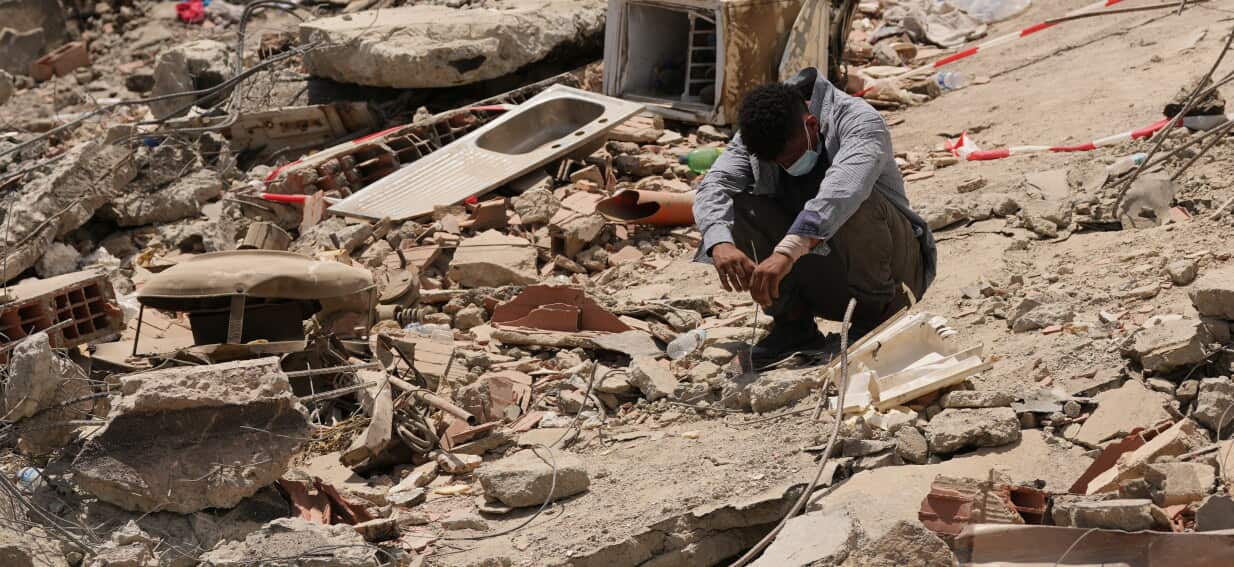
Details regarding the targets of these strikes or any potential casualties remain largely unconfirmed by official sources, maintaining a level of ambiguity that often accompanies such sensitive international incidents. However, the very fact that high-level communications have led to a de-escalation suggests that the incidents were significant enough to warrant urgent diplomatic intervention.
Diplomatic Overtures and Regional Woes
The agreement to step back from the brink was likely a result of intense, albeit largely unpublicised, diplomatic outreach. International observers and various allied nations would have undoubtedly exerted considerable pressure on both Washington and Tehran to avoid a full-blown military confrontation that could have catastrophic consequences for global energy markets and regional stability. The economic ramifications alone, felt as far as Australia with potential impacts on petrol prices for households and businesses, would be profound.
The Middle East is already grappling with numerous complex conflicts and humanitarian crises. A direct military conflict between the US and Iran would undoubtedly exacerbate these existing challenges, leading to widespread displacement, increased civilian casualties, and further destabilisation of an already fractured geopolitical landscape. Australia, like many other nations, has consistently called for restraint and peaceful resolution in addressing tensions in the region.
A Fragile Peace
While the immediate crisis appears to have been averted, the agreement to “stand down” does not signify a resolution of the underlying tensions between the United States and Iran. It merely represents a temporary pause in hostilities, a chance for both sides to regroup and reassess their strategies. The mutual distrust, ideological differences, and proxy conflicts that fuel their animosity remain largely unaddressed.
Experts suggest that the path forward will require sustained diplomatic efforts, potentially involving third-party mediators, to establish more robust de-escalation mechanisms and address the core grievances. Without such efforts, the region, and indeed the world, remains susceptible to future flare-ups, with each incident carrying the inherent risk of spiralling into a much larger and more devastating conflict. The international community, including Australia, will be watching closely as these delicate dynamics continue to unfold.