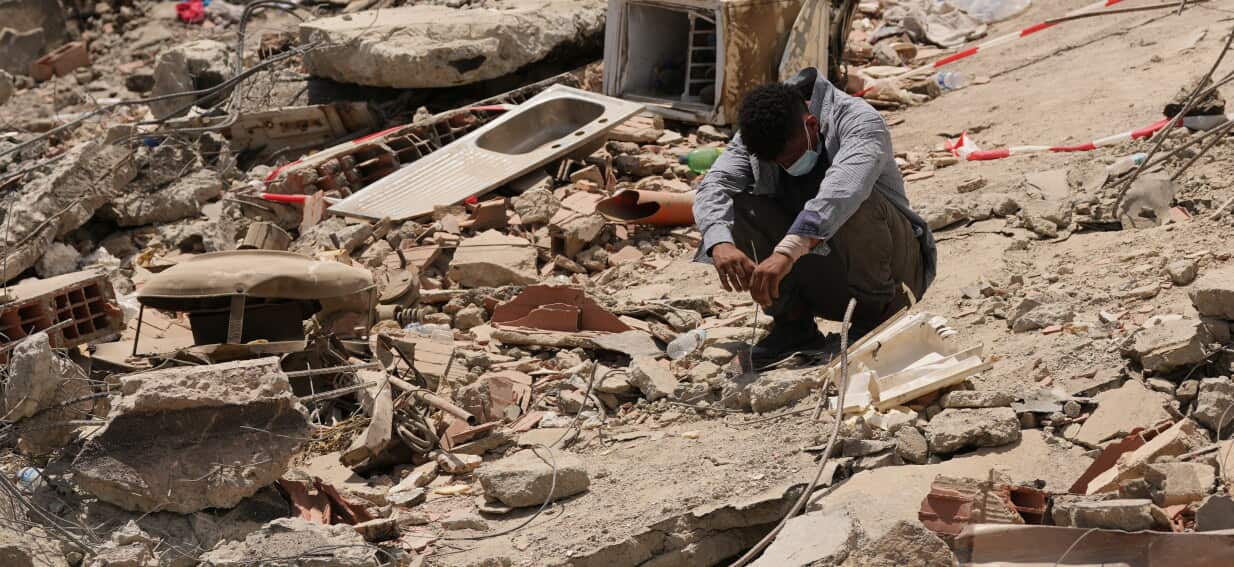
Caracas, Venezuela – A wave of public outrage is sweeping across Venezuela as citizens express profound dissatisfaction with the government's perceived anemic efforts to rescue survivors following a recent, devastating natural disaster. With each passing hour, the desperate hope of finding more people alive under the debris dwindles, intensifying the pressure on authorities.
The full extent of the calamity remains unclear, but reports from affected regions paint a grim picture of destruction and loss. Rescue operations, hampered by logistical challenges and what many onlookers describe as a lack of coordinated effort, are struggling to keep pace with the urgent need for assistance. Al Jazeera reported a growing sense of frustration among local communities, who feel abandoned and underserved in their hour of greatest need.
Community Organises Amidst Chaos
In the absence of a robust official response, ordinary Venezuelans have begun to mobilise, demonstrating remarkable resilience and solidarity. Volunteer groups, often comprising neighbours and local residents, are leading the charge in many areas, using improvised tools and sheer determination to sift through the rubble. Their efforts, while heroic, underscore the alarming gaps in government-led disaster relief. Eyewitness accounts speak of individuals digging with their bare hands, driven by the knowledge that every minute could mean the difference between life and death for those trapped beneath the debris.
Local charities and community organisations are attempting to coordinate the distribution of aid, but resources are stretched thin. Food, water, medical supplies, and shelter are all in critically short supply, exacerbating the suffering of those already displaced or injured. The spontaneous outpouring of support from ordinary citizens, however, offers a glimmer of hope amidst the despair, showcasing the deep-seated community spirit that endures even in the darkest of times.
Economic Woes Compound the Crisis
The current emergency has laid bare the deep-seated economic vulnerabilities plaguing Venezuela. Years of hyperinflation, political instability, and international sanctions have left the nation's infrastructure in a precarious state and its public services severely underfunded. This pre-existing fragility has significantly hampered the ability of the state to mount an effective disaster response.
Even basic necessities are often difficult to obtain for many Venezuelans, making the task of recovery even more daunting. The cost of rebuilding will undoubtedly be astronomical, with preliminary estimates suggesting figures easily running into hundreds of millions of Australian dollars. Such an undertaking presents an almost insurmountable challenge for a country already grappling with a protracted economic crisis, raising serious questions about the long-term prospects for recovery and rehabilitation in the devastated areas.
Calls for Accountability Grow Louder
As the search for survivors continues to lose momentum, the chorus of voices demanding accountability from the government grows louder. Citizens and some opposition figures are questioning the preparedness of state institutions and the speed with which emergency protocols were activated. There is a widespread perception that the government's communication strategy has been inadequate, leaving many in affected regions feeling uninformed and ignored.
The disaster has become a potent symbol of broader societal grievances, with many seeing the bungled response as indicative of deeper systemic issues. The coming days and weeks will be crucial in determining the full human and political cost of this catastrophe. As hope for finding those still alive dwindles, the focus will inevitably shift towards securing aid for the displaced, rebuilding shattered communities, and addressing the profound anger and frustration that now simmers across Venezuela.