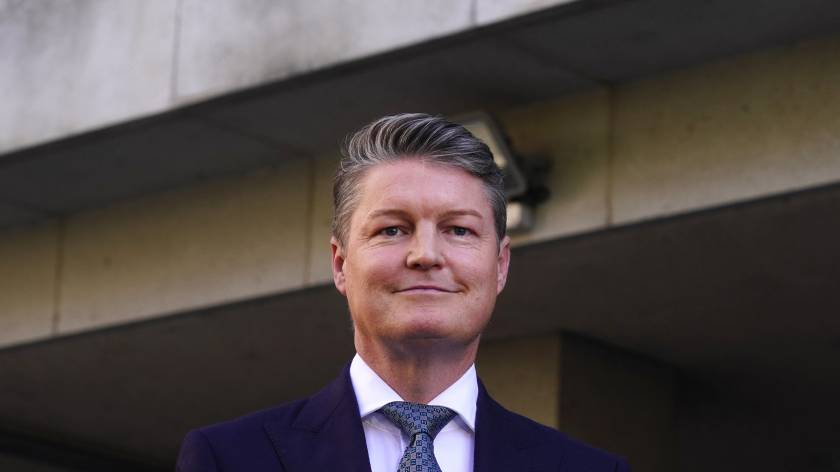
Victoria is poised for a significant political recalibration with the ascension of Ben Carroll to the premiership, a move political commentators suggest heralds the twilight of the state’s progressive Labor government. Carroll, often characterised as a centrist, takes the reins at a time when the Labor party grapples with the ghosts of past controversies and a public yearning for steady leadership.
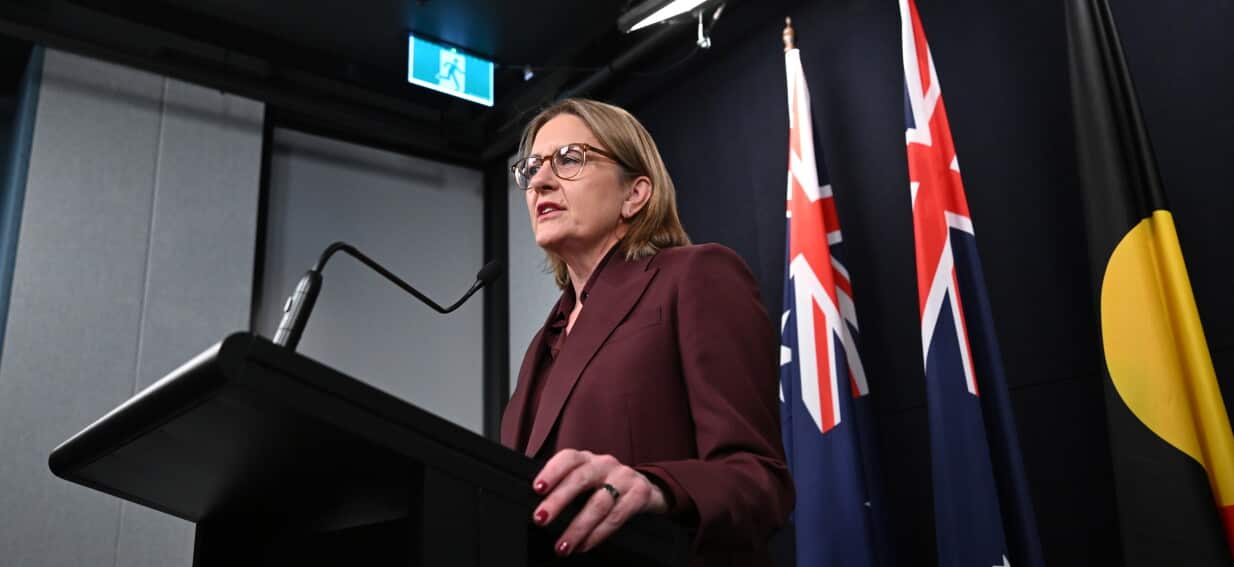
The departure of Jacinta Allan, mired in over a decade of scandals, has paved the way for a new direction. While Allan's stepping down was deemed a necessary measure to clear the air, the appointment of Carroll represents a conscious pivot towards a more moderate political landscape, potentially at the expense of the progressive agenda that has defined Victorian Labor for years.
The Centrist Reset: A New Chapter for Labor
Ben Carroll's ascendancy to the top job marks a clear strategic shift within the Victorian Labor Party. Described by some political analysts, including those at Crikey, as a 'centrist' or even a 'bland man,' his appeal lies in his perceived stability and pragmatic approach. This stands in stark contrast to the often-polarising progressive policies that have, at times, drawn both fervent support and fierce criticism. The hope within Labor ranks is that Carroll's more moderate image can help mend divisions, restore public trust, and navigate the state through an increasingly complex economic and social environment.
His appointment signals an attempt to broaden Labor's appeal beyond its traditional progressive base, perhaps aiming to reclaim ground with a broader swath of the Victorian electorate. This recalibration is not without its risks, however, as it could alienate parts of the party's progressive core and potentially lead to internal dissent regarding the future ideological direction of Victorian Labor.
Decades of Disquiet: Allan's Legacy of Scrutiny
Jacinta Allan's premiership was increasingly overshadowed by a growing catalogue of controversies and ethical questions. While the specific details of these alleged scandals were not elaborated upon by Crikey, the cumulative effect undeniably eroded public confidence and placed immense pressure on her leadership. The perception of a government mired in ongoing issues made a change at the top almost inevitable. Her decision to stand down, therefore, was not merely a personal choice but a political imperative, recognised by both her party and astute observers of Victorian politics.
This long shadow of scrutiny necessitated a clean break, and Carroll’s relatively unblemished public profile is seen as a key asset in turning the page. The challenge for him will be to effectively distance his administration from past perceived indiscretions while maintaining continuity in essential government functions.
The Progressive Sunset: What’s Next for Victoria?
The central question posed by Crikey is whether the ‘bland man’ can indeed save Victoria, and perhaps more profoundly, whether this rescue comes at the cost of the state's progressive identity. For years, Victorian Labor has been seen as a vanguard of progressive policy, pushing boundaries on social issues, environmental initiatives, and public infrastructure projects. With Carroll at the helm, there's an expectation that this trajectory may moderate significantly.
The shift could manifest in various policy areas, from a more cautious approach to environmental regulations to a re-evaluation of social reforms. This doesn't necessarily imply a wholesale dismantling of previous policies but rather a tempering of new progressive ambitions and a greater emphasis on fiscal prudence and core services. For many Victorians, particularly those who championed the progressive agenda, this change in leadership represents a significant moment of reflection on the state's future political and social landscape. The real test will be how Carroll balances the need for stability and economic pragmatism with the enduring expectations of a diverse and often politically engaged electorate.