Serbian voters have turned out in historic numbers across the Balkan nation, delivering an unprecedented electoral challenge to President Aleksandar Vucic’s entrenched populist government through a surging youth-led political coalition.
Generational shift tests populist stronghold
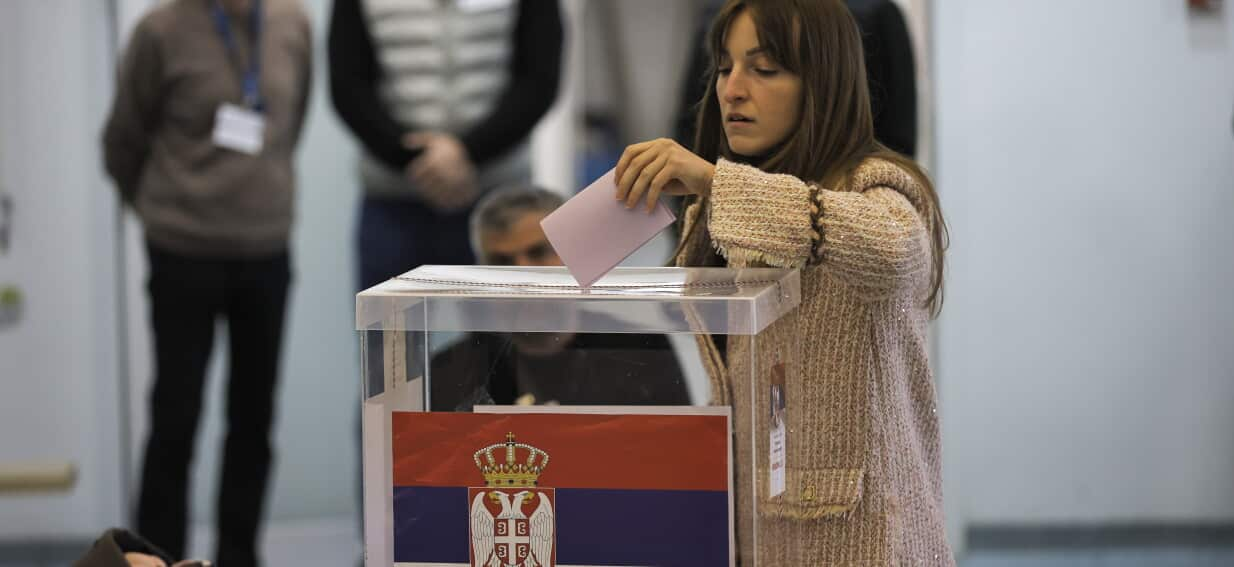
Long queues snaked outside polling centres in Belgrade and regional hubs on Sunday, as the high-stakes parliamentary vote prompted record participation figures. SBS News Top Stories reported that the ruling populist bloc, led by Mr Vucic, encountered an unexpectedly fierce campaign mounted by the newly mobilised Student's List, which has capitalised on widespread public exhaustion with the political status quo.
For more than a decade, Mr Vucic has exercised tight control over Serbian politics, maintaining stability through a mix of nationalist rhetoric, economic patronage, and a dominant media presence. Yet, political observers suggest the rapid emergence of a student-driven ticket has dismantled conventional voting patterns, galvanising younger demographics who were previously disengaged from the ballot box.
Polling stations face unprecedented surge
Election monitors noted extraordinary morning turnout across major metropolitan areas, where university campuses and urban neighbourhoods formed the nucleus of the anti-establishment push. SBS News Top Stories reported that voting centres struggled to keep pace with the influx of citizens eager to register their ballots before closing hours.
The Student's List originated from grassroots rallies that swept Serbian cities over the past year, sparked by civic discontent over institutional stagnation, alleged state corruption, and media monopolisation. Rather than aligning with established opposition factions, student organisers structured their campaign around transparency, democratic reform, and institutional accountability.
Independent monitoring teams indicated that participation had comfortably exceeded benchmarks set in recent general elections, signalling that the contest could compel the government into unchartered parliamentary territory. While Mr Vucic’s loyal rural base remained disciplined, urban turnouts indicated an electorate deeply polarised along generational lines.
High stakes for Balkan stability and Europe
The election carries profound ramifications for the broader Western Balkans, where Belgrade remains the pivotal geopolitical fulcrum. Serbia has long walked a delicate diplomatic tightrope, balancing formal accession negotiations with the European Union against enduring historical ties with Moscow and Beijing.
Diplomats in Brussels and Washington are observing the ballot closely, wary of potential post-election volatility should the margins prove razor-thin. International observers have previously voiced concerns regarding the equitability of the electoral process, citing uneven media access during the official campaign and public-sector pressure on employees to support the governing party.
Regardless of the final tallies certified by electoral commissioners in the coming days, the surge of student-driven opposition signals a definitive rupture in Serbia’s predictable political landscape. The willingness of hundreds of thousands of young voters to challenge an entrenched regime demonstrates that Belgrade's political future can no longer be dictated solely from the presidential palace.