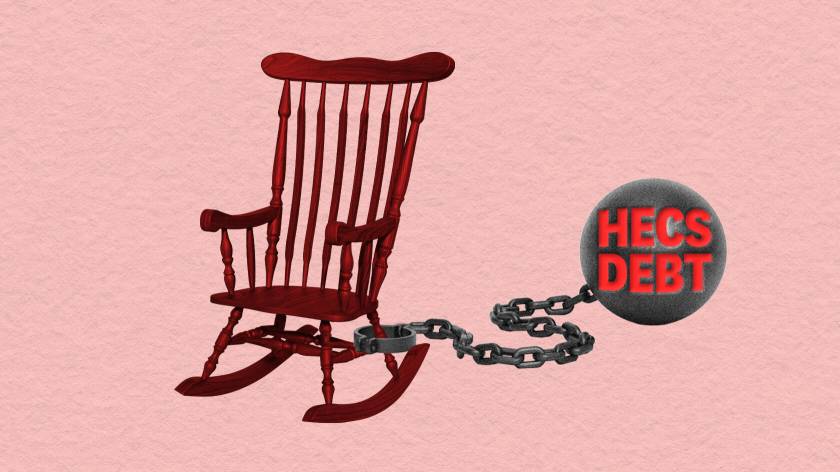
A quiet but concerning financial shift is taking hold across Australia: a new generation of retirees is entering their golden years with the unexpected burden of HECS/HELP student loan debt still hanging over their heads. This emerging trend, highlighted by recent analysis from Crikey, signals a significant departure from previous generations and portends a future where post-education debt could become a lifelong companion for many.
The days of student loans being swiftly repaid post-graduation are fading for an increasing cohort. With higher course fees, often exceeding tens of thousands of dollars, coupled with an indexing system that links repayments to inflation, the average HECS/HELP debt is growing faster than many can pay it down. This financial squeeze means that for some, the debt outlives their working life, extending into a period traditionally associated with financial freedom and stability.
The Lingering Legacy of Lifelong Learning
For many, pursuing higher education later in life, perhaps to reskill or advance a career, means taking on HECS/HELP debt closer to retirement age. While the benefits of education are undeniable, the repayment schedule often extends well into their twilight years. Unlike other debts that might be cleared through asset sales upon retirement, HECS/HELP debt remains, directly impacting pension entitlements and disposable income. Crikey reported that this phenomenon is particularly acute for those who returned to university in their 40s or 50s, leaving them with insufficient working years to fully repay the loan before leaving the workforce.
This isn't merely an inconvenience; it represents a tangible reduction in living standards for retirees. Every dollar diverted to HECS/HELP repayments is a dollar less for healthcare, recreation, or simply coping with the rising cost of living. The dream of a comfortable retirement, free from financial anxieties, is being eroded by the persistent shadow of student debt.
The Compounding Effect of Indexation
A critical factor exacerbating this issue is the indexation of HECS/HELP debts. Rather than a fixed interest rate, outstanding balances are adjusted annually in line with the Consumer Price Index (CPI). While historically this was often a modest adjustment, recent periods of higher inflation have led to substantial increases. For instance, in 2023, debts were indexed by 7.1 per cent, adding thousands of dollars to outstanding balances for many and effectively cancelling out a year's worth of repayments for some. Crikey's analysis underscores how this mechanism can make significant inroads into an individual's efforts to reduce their debt, especially for those on lower incomes or part-time work.
This inflationary pressure means that unless repayments significantly outpace the indexation rate, the principal balance can actually grow, creating a treadmill effect where borrowers struggle just to keep up. For retirees on fixed incomes, this becomes an even more precarious situation, transforming what was intended as an investment in human capital into a persistent drain on their retirement savings.
A Future Burden for the Next Cohort
The current situation is merely a harbinger of what's to come. With university course fees showing no signs of significant reduction and inflation remaining a persistent concern, the magnitude of HECS/HELP debt for future graduates is only set to increase. Crikey predicts that a larger proportion of young Australians entering university today will face the distinct possibility of carrying their student debt into retirement.
The long-term implications are profound. It raises questions about intergenerational equity, the accessibility of higher education, and the very structure of Australia's social safety net for seniors. As more individuals navigate retirement with this financial overhang, there will be increasing pressure on policymakers to re-evaluate the HECS/HELP system and consider reforms that ensure education remains an accessible pathway to opportunity, not a lifelong financial liability.
Economic Strain on Retirement Incomes
The presence of HECS/HELP debt directly impacts a retiree's financial wellbeing, particularly those reliant on government pensions. While HECS/HELP repayments are typically deducted from taxable income, any remaining debt can be considered a liability when assessing assets for pension eligibility in certain circumstances, though the direct impact on the Aged Pension is often less severe than other assets or income. However, the psychological burden and the reduction in disposable income are undeniable. It forces retirees to make difficult choices, potentially sacrificing essentials or foregoing opportunities for leisure and social engagement – aspects crucial for a healthy and fulfilling retirement.
This shift challenges the traditional narrative of retirement as a period of financial ease earned through a lifetime of work. Instead, for a growing number, it is becoming a continuation of financial management, with the specter of student loans demanding attention long after the textbooks have been put away. The nation faces a growing imperative to address this issue before it becomes a systemic crisis for an entire generation of Australian seniors.