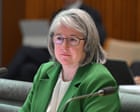
Queensland’s newly appointed domestic violence minister, Amanda Stoker, is facing immediate scrutiny following the resurfacing of past commentary warning the public against “blindly” accepting allegations of violence made by women.
Ms Stoker, a former federal Liberal senator who recently secured election to the Queensland parliament, was elevated to the domestic and family violence prevention portfolio over the weekend as the Liberal National Party formed government under Premier David Crisafulli.
Her appointment swiftly drew apprehension across the frontline sector, reigniting scrutiny over her past public positions on criminal justice, the presumption of innocence, and the handling of gendered violence.
Past commentary on evidence and due process
The controversy stems from an opinion piece penned by Ms Stoker in 2023, as reported by The Guardian Australia. In the article, the former barrister cautioned against a cultural push to unquestioningly validate complaints, arguing that failing to rigorously examine evidentiary claims posed a significant threat to due process.
Ms Stoker asserted that modern expectations to believe complainants "rather than carefully assess relevant evidence" risked inflicting irreparable harm on innocent defendants. She maintained that upholding the burden of proof remained paramount to preserving legal fairness, warning that the automatic acceptance of allegations compromised the integrity of the judicial system.
The former senator’s writings frequently focused on high-profile legal matters and public discourse surrounding historical assault claims, where she consistently warned that public sentiment was eclipsing fundamental legal protections.
Sector unease over frontline leadership
The resurfacing of those remarks has alarmed domestic violence advocates and community service providers, who argue that such rhetoric risks undermining decades of progress in encouraging victim-survivors to come forward.
Frontline organisations have long stressed that under-reporting remains one of the most persistent hurdles in combating domestic and sexual violence. Sector representatives noted that scepticism from senior decision-makers could deter traumatised individuals from seeking police intervention or accessing emergency support services, particularly in a state grappling with acute rates of family harm.
Advocacy groups pointed out that independent research consistently indicates false allegations are statistically rare, whereas thousands of victims never report abuse due to pervasive fear of disbelief and retribution. While legal safeguards remain a pillar of Australian jurisprudence, community workers contend that a prevention minister must primarily champion the safety of vulnerable women and children rather than cast doubt on the veracity of reports.
High stakes for the incoming executive
Ms Stoker’s transition from federal politics to a state ministerial post places her at the heart of Queensland’s volatile law-and-order landscape. Having served as an assistant minister to the federal attorney-general during the Morrison government, she built a reputation as a conservative traditionalist with an unyielding commitment to strict statutory interpretation.
Her installation in the prevention portfolio arrives as Premier Crisafulli seeks to balance an uncompromising tough-on-crime agenda with urgent calls to overhaul Queensland’s domestic violence response frameworks.
Recent independent reviews across the state have urged systemic reform, highlighting structural shortcomings in how the justice system treats domestic abuse. For Ms Stoker, the coming months will test whether her legalistic approach to justice can coexist with the delicate, high-empathy demands of a crisis-laden social portfolio.