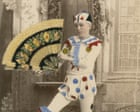
Long before modern trick-or-treaters took to suburban footpaths in store-bought nylon, colonial Adelaide’s elite youth marked festive occasions with an astonishing display of lavish, bespoke sartorial extravagance.
As parents across Australia grapple each October with crêpe paper, coat hangers and last-minute improvisation, an exquisite photographic record from 1887 provides a striking reminder that children’s costuming was once a profoundly serious—and expensive—undertaking.
A grand colonial spectacle at Adelaide Town Hall
Nearly 140 years ago, hundreds of children drawn from South Australia's upper crust gathered at the Adelaide Town Hall for a grand fancy-dress ball hosted by the lord mayoress. Far from being cobbled together from household offcuts, the outfits worn to the prestigious civic gathering were meticulously commissioned from professional costumiers and tailors.
The assembly of juvenile revellers represented a dazzling showcase of colonial wealth and social posturing, reflecting an era when society balls served as vital public arenas for families to display status and lineage.
Archival treasures preserved in cabinet cards
The remarkable standard of costuming has come to light via an extensive photographic collection preserved at the State Library of South Australia, The Guardian Australia reported. Found stored inside a custom-made, heritage-green archive box, the collection comprises more than 300 individual "cabinet cards"—stiff-backed photographic prints that were ubiquitous in late-Victorian portrait studios.
The portraits were unearthed during research for an upcoming historical book examining folklore and supernatural narratives, titled Spooky Ladies. Instead of standard domestic portraits, researchers encountered a meticulously curated photographic inventory of juvenile fantasy, captured with extraordinary clarity and high-contrast studio lighting.
Witches, devils and astrological grandeur
The variety of characters depicted across the hundreds of photographic plates mirrors both the Victorian fascination with folklore and the exotic tropes of 19th-century stage entertainment. Children posed solemnly as witches, devils, fairies, fortune tellers, and celestial astrologers.
Unlike the humorous or intentionally macabre disguises familiar to modern observers, these colonial interpretations leaned heavily on operatic grandeur. Witches were dressed in intricate velvet skirts adorned with astrological symbols; devils sported tailored satins and sculpted horns; while fairies were swathed in delicate layers of tulle and silk, often accompanied by elaborate wands and gilded tiaras. The level of tailoring echoed the stage productions of London's West End, translated into miniature proportions for colonial socialites.
Enduring lessons in artisanal craft
For contemporary spectators inundated with plastic masks and mass-manufactured polyester, the South Australian archive provides an enduring masterclass in historical craftsmanship. The portraits capture a transitional moment in Australian cultural history, when the rigidity of Victorian etiquette temporarily gave way to imaginative theatricality—provided it was executed with the utmost decorum and wealth.
The century-old cabinet cards remain an invaluable cultural record, preserving not only the faces of colonial youth, but an artisanal approach to fancy dress that has long since vanished from Australian ballrooms.