A landmark public inquiry into the $368 billion AUKUS pact has urged its immediate termination, labelling the nuclear-powered submarine deal the worst, riskiest and most costly defence decision in Australia’s history.
The findings, detailed in a report reported by The Guardian Australia, recommend the immediate suspension of the tripartite agreement with the United Kingdom and the United States, alongside a full royal commission into the secretive negotiations that led to its inception under the Morrison government.
Damning assessment from former military and political figures
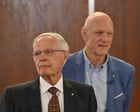
The inquiry was spearheaded by retired Admiral Chris Barrie, who served as chief of the defence force between 1998 and 2002, alongside former federal Labor minister and Midnight Oil frontman Peter Garrett.
Dominated by prominent national critics of the deal, the panel offered an uncompromising critique of the decision to acquire conventionally armed, nuclear-powered attack submarines. According to the inquiry’s report, the project represents an unprecedented fiscal burden and strategic vulnerability for the Commonwealth, locking the nation into long-term strategic dependence on foreign powers while exacerbating regional tensions.
Calls to halt infrastructure and launch royal commission
Among its central recommendations, the panel urged the federal government to freeze all preparations for future nuclear submarine support facilities, including contentious proposals for a dedicated east-coast naval base.
The inquiry argued that an independent royal commission is essential to examine the strategic calculus and governance failures that led to the abrupt tearing up of the previous French conventional submarine contract in 2021. Reviewers maintained that the public interest had been compromised by the lack of parliamentary oversight and transparency surrounding the initial bilateral and trilateral arrangements.
Escalating fiscal anxiety over $368bn program
With an estimated price tag scaling up to $368 billion across the life of the enterprise, the procurement stands as the single most expensive defence endeavour in the Commonwealth's history.
Under the existing pathway, Australia intends to acquire at least three American Virginia-class boats in the early 2030s before collaborating on the design and domestic build of the SSN-AUKUS class in Adelaide. However, critics within the inquiry pointed to mounting supply chain bottlenecks in American shipyards, sovereign operational risks, and the diversion of tens of billions of public dollars away from social spending and pressing conventional military capabilities.
Canberra stands firm amid growing internal pushback
The Albanese government has continued to defend the strategic necessity of AUKUS, viewing the nuclear-propelled fleet as essential for deterring coercion and projecting maritime capability across vast Indo-Pacific waters.
Yet, the inquiry's aggressive pushback highlights a persistent and widening fracture within Australia's foreign policy establishment. While both major parties remain officially committed to the trilateral framework, vocal opposition from elder statesmen, strategic analysts, and civil society underscores ongoing disquiet about Australia’s strategic sovereignty, domestic industry readiness, and the long-term viability of the nation's defence trajectory.